
Introduction
SEO, or search engine optimization, is the technique of optimizing your website to improve its visibility and ranking in search engine results pages (SERPs) without paying for a post. SEO helps your website appear in organic (unpaid) search results by making it more suitable and beneficial to search engine algorithms when users type keywords into search engines like Google, Bing, or Yahoo. The purpose is to rank as high as possible on the first page of search results, as higher rankings usually lead to more website traffic, credibility, and potential customers.
SEO applies different strategies, including keyword optimization, creating quality content, improving site structure, using proper title tags and meta descriptions, and earning backlinks from other reputable websites. Unlike paid advertising, where you pay for each click, SEO focuses on earning traffic organically through relevance and quality, making it a long-term investment in your online presence.
Why Is SEO Important?
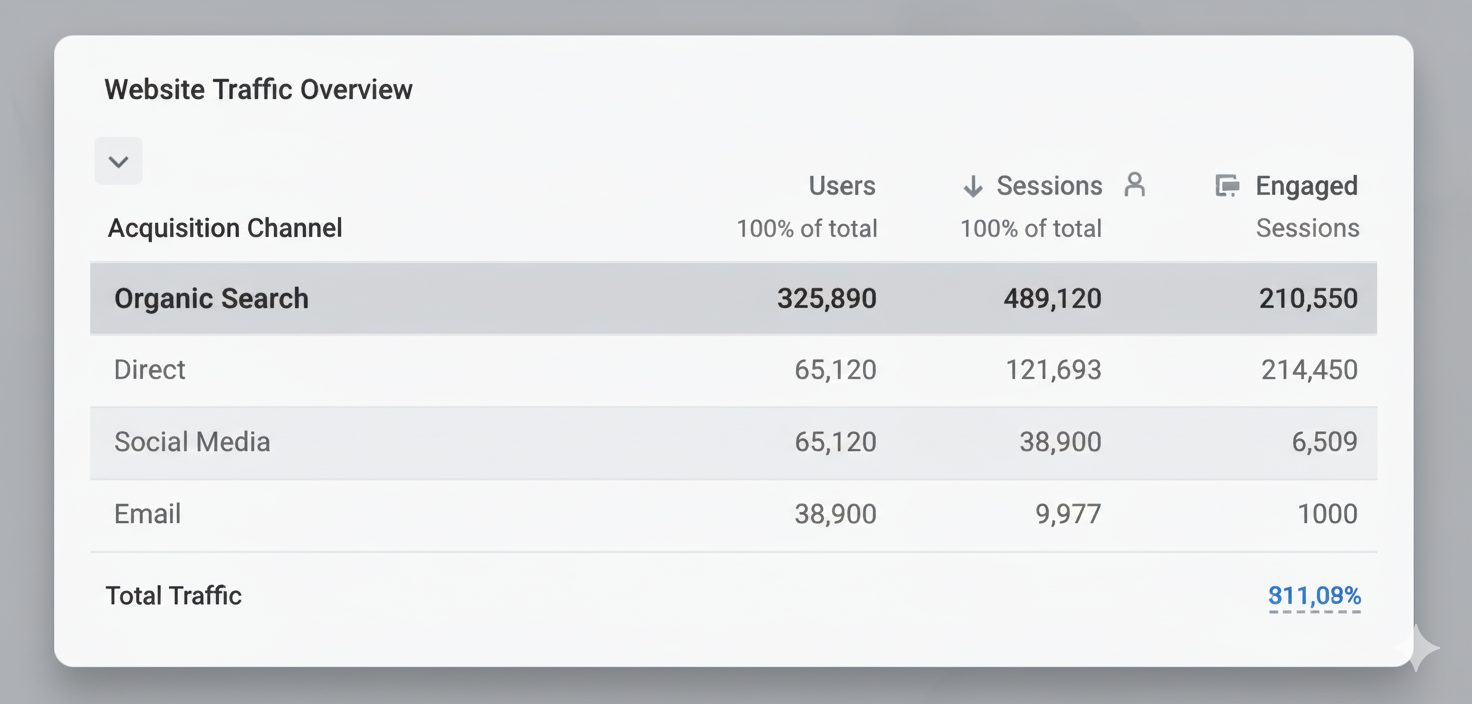
SEO is essential to business success as over 90% of online experiences begin with a search engine, resulting in approximately 3.5 billion day-to-day searches on Google alone. Organic search offers many attractive benefits that make it important for sustainable online growth.
Building authority and credibility: Organic search results help your website earn authority and trust among both search engines and users. Users usually view organic results as more reliable than paid ads, which can have a significant effect on their decision to engage with your content.
Cost-effectiveness and long-term ROI: Unlike paid advertising, where you pay for each visitor, SEO doesn’t cost anything per click. Although it requires upfront effort and constant maintenance, SEO delivers impressive returns on investment that grow over time. Once you gain high rankings, you continue to attract constant traffic without paying extra, making it more cost-effective in the long run.
Attracting relevant users: SEO helps you reach users who are actively searching for products, services, or information connected to your business. This targeted approach ensures that you’re connecting with people who genuinely have an interest in what you offer, resulting in higher-quality traffic and improved conversion potential.
Supporting other marketing channels: A strong SEO foundation supports your entire digital marketing strategy, including social media, email marketing, video content, and paid ad campaigns. Keyword insights and user behavior data earned from SEO efforts can inform and improve all your other marketing efforts.
Organic vs. Paid Results
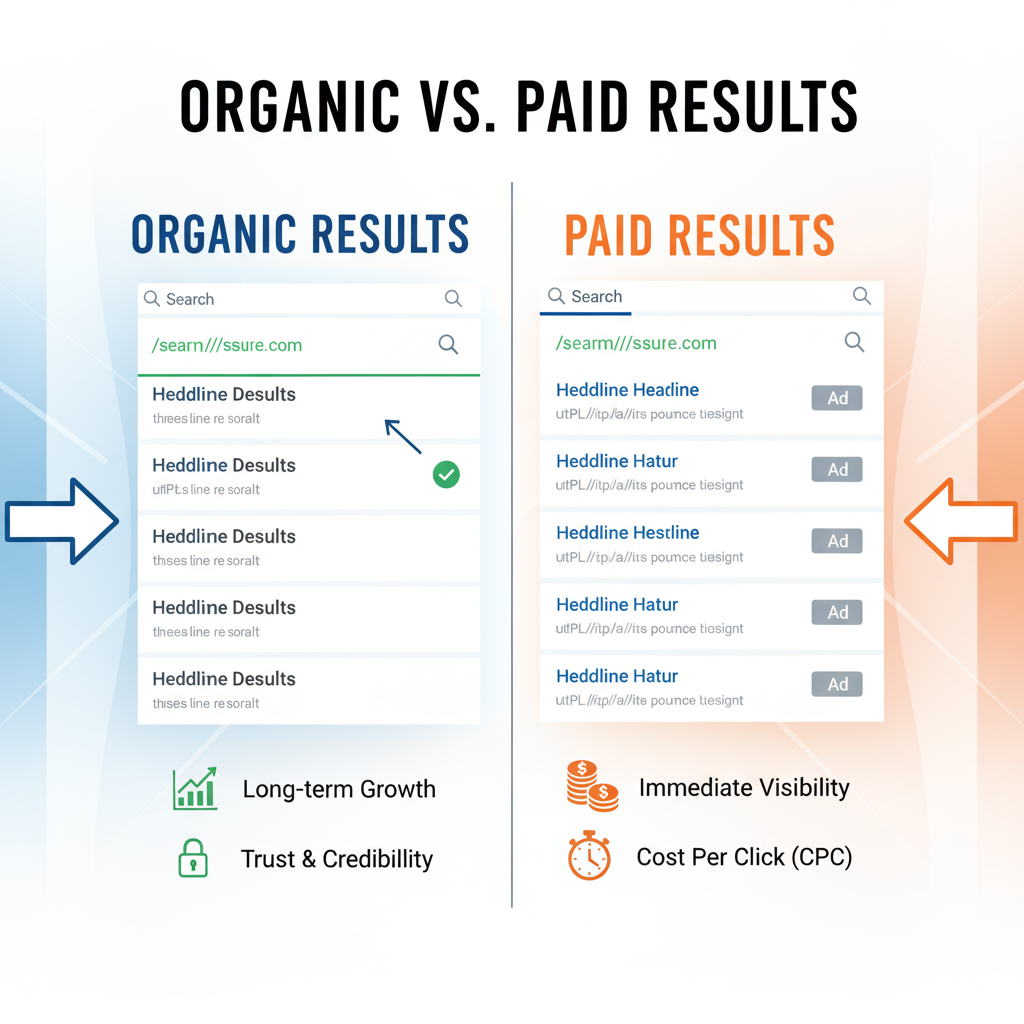
Understanding the difference between organic and paid search results is fundamental to developing an effective digital marketing strategy. The primary distinction is simple: organic search focuses on unpaid rankings achieved through SEO, while paid search involves paying for prominent ad placements in search results.
Positioning and Appearance
Paid search results always appear at the top and sometimes at the bottom of search engine results pages, marked with an “Ad” label. These ads typically feature shorter headlines and body copy designed for quick impact. Organic search results appear in the middle section of the page, below the paid ads, and generally have longer headlines and more detailed descriptions.
Cost Structure
Organic search is free in terms of clicks—you don’t pay when users click on your organic listings. However, it requires investment in SEO expertise, content creation, and ongoing optimization efforts. Paid search operates on a pay-per-click (PPC) model where advertisers pay each time someone clicks their ad, with costs varying based on keyword competition and bid amounts.
Speed and Timing
Paid search delivers instant results, with ads going live within 15 minutes to half an hour once campaigns are activated. Organic search is a longer-term process, typically taking anywhere from two weeks to several months (often 3-6 months) to achieve meaningful rankings.
Longevity of Results
Organic search provides long-lasting results that persist over time once rankings are established. Your visibility continues even if you pause active optimization efforts, though maintaining rankings requires ongoing updates. Paid search results are temporary—traffic stops immediately when you stop paying for ads, making it suitable for short-term campaigns and promotions.
Trust and Click-Through Rates
While paid search may initially receive more clicks due to prominent positioning, organic results are generally more trusted by users. Organic search results typically receive higher overall click-through rates and are preferred by customers, with many users scrolling past ads to find organic listings they perceive as more credible.
Best Use Cases
Use paid search when you need immediate results, want to target specific audiences, have limited-time offers, or need priority ranking quickly. Choose organic search when you need consistent long-term results, want to establish website authority, aim to increase overall website value, and can invest time in sustainable growth. Most successful digital marketing strategies incorporate both approaches to maximize online presence and effectiveness.
How Search Engines Work
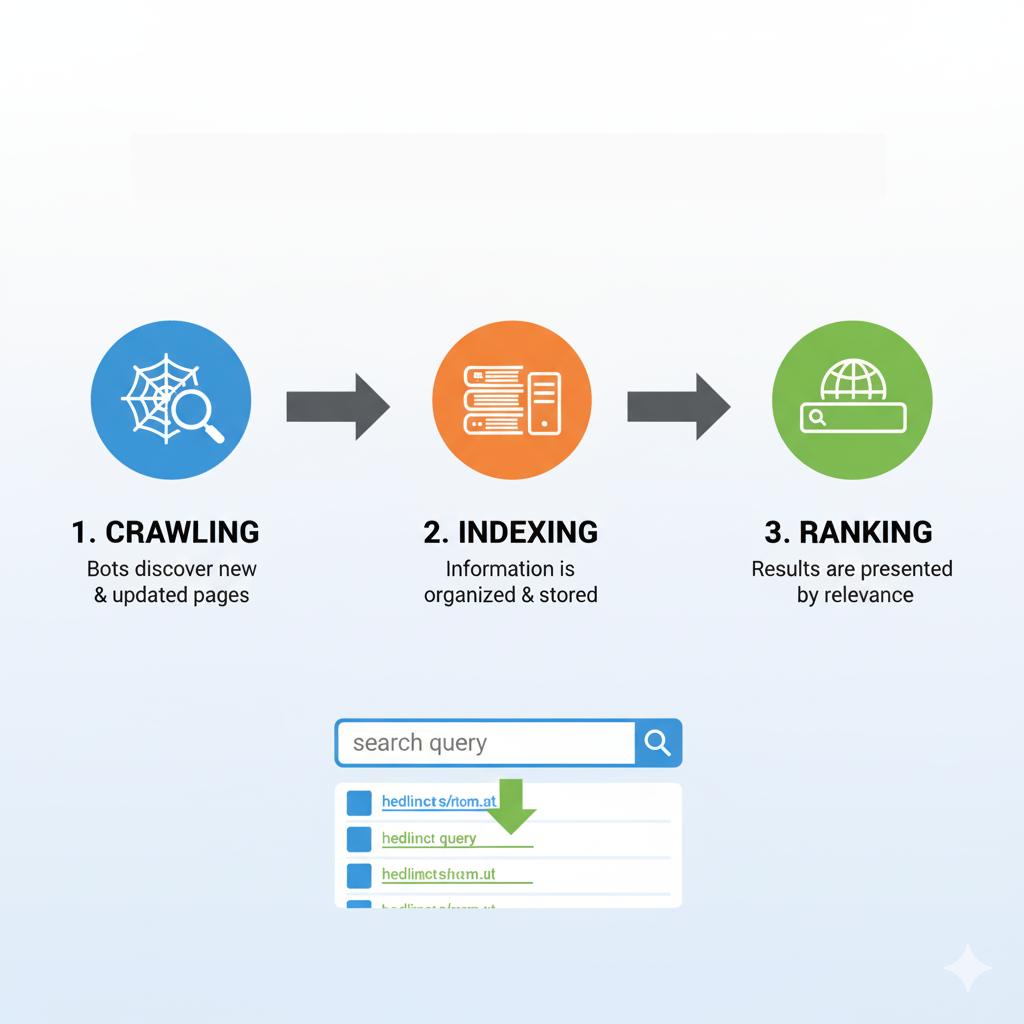
Search engines like Google, Bing, and Yahoo operate through sophisticated algorithms designed to deliver the most relevant and valuable results to users’ search queries. The process involves three fundamental stages: crawling, indexing, and ranking.
Crawling: Search engines use automated programs called “crawlers” or “spiders” that continuously browse the internet, discovering new and updated web pages. These crawlers follow links from one page to another, systematically exploring the vast web of interconnected content.
Indexing: Once pages are discovered, search engines analyze and store information about them in massive databases called indexes. During indexing, the search engine examines page content, images, videos, keywords, meta descriptions, title tags, URL structure, and other elements to understand what each page is about.
Ranking: When a user performs a search, the search engine’s algorithm quickly scans its index to find the most relevant pages. The algorithm considers hundreds of ranking factors to determine which pages should appear in the results and in what order. These factors include content quality and relevance, keyword usage and placement, site structure and user experience, page loading speed, mobile-friendliness, backlinks from other reputable sites, domain authority, and user engagement metrics.
The algorithm continuously evolves to provide better results, which is why SEO requires ongoing optimization and adaptation. Pages that best match the search intent, provide high-quality content, and offer excellent user experience are rewarded with higher rankings in the organic search results.
Types of SEO
SEO encompasses several specialized areas that work together to improve your website’s visibility and performance in search results. Understanding these different types helps you develop a comprehensive optimization strategy.
On-Page SEO
On-page SEO focuses on optimizing individual web pages to rank higher and earn more relevant traffic. This includes optimizing content quality and relevance, using target keywords naturally throughout the content, crafting compelling title tags and meta descriptions, structuring content with proper header tags (H1, H2, H3), optimizing images with descriptive alt text, creating user-friendly URL structures, improving internal linking between pages, and ensuring fast page loading speeds.
Off-Page SEO
Off-page SEO involves activities performed outside your website to improve its authority and rankings. The primary focus is earning high-quality backlinks from reputable websites, which signal to search engines that your content is valuable and trustworthy. Other off-page activities include social media marketing, guest blogging on industry websites, influencer outreach and collaborations, brand mentions across the web, and online reputation management.
Technical SEO
Technical SEO addresses the backend elements and technical aspects of your website that affect how search engines crawl and index your pages. This includes improving site speed and performance, ensuring mobile responsiveness and mobile-first design, creating and submitting XML sitemaps, optimizing robots.txt files, implementing structured data markup (schema), fixing broken links and crawl errors, securing your site with HTTPS, and improving site architecture and navigation.
Local SEO
Local SEO optimizes your online presence to attract customers from local searches, particularly important for businesses with physical locations or serving specific geographic areas. Strategies include optimizing Google Business Profile listings, ensuring consistent NAP (Name, Address, Phone) information across directories, earning local citations and reviews, creating location-specific content, and targeting location-based keywords.
Content SEO
Content SEO focuses on creating, optimizing, and promoting valuable content that answers user queries and satisfies search intent. This involves conducting keyword research, creating comprehensive and engaging content, updating existing content regularly, ensuring content is properly formatted and scannable, and developing content that naturally attracts backlinks and social shares.
How to Start Growing Your Website with SEO
Beginning your SEO journey requires a systematic approach that combines strategic planning with consistent execution. Here’s a practical roadmap to launch your SEO efforts effectively.
Conduct Comprehensive Keyword Research
Start by identifying the keywords and phrases your target audience uses when searching for products, services, or information related to your business. Use keyword research tools to discover relevant keywords, analyze search volume and competition levels, identify long-tail keywords (longer, more specific phrases) with less competition, and understand user search intent behind different keywords. Focus on keywords that balance search volume with achievability based on your site’s current authority.
Optimize Your Website’s Technical Foundation
Make sure your website is technically sound before focusing on content. Improve site loading speed and performance, make your site mobile-friendly and responsive, create a clear site structure with logical navigation, submit your sitemap to Google Search Console, fix any broken links or crawl errors, implement HTTPS security, and ensure search engines can properly crawl and index your pages.
Create High-Quality, Optimized Content
Develop valuable content that addresses your audience’s needs and incorporates your target keywords naturally. Write comprehensive articles that thoroughly cover topics, use keywords in strategic locations (titles, headers, first paragraph, throughout content), structure content with clear headers and subheaders, include relevant images with optimized alt text, make content easily scannable with bullet points and short paragraphs, and regularly publish fresh content to demonstrate site activity.
Build Your Backlink Profile
Earn quality backlinks from reputable websites in your industry. Create linkworthy content that others naturally want to reference, reach out to industry websites for guest posting opportunities, build relationships with influencers and other content creators, get listed in relevant business directories, and monitor your backlink profile to identify and disavow harmful links.
Monitor, Analyze, and Refine
SEO requires ongoing monitoring and adjustment. Set up Google Analytics and Google Search Console to track performance, monitor your keyword rankings regularly, analyze which pages attract the most traffic, identify pages with high bounce rates that need improvement, study your competitors’ SEO strategies, and continuously refine your approach based on data insights.
Be Patient and Consistent
Remember that SEO is a long-term strategy that typically takes 3-6 months to show significant results. Stay consistent with content creation and optimization efforts, keep up with SEO best practices and algorithm updates, focus on providing genuine value to users rather than gaming the system, and view SEO as an ongoing process rather than a one-time project. With persistence and proper execution, your organic search visibility will compound over time, delivering sustainable traffic and impressive ROI.