
A Search Engine Results Page (SERP) is the page you see after you type a query into a search engine like Google. It contains a mix of results: webpages, images, videos, sometimes direct answers, sometimes ads.
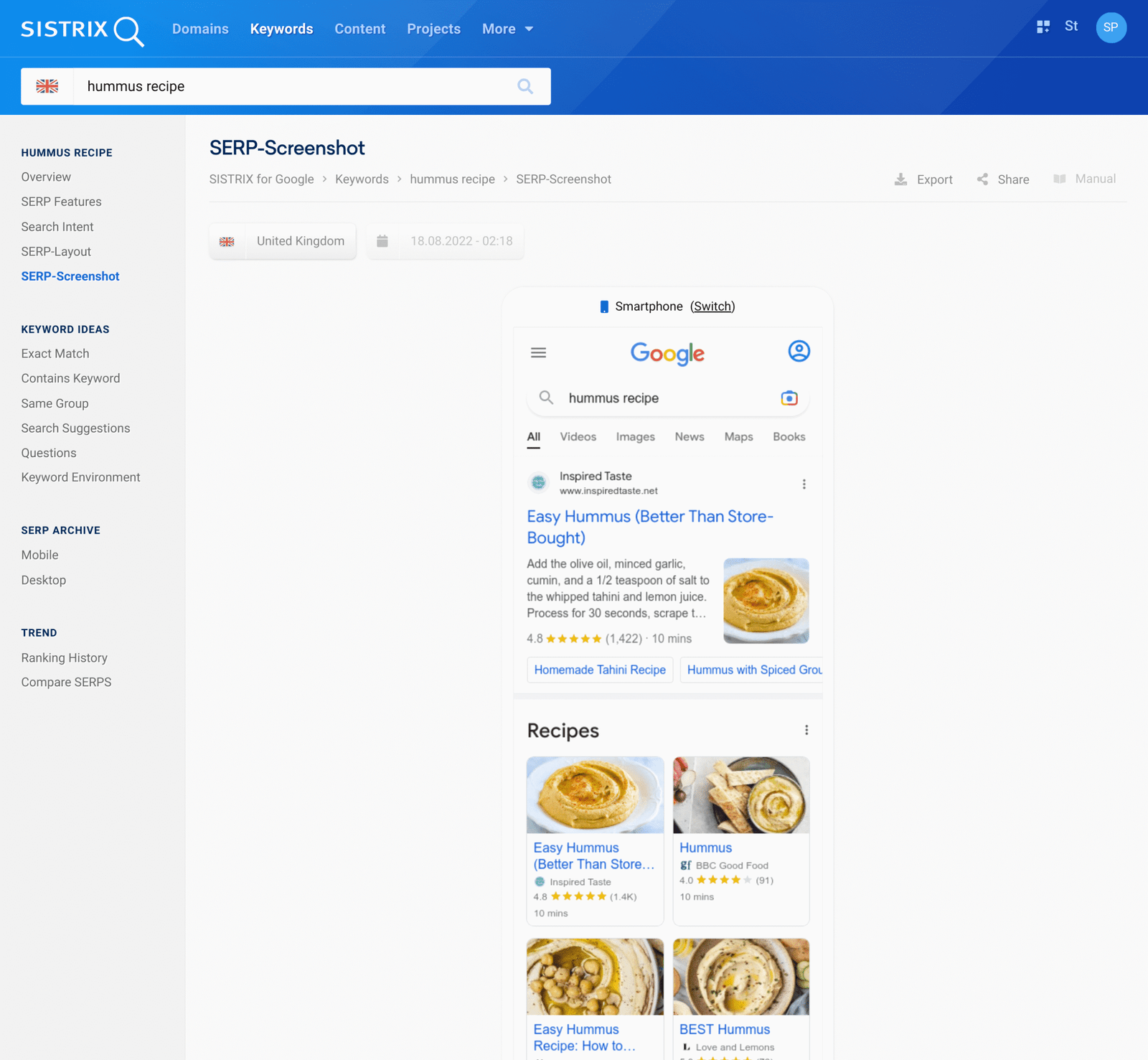
Each SERP is dynamic, influenced by multiple factors like search intent, user location, device type, and even browsing history. For instance, if you search for “coffee shops near me” in Bangalore, you’ll see an entirely different SERP than someone searching the same phrase from Bhubaneswar. Google tailors the page in real time to serve the most contextually relevant results.
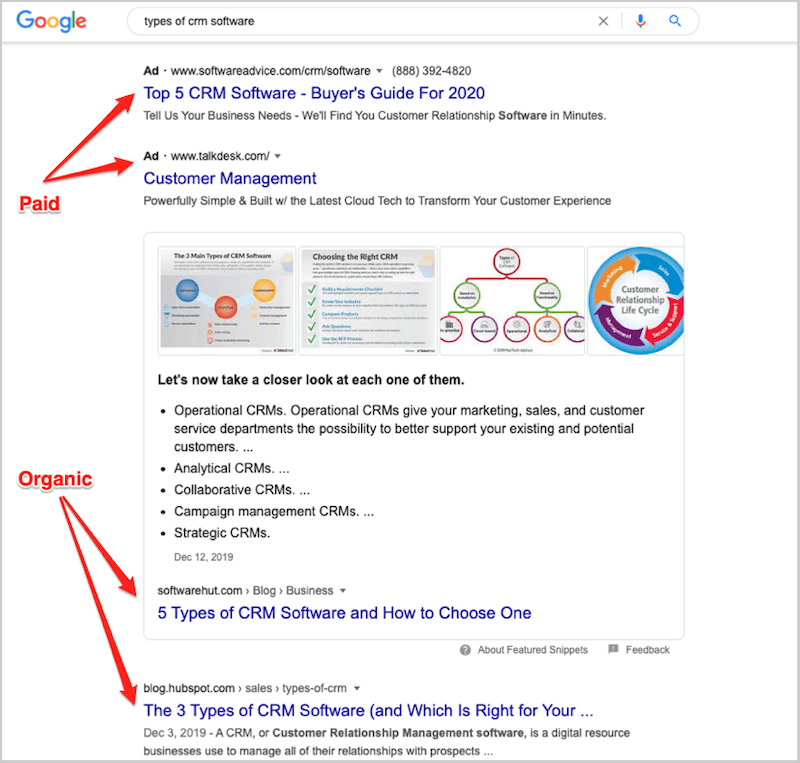
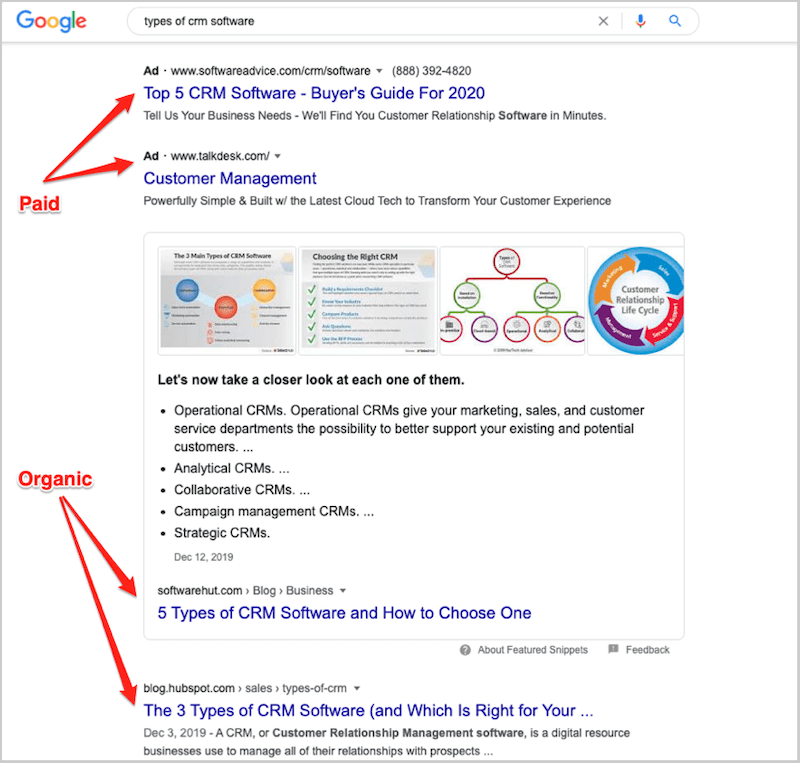
The top section of the SERP often includes paid ads (Google Ads), marked as “Sponsored.” Beneath or beside them, you’ll typically see organic results, which earn their position through strong SEO performance — relevant keywords, backlinks, authority, and user engagement. But in between, Google increasingly shows SERP features like featured snippets, image packs, video carousels, People Also Ask boxes, and local map packs — all designed to reduce the number of clicks needed to get an answer.
Why Are SERPs Important for SEO?
If you’re working on SEO (which you are — you know the territory), understanding SERPs is foundational. Three big reasons:
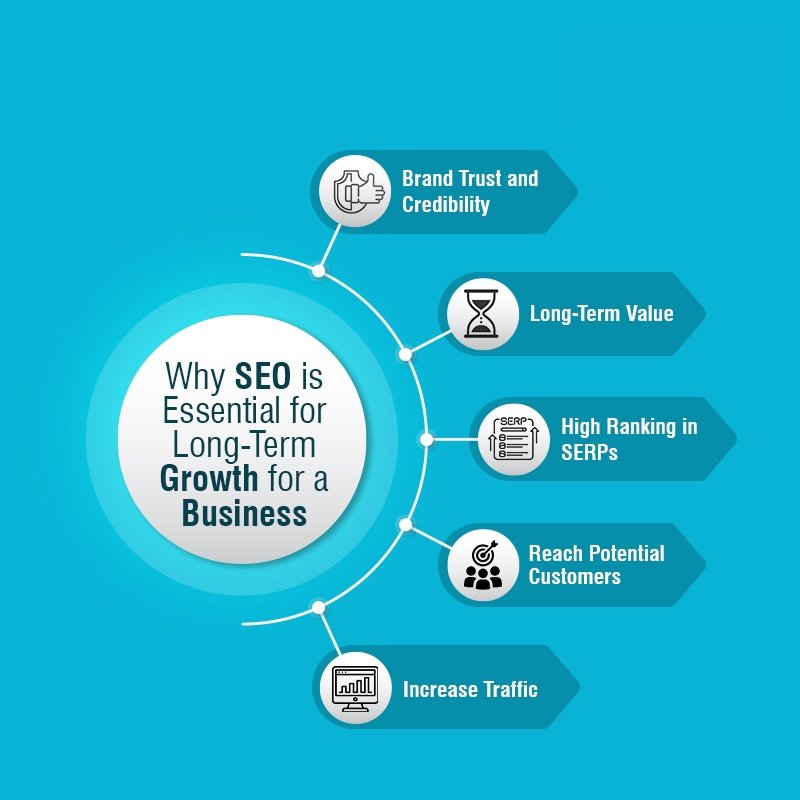
- Visibility & Traffic: If your site ranks high (or appears in special SERP features) you get more clicks. Organic results are one of the major sources of traffic.
- User Intent & Competition: The layout of the SERP gives clues about what the user wants, what Google thinks they want, and therefore who you’re competing with.
- Brand Credibility & Opportunity: Getting featured in elements beyond the basic blue links (e.g., featured snippet, knowledge panel) boosts your brand’s profile and trust.
In short: SERPs are the battlefield of SEO — but also the map showing you what to aim for.
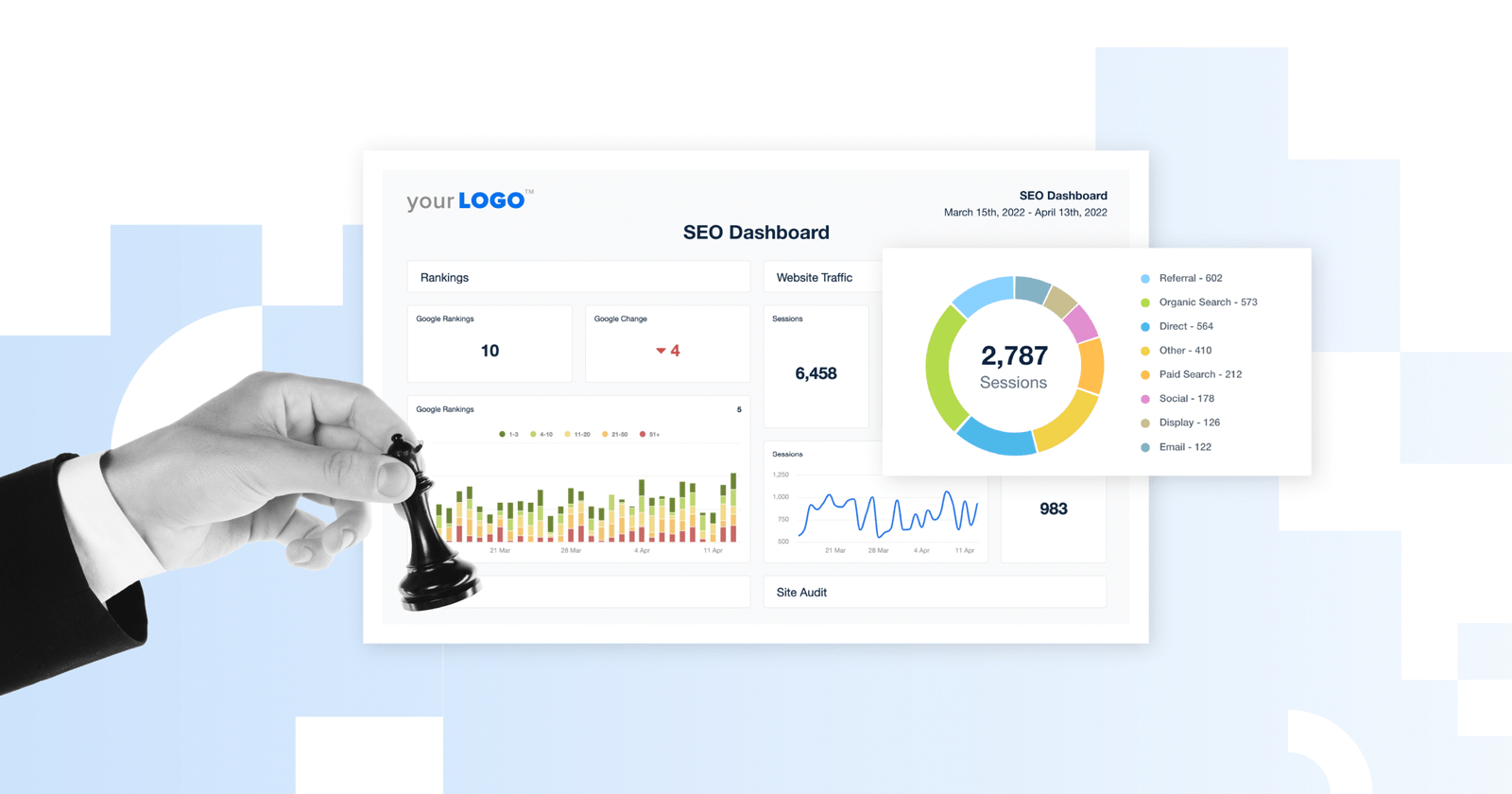
Organic Search Results
These are the standard unpaid listings on the SERP. They appear because search algorithms determine them as the most relevant for the query—not because someone paid.
Since you’re managing a digital presence (and launching products), organic results remain core: landing in that top 10 is still a big win.
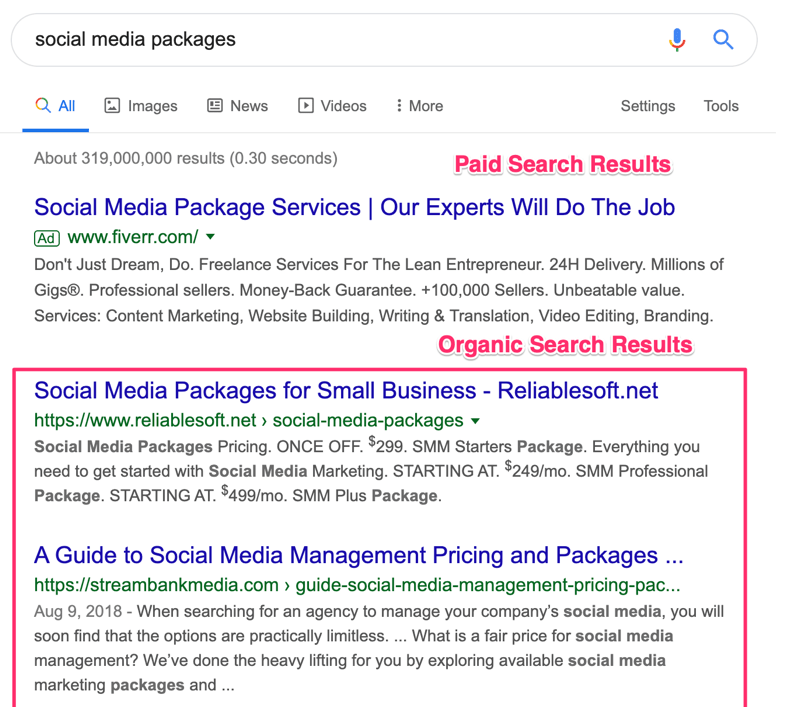
Paid Search Results
These are advertisements: entities pay to appear in the SERP, often above or beneath the organic listings.
While SEO is your organic domain, understanding paid placement is useful (especially given your background in digital marketing). It helps you see the full ecosystem of search results and whether you might consider a hybrid strategy (organic + paid).
Featured Snippets
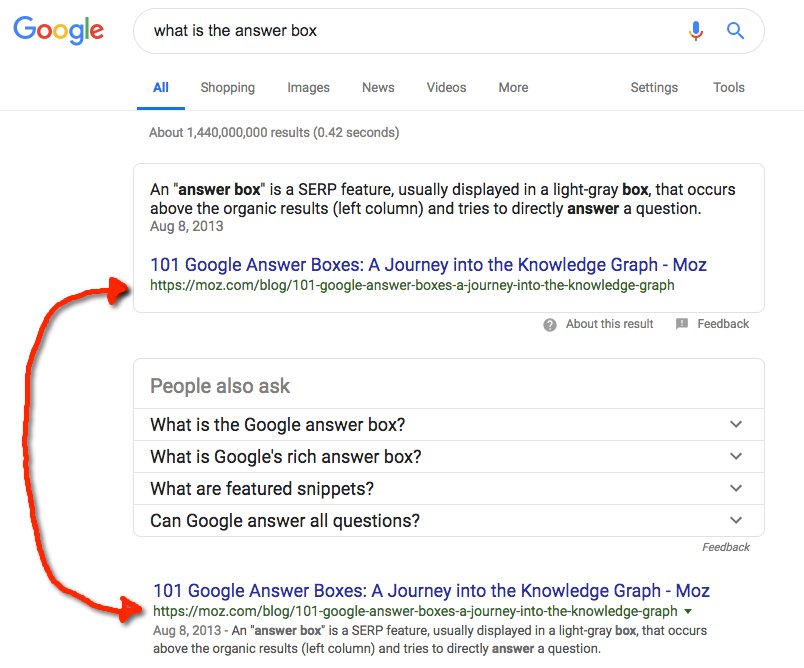
A featured snippet is a special box that appears above the usual organic results, giving a direct answer (e.g., definition or quick explanation).
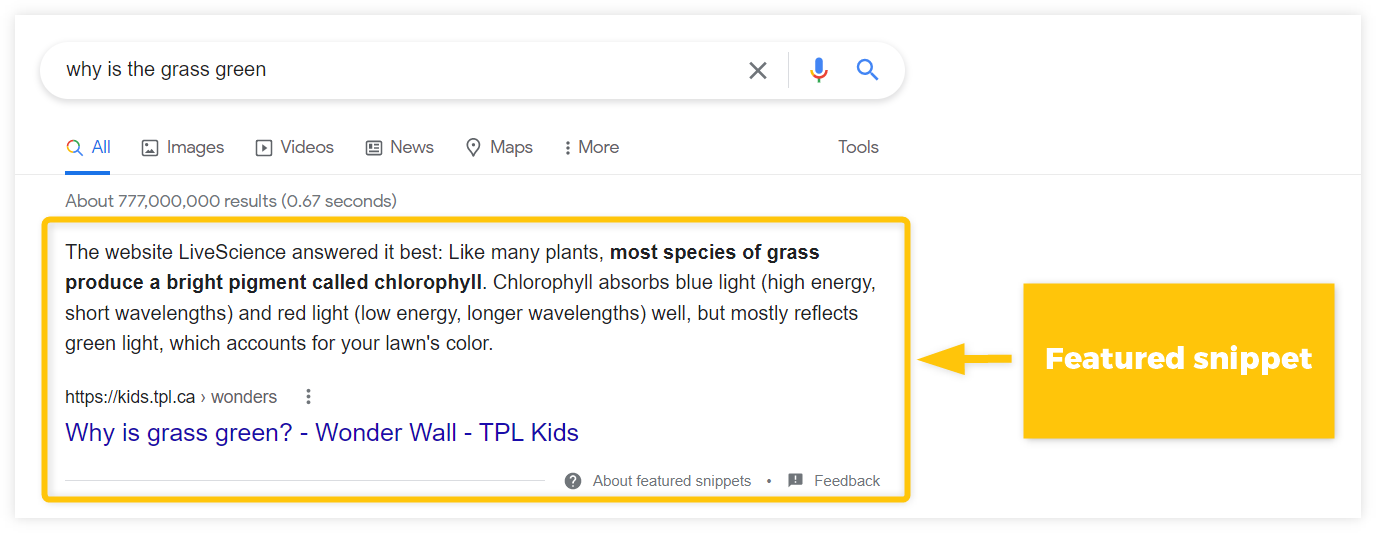
From an SEO perspective, being in a featured snippet can dramatically increase visibility—even if the click-through may differ. It’s especially relevant for informational queries.
Since you create content (courses, digital marketing articles), structuring content to answer common questions can help you aim for this.
Direct Answer Box
This is very similar to a featured snippet: Google gives a direct answer to the user’s query right in the SERP (sometimes the user doesn’t even click through).
Implication: when users get an answer in-page, the “click through” behaviour changes. So your content strategy might shift from “just get clicks” to “serve value even in snippet form.”
Knowledge Graph & Knowledge Panel
When Google recognises a search as being about a “known entity” (person, place, organisation, thing) it may show a Knowledge Panel: a box with details, facts, images, etc., drawn from the Knowledge Graph.
For your brand-led ventures (Bahu brand, AutoScaleIQ), this means entity building, consistent branding, and structured data matter: you want Google to recognise you as an authority/entity.
Local Packs
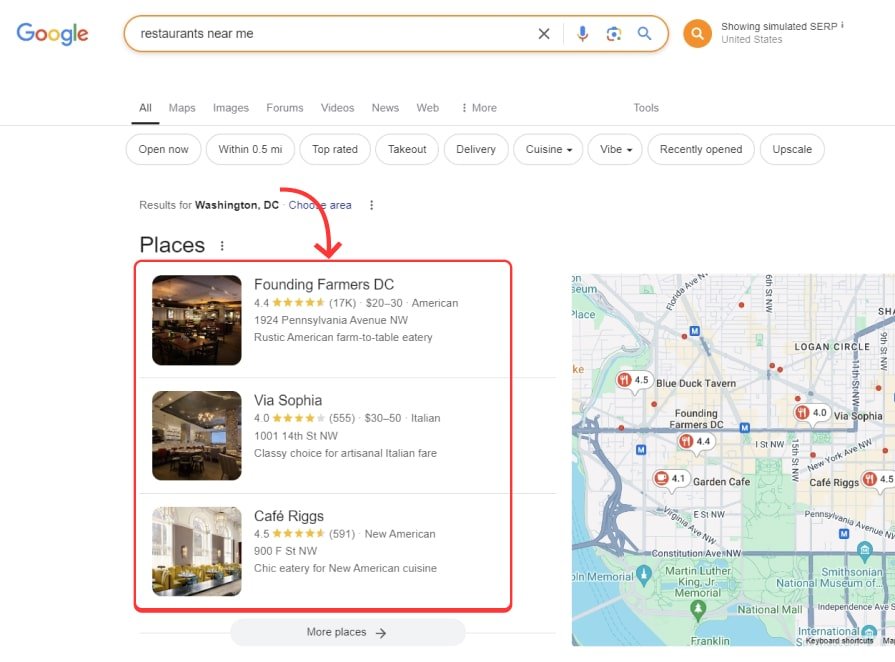
For queries with local intent (e.g., “digital marketing agency Bangalore”), Google often shows a “local pack” — map + list of businesses + reviews.
Since you have physical presence (Bhubaneswar/Bangalore) and are building services, optimising for local SEO (Google Business Profile, reviews, citations) becomes an important lever.
Google Image Results
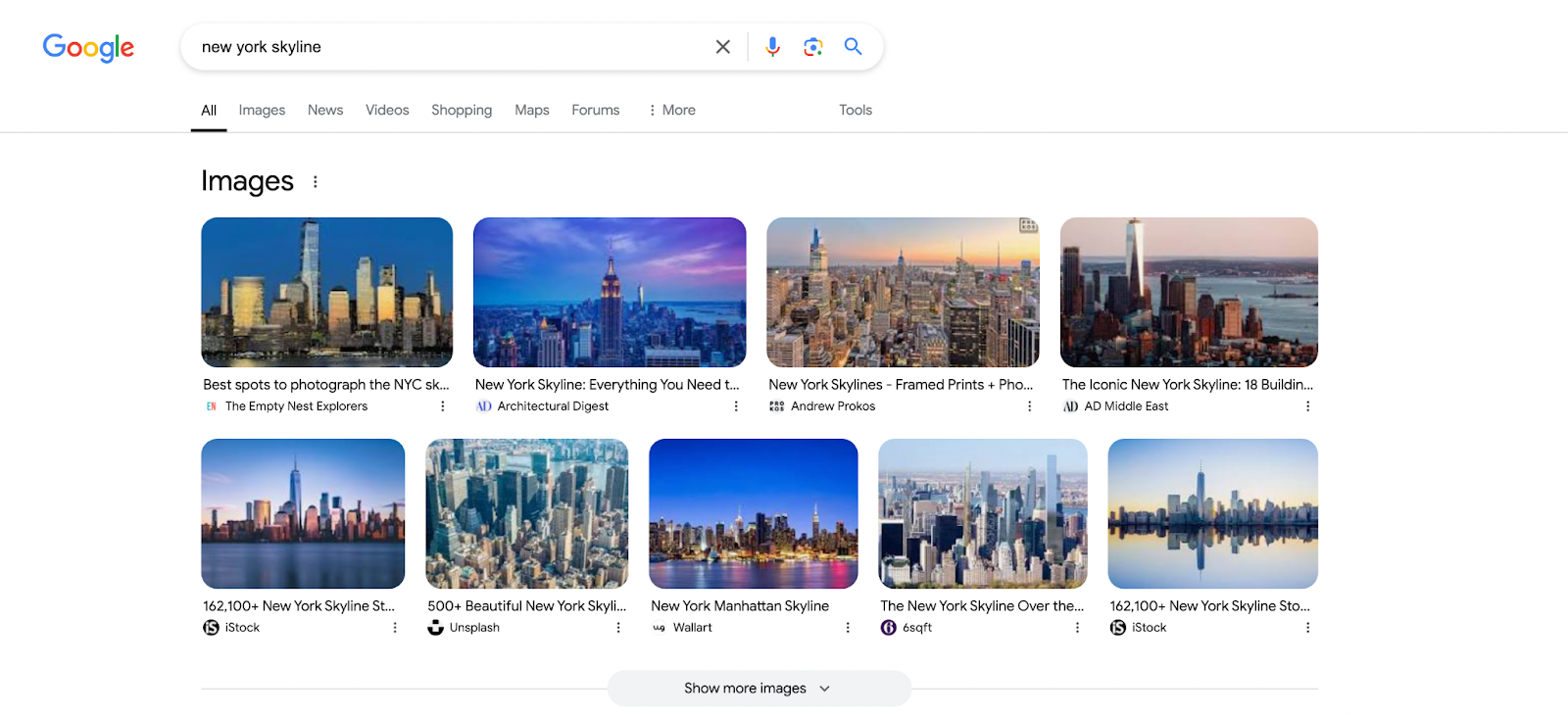
Sometimes Google shows a horizontal row of images (image pack) on the SERP when it thinks visuals will help answer the query.
If your content includes strong visuals (product photos, infographics, video thumbnails), you can gain visibility via image results—especially useful for your product launches (protein powder packaging) and marketing.
Video Results
Google often surfaces videos (from YouTube or other sources) when it fits the query context (how-to, tutorials, demos).
Given you’re launching a YouTube channel (“Bahu Brains”), optimising videos with relevant titles/descriptions and aligning content with search intent could help you show up in these video result slots.
Google Shopping Results
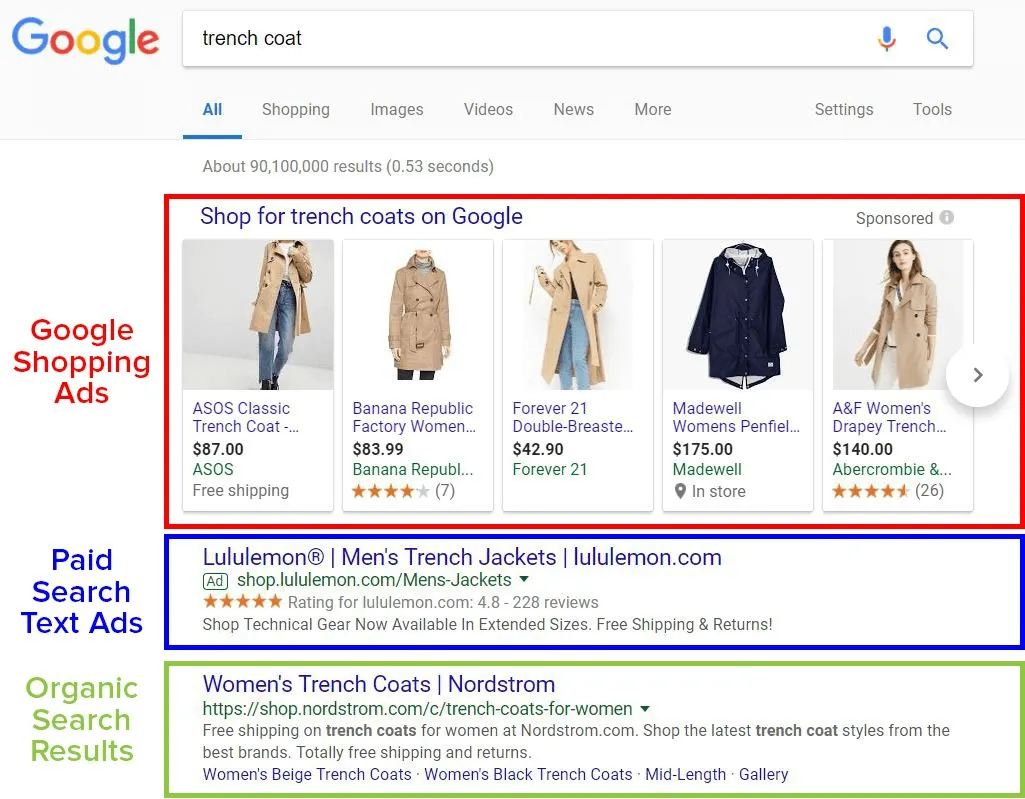
When queries are commercial (e.g., “buy whey protein India”), Google may show shopping results (product images/prices) above or alongside organic listing.
Since you plan to sell a protein powder in India via Amazon/Flipkart, understanding how your product could appear in shopping results (and optimising accordingly) is key to your e-commerce strategy.
Final Thoughts
SERPs aren’t just a list of blue links any more. They’re rich, complex, and your content/marketing approach needs to reflect that. For your ventures (both consulting and product) you should:
- Think beyond just ranking in organic; identify which SERP features apply for your target queries.
- Use content and metadata to aim for featured snippets, knowledge panels, video results, etc.
- Optimise your brand presence (entity signals), local signals, and product signals depending on the offering.
- Monitor how SERPs for your keywords look today — are there ads? local pack? video carousel? That gives you clues on intent and competition.