Search engine visibility is the degree to which your pages appear prominently across search results for the keywords your audience actually uses. Higher visibility means more impressions, clicks, and ultimately more leads and sales from organic search.
What is search engine visibility?
Search engine visibility is usually expressed as a percentage of all possible organic clicks your site earns for your ranking keywords. If you rank high for many important queries, your visibility score rises; if you rank low or not at all, your visibility drops.
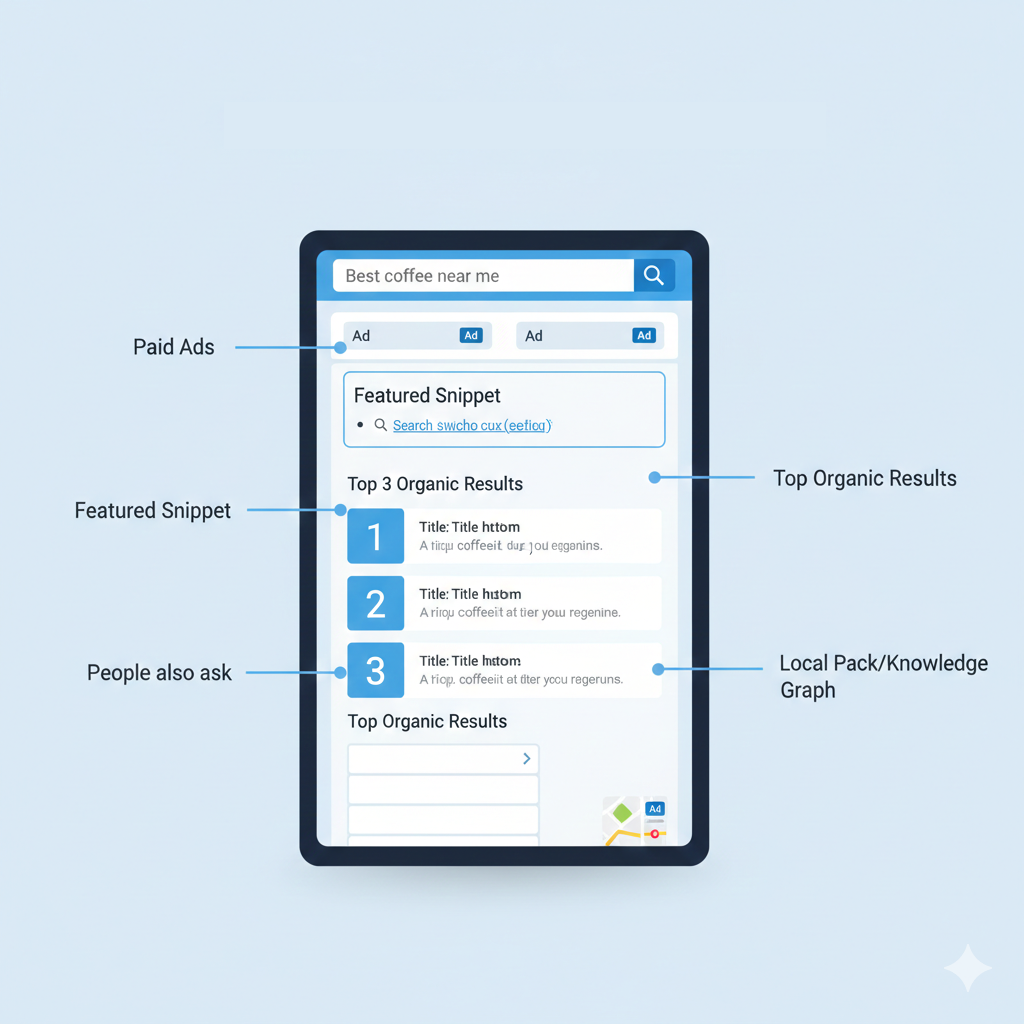
Modern visibility is not only about “blue links” but also about appearing in featured snippets, People Also Ask, image packs, maps, and other SERP features. The goal is to occupy as much real estate as possible wherever your audience searches.
With that explanation out of the way, here’s how to improve your search engine visibility:
1. Target long‑tail keywords
Long‑tail keywords are longer, more specific phrases like “best project management tool for remote startups” instead of “project management tool.” They typically have lower search volume but far lower competition and much clearer intent, making them easier to rank for and better at converting.
Practical steps to leverage long‑tails:
- Use tools like Google Keyword Planner, Ahrefs, or Semrush to find long‑tail terms with moderate volume and low difficulty.
- Map each long‑tail keyword to a focused page or blog post, weaving it naturally into titles, headings, intro paragraphs, and image alt text.
2. Check your website’s mobile‑friendliness
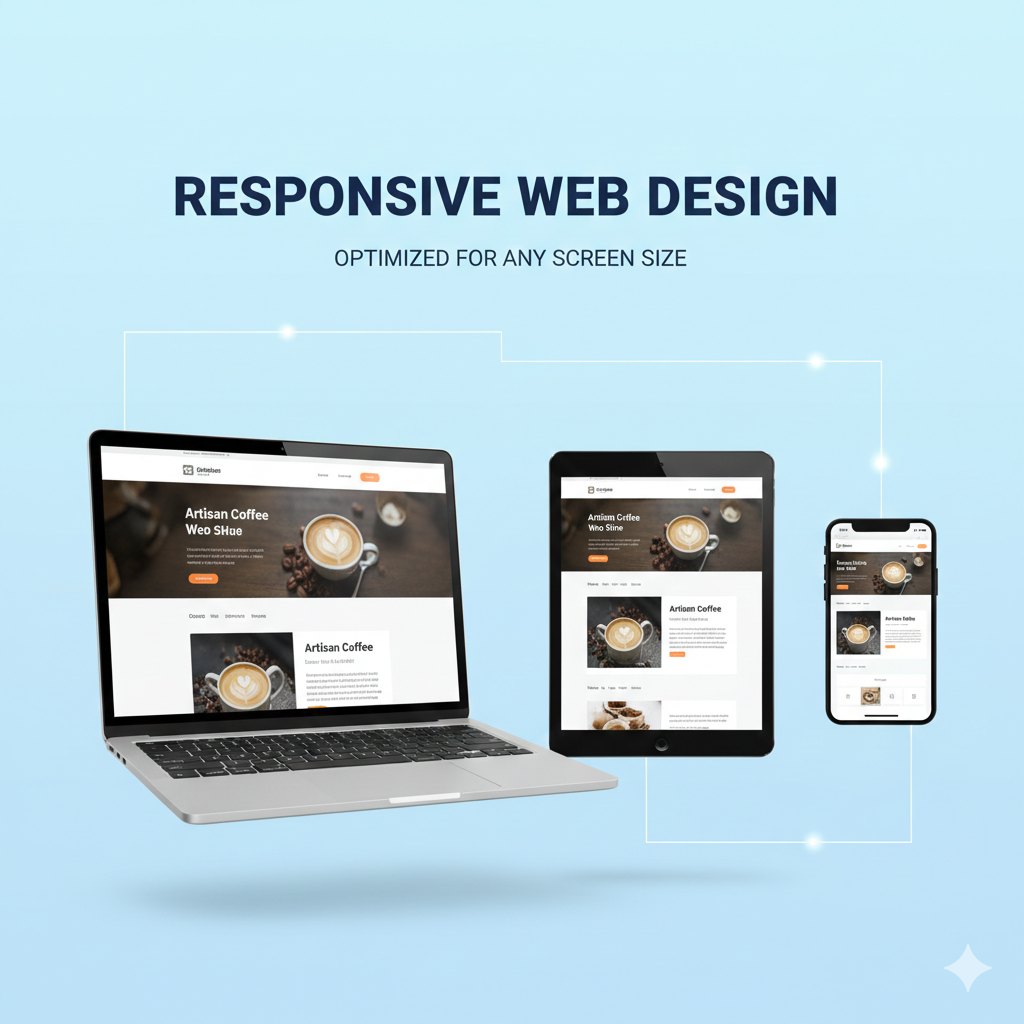
Google uses mobile‑first indexing, meaning it primarily evaluates the mobile version of your site for rankings. A site that renders poorly on phones or loads slowly will lose visibility, even if the desktop version looks perfect.
To improve mobile‑friendliness:
- Use a responsive design that adapts layouts and font sizes to smaller screens and avoid intrusive pop‑ups that block content.
- Test your site with Google’s mobile‑friendly testing tools and fix issues like tiny tap targets, horizontal scrolling, and slow mobile page speed.
3. Improve your title and description tags
Title tags and meta descriptions strongly influence click‑through rate (CTR), which in turn affects how visible your pages remain over time. Well‑written tags help both search engine visibility and users understand what your page is about before they click.
Actionable guidelines:
- Keep titles around 50–60 characters, include the main keyword early, and make them compelling with a clear benefit or outcome.
- Write meta descriptions of about 150–160 characters that summarize the value of the page, include the keyword naturally, and invite users to take action.
4. Build backlinks from relevant sites
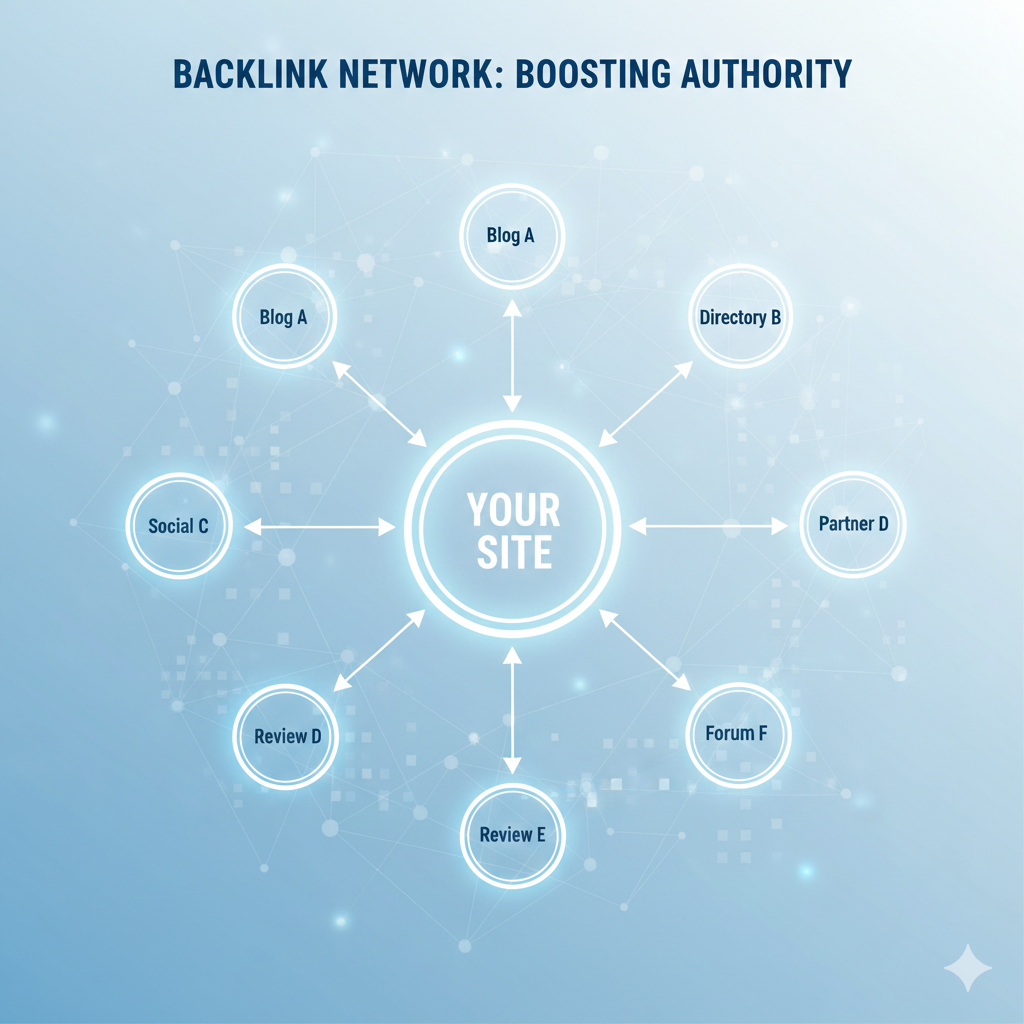
Backlinks—links from other websites to yours—remain one of the strongest signals of authority and trust. Links from relevant, high‑quality domains help your pages rise for competitive terms and improve overall domain strength.
Smart link‑building ideas:
- Publish in‑depth resources (guides, studies, original data) that others naturally reference and share, then promote them via outreach.
- Pursue guest posts, partnerships, podcasts, and resource‑page links specifically from sites in your niche rather than chasing random high‑DA links.
5. Optimize your content for dwell time
In SEO, dwell time is the time a user spends on your page after clicking from the SERP before returning to search results. Longer dwell time usually indicates that visitors are finding what they need, which supports stronger rankings and visibility.
Ways to increase dwell time:
- Structure content with clear subheadings, short paragraphs, bullet lists, and visuals so users can scan and stay engaged.
- Add videos, diagrams, or interactive elements where relevant and ensure the page loads quickly to avoid early bounces.
6. Improve pages that are ranking on page 2
Only a tiny fraction of users go past the first “screenful” of results, so pages stuck in positions 11–20 are missed opportunities. Lifting those URLs into the top 10 is often faster and more impactful than creating brand‑new content.
How to upgrade page‑2 content:
7. Add LSI and related keywords
LSI (Latent Semantic Indexing) or related keywords are terms and phrases that frequently appear around a topic, helping search engines understand context. Using them naturally in your content shows topical depth without keyword stuffing.
Implementation tips:
- Scan top‑ranking pages and tools like “People Also Ask” to identify common related phrases and questions users expect to see.
- Incorporate these semantically related terms into headings, FAQs, and body copy while maintaining a natural, human tone.
8. Internally link between pages
Internal links distribute authority around your site and guide both users and crawlers to your most important content. A strong internal linking structure improves crawl efficiency, supports topical clusters, and helps individual pages climb in search results.
Practical internal linking strategies:
- From every new article, link contextually to 2–5 relevant, older pieces and back from those to the new one using descriptive anchor text.
- Prioritize sending internal links to pages ranking in positions 11–20 for high‑value keywords to give them an authority boost.
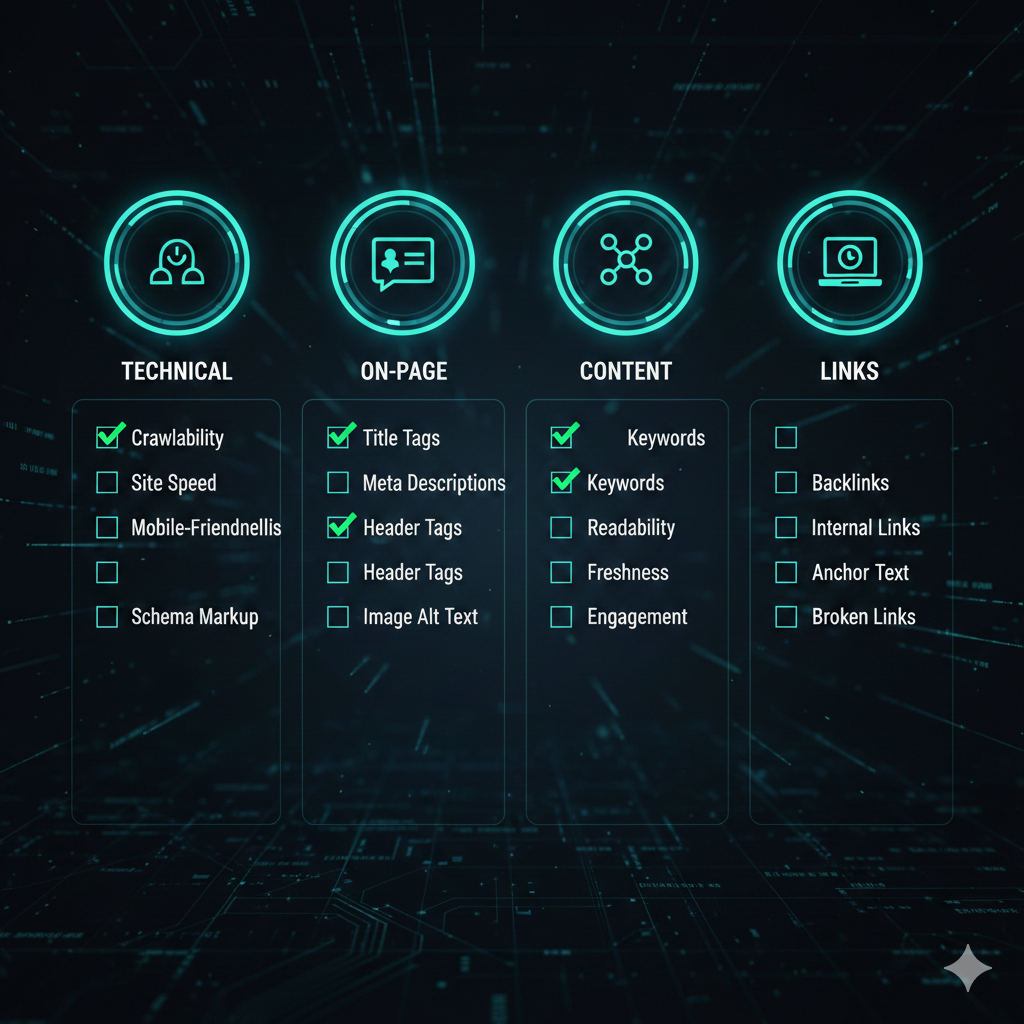
9. Run an SEO website audit
An SEO audit uncovers technical and content issues that silently limit your visibility. Problems like crawl errors, broken links, duplicate content, and slow performance can hold back even great pages.
Key audit checkpoints:
- Use tools such as Google Search Console, Screaming Frog, or Semrush Site Audit to detect crawl issues, 404s, redirect chains, and slow pages.
- Fix critical issues first—indexation problems, broken internal links, thin content, and Core Web Vitals—then move to on‑page and UX enhancements.
10. Expand your SERP real estate
“SERP real estate” refers to all the different spots your brand can occupy on a results page: organic listings, featured snippets, FAQs, images, videos, local packs, and more. Dominating several of these at once dramatically increases visibility, even for a single query.
Tactics to claim more SERP space:
- Structure content with clear answers, lists, and tables to target featured snippets and People Also Ask boxes.
- Add FAQ sections with schema markup, optimize images and videos for search, and ensure your business data is correct on Google Business Profile for local visibility.
11. Increase your domain authority
Domain‑level trust develops over time as you consistently publish valuable content and earn quality links. While “Domain Authority” is a third‑party metric, similar signals are used by search engines to gauge how strongly to rank your new and existing pages.
Ways to grow authority sustainably:
- Build a content hub strategy: publish comprehensive pillar pages and cluster articles that cover your niche in depth, interlinked tightly.
- Maintain a steady cadence of earning authoritative backlinks and keep technical health high so search engines can crawl and index your content efficiently.
Learn more: turning visibility into growth
Improving search engine visibility is an ongoing process of technical refinement, content improvement, and authority building. By focusing on long‑tail keywords, mobile experience, stronger on‑page optimization, and smart link architecture, brands can gradually own more of the results pages that matter to their audience.
To go further, track visibility metrics in tools like Google Search Console and dedicated rank‑tracking platforms, then iterate on pages with the biggest gap between impressions and clicks. Over time, small, consistent optimizations compound into a powerful organic growth engine for your business.