Rich snippets have changed how websites show up in search engine results. Instead of just plain text, they make search results more eye-catching and informative, helping users notice your site and visit it. These improved results can show things like star ratings, pictures, prices, cooking times, and other useful details, which help users decide whether to click on your link. In today’s busy online world, knowing how to use rich snippets is not just helpful—it’s a must for anyone who wants to do well with search engine optimization.
What Are Rich Snippets?
Rich snippets, sometimes called “rich results,” are search results from Google that show more than just the usual title, website address, and short description. When you add special code to your website’s HTML, search engines can understand your content better and present it in a more attractive way directly in the search results.
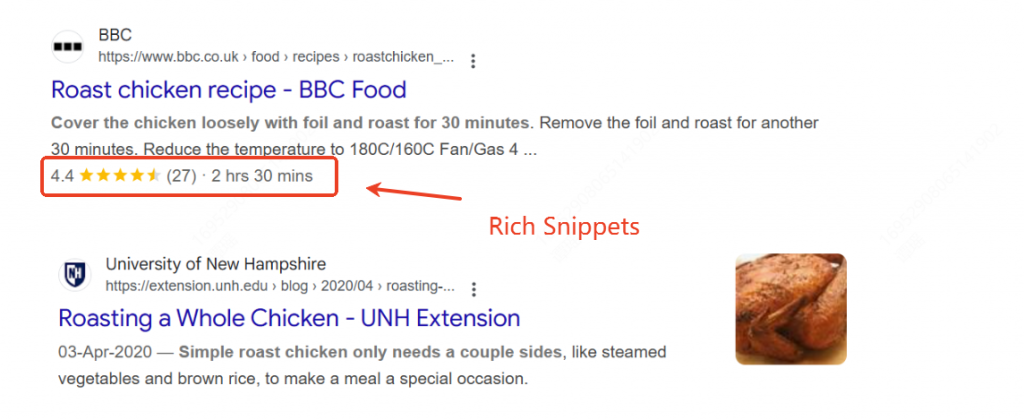
Without rich snippets, users only visit basic information like your site title, URL, and meta description. With rich snippets implemented, search engines can display reviews, ratings, images, video thumbnails, event dates, product prices, availability information, and more. This conversion makes your listing stand out from the competition and delivers users with quick answers to their queries without requiring them to click through to your site first.
The key difference between rich snippets and regular search results lies in the structured data markup they use, which serves as a direct channel of communication between your website and search engines. By adding this code to your pages, you’re basically marking different elements of your content so search engines know exactly what details to highlight.
Why Are Rich Snippets Important?
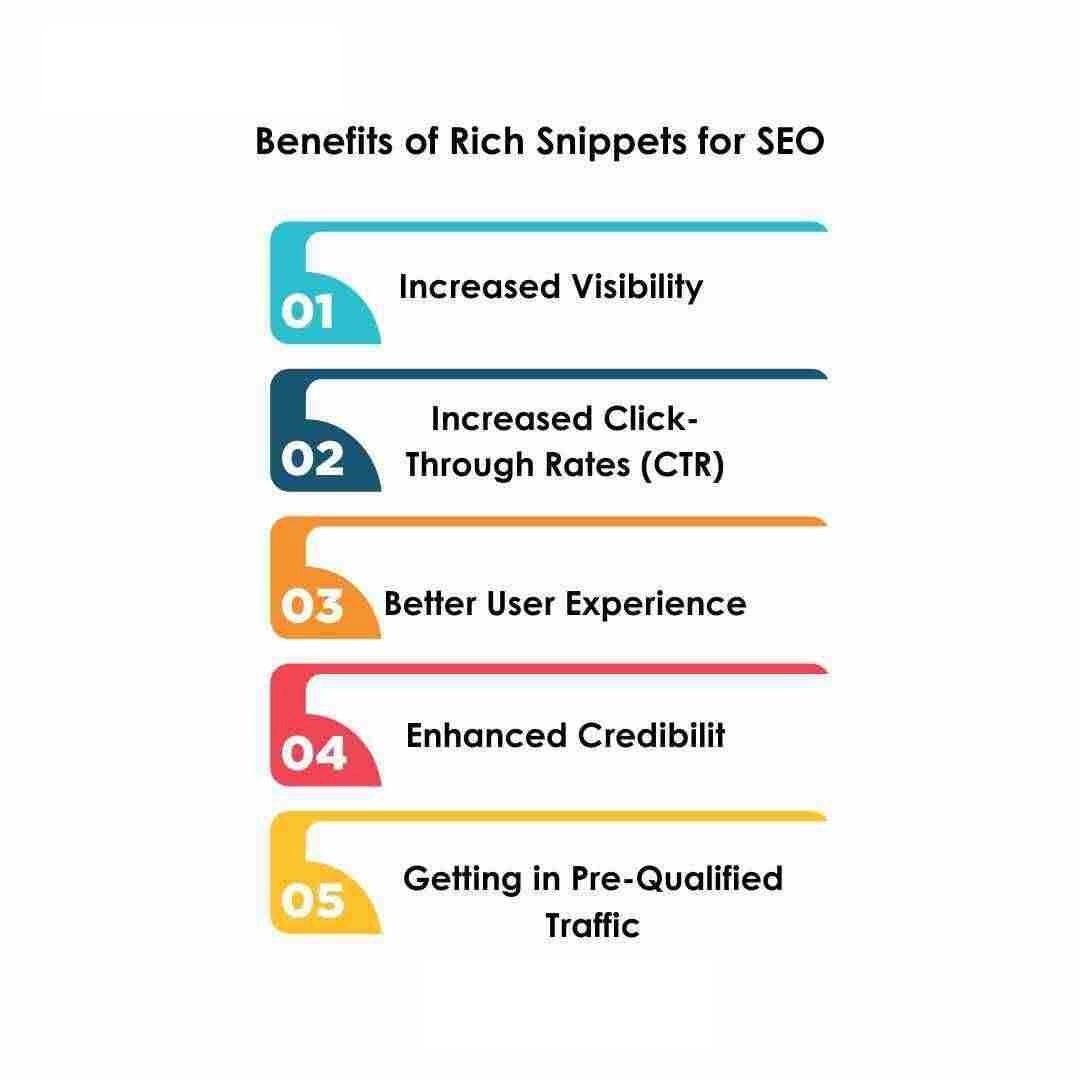
Enhanced Visibility and Click-Through Rates
Rich snippets dramatically improve your visibility in search engine results pages (SERPs) by making your listings more eye-catching and informative. The additional details like star ratings, author names, and price ranges help your result stand out among dozens of competing listings.
The effect on click-through rates (CTR) is substantial and well-documented. According to research by Milestone, rich snippets drive an average CTR of 58%, compared to just 41% for standard results. Some formats, such as FAQ snippets, can achieve CTRs as high as 87%. Another study by Blue Array found that search results with rich snippets see a 5-30% higher CTR compared to those without.
Improved User Experience and Qualified Traffic
Rich snippets enhance user experience by delivering important information upfront, allowing searchers to make informed choices before clicking a link. This pre-qualification process means that when users click on your result, they’re already interested in what you offer, leading to higher engagement and lower bounce rates.
By replying to user intent instantly on the search results page, rich snippets reduce variance in the user journey. A user searching for “chocolate chip recipe easy” can instantly compare cooking times and ratings across multiple recipes without clicking through multiple links, making their click a high-intent action.
Competitive Advantage Without Direct Ranking Boost
While rich snippets don’t directly improve your search engine rankings according to Google’s Danny Sullivan, they signal to search engines that your content is appropriate and useful when users engage with your enhanced listings. The improved visibility and higher CTR can indirectly contribute to better overall performance in search results.
How to Optimize Your Site for Rich Snippets: 4 Best Practices
1. Choose a Rich Snippet Type
Your first step is identifying which type of rich snippet best matches your content. Google helps multiple rich snippet types, each designed for specific content types.
Here are the most valuable types to consider:
Reviews: Display star ratings, reviewer names, and dates to establish trust and credibility for your products, services, or business. These are important for any business aiming to build consumer confidence through social proof.
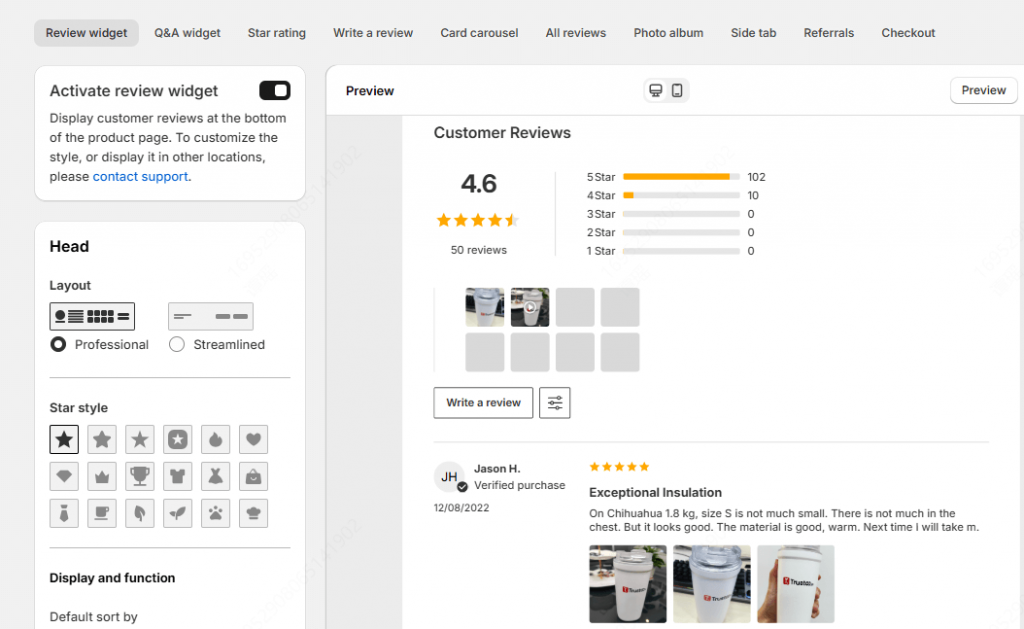
Recipe: Show ingredients, cooking time, calorie count, and nutritional information directly in search results. When you add Recipe markup to your page, search engines understand specific details like preparation time and can display this information as a rich snippet with an image of the finished dish.
Music-Related: Present information about songs, albums, artists, and playlists. This is particularly useful for music review sites, streaming services, and enjoyment platforms.
Product: Deliver details about products, including price, availability, and review ratings, directly in search results. These snippets are valuable for e-commerce sites looking to attract buyers by showcasing pricing and stock status before users click across.
Organization: Display your business information, including name, logo, contact details, and social media profiles. This helps establish your brand identity in search results and builds distinction.
News,Article and BlogPosting: Enhance news, blog, or article listings by showing the headline, author, publish date, and featured image. Article snippets help draw in readers interested in exact topics by providing context about the content’s freshness and authority.
VideoObject: Show video thumbnails and brief descriptions, making video content more appealing in search results. Video snippets can seriously improve clicks for multimedia content by providing graphical previews.
Event: Give users quick access to event details such as dates, locations, ticket availability, and pricing. These are perfect for advertising concerts, meetings, webinars, and other time-sensitive conferences.
2. Understand the Basics of Structured Data
Structured data is the foundation that makes rich snippets possible. It’s a standardized format for providing information about your page content and classifying that content in a way search engines can easily understand.
Think of structured data as a translation layer between your website and search engines. While humans can easily understand that “5 stars” means a positive review, search engines need explicit markup to interpret this information correctly. Structured data provides this clarity by using standardized vocabulary from Schema.org.
The structured data consists of key components: types (what kind of thing you’re describing, like “Recipe” or “Product”), properties (specific attributes like “price” or “rating”), and values (the actual data, like “$29.99” or “4.5 stars”). When properly implemented, this markup tells search engines exactly what each piece of information represents, increasing your chances of earning rich snippets.
3. Implement Structured Data with Schema
Schema.org markup is the most widely supported structured data format, endorsed by all major search engines including Google and Bing. The implementation process is straightforward, especially when using JSON-LD format, which is Google’s preferred method.
JSON-LD (JavaScript Object Notation for Linked Data) is the easiest format for beginners because you simply copy and paste the schema code into your HTML header within a <script type=”application/ld+json”> tag. The basic structure includes the context (
), the type (such as Organization, Product, or Article), and the properties specific to that type.
For example, a simple Organization schema includes:
- @context: “
- https://schema.org“
- @type: “Organization”
- name: Your company name
- url: Your website URL
- Additional properties like logo, contact information, and social profiles
You don’t need to write code from scratch—numerous structured data generators are available online, such as Google’s Structured Data Markup Helper and third-party tools from Merkle and others. These tools require you to input various text values and then generate the complete JSON-LD code you need.
For WordPress users, plugins like Yoast SEO and Schema Pro simplify the implementation process significantly, allowing you to add structured data without touching any code.
4. Verify with the Rich Results Test Tool
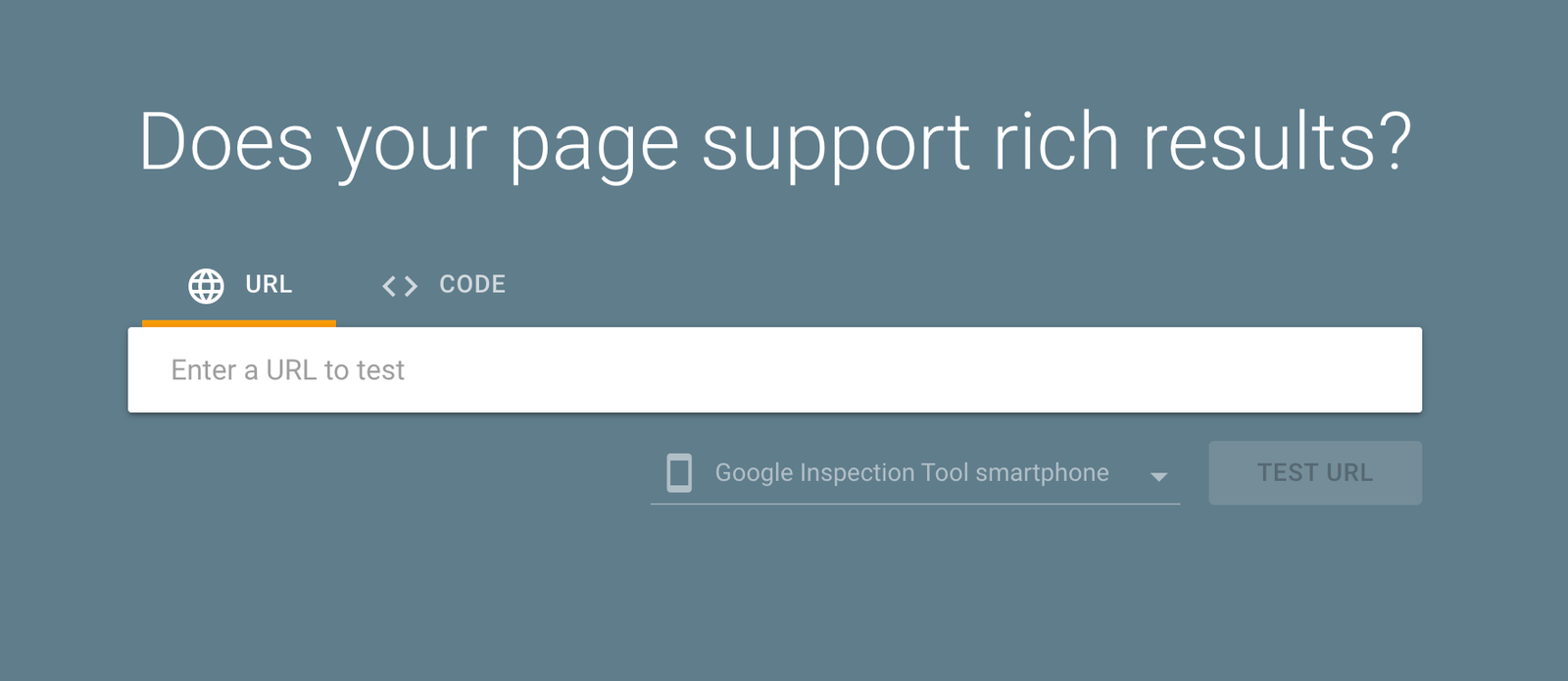
After implementing structured data, validation is crucial to ensure your markup is error-free and eligible for rich results. Google’s Rich Results Test is the primary tool for this verification process.
The Rich Results Test allows you to check your pages in two ways: by entering a live URL or by pasting your schema markup code directly. The tool shows which rich results your page is eligible for, provides previews of how they’ll appear in search results, and identifies any errors or warnings that need correction.
The preview feature is particularly valuable—it gives you an actual visualization of how your content will appear in Google search results. You can use these previews to ensure images look appropriate, titles are compelling, and all important information displays correctly.
Google recently prioritized the Rich Results Test over the older Structured Data Testing Tool because it shows which specific search feature enhancements are valid for your markup, handles dynamically loaded structured data more effectively, and renders both mobile and desktop versions of results. The tool is fully aligned with Search Console reports, making it easier to monitor your rich snippet performance over time.
When you run the test, errors, warnings, and detected schema markup appear on the right side of the screen. If you need to fix issues, you can edit your code directly in the tool and rerun the test immediately. After resolving any problems, implement the corrected markup on your live page and test the URL again to confirm everything works as intended.
Learn More
Mastering rich snippets requires ongoing learning as search engines continuously evolve their rich result capabilities. Google’s Search Central documentation provides comprehensive, up-to-date information on all supported structured data types and implementation requirements.
The Schema.org website offers detailed specifications for every markup type, including required and recommended properties for each. This resource is essential for understanding the full potential of structured data beyond basic implementations.
For advanced users, Search Console’s structured data reports provide insights into how Google interprets your markup and which pages successfully display rich results. Regular monitoring helps you identify opportunities to expand your rich snippet coverage across more pages and content types.
Remember that while structured data increases your eligibility for rich snippets, Google ultimately decides which results to enhance based on content quality, relevance, and user experience factors. Focus on creating valuable content first, then optimize it with proper markup to maximize your chances of earning these coveted enhanced listings.
By implementing these four best practices—choosing the right snippet type, understanding structured data fundamentals, properly implementing Schema markup, and thoroughly testing your implementation—you’ll position your website for greater visibility, higher click-through rates, and more qualified traffic from search engines.