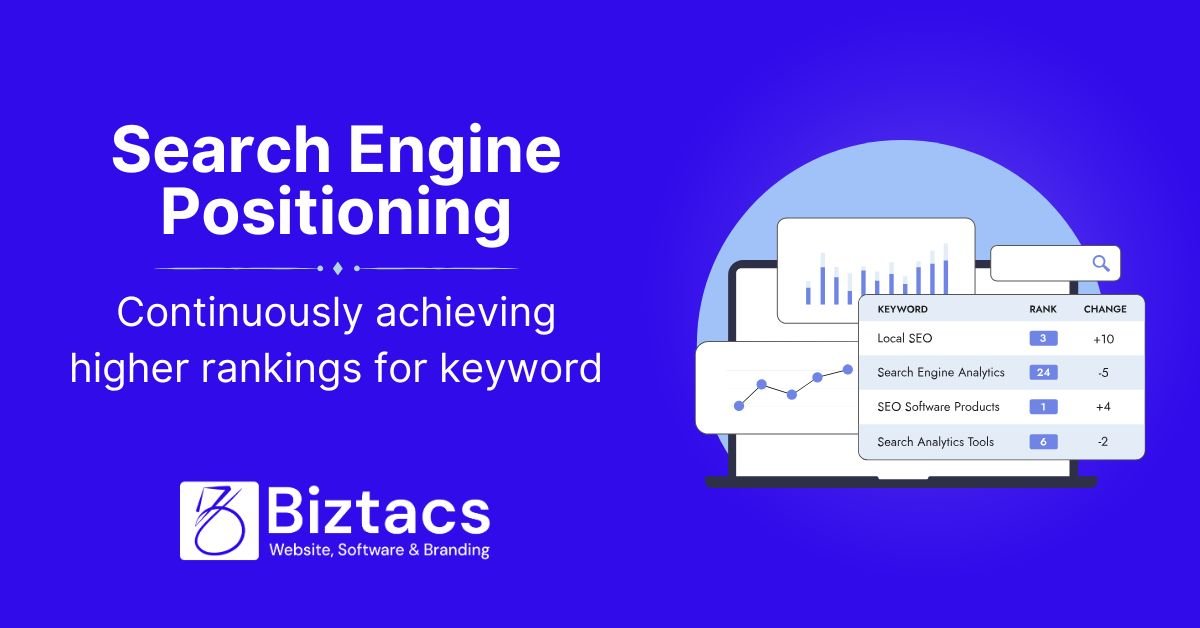
Getting your website on the first page of Google isn’t the final destination – it’s just the beginning. The real power lies in search engine positioning – the art and science of improving your existing rankings and securing multiple positions for your target keywords. Whether you’re a digital marketer, business owner, or content creator, understanding search engine positioning can help you consistently appear where your customers are looking.
What is Search Engine Positioning?
Search Engine Positioning (SEP) is the continuous process of optimizing and re-optimizing your website’s content to improve its ranking for specific keywords on search engines like Google, Bing, or Yahoo.
Unlike general SEO—which focuses on visibility and traffic—SEP zeroes in on where your pages rank and how consistently they appear across different search results.
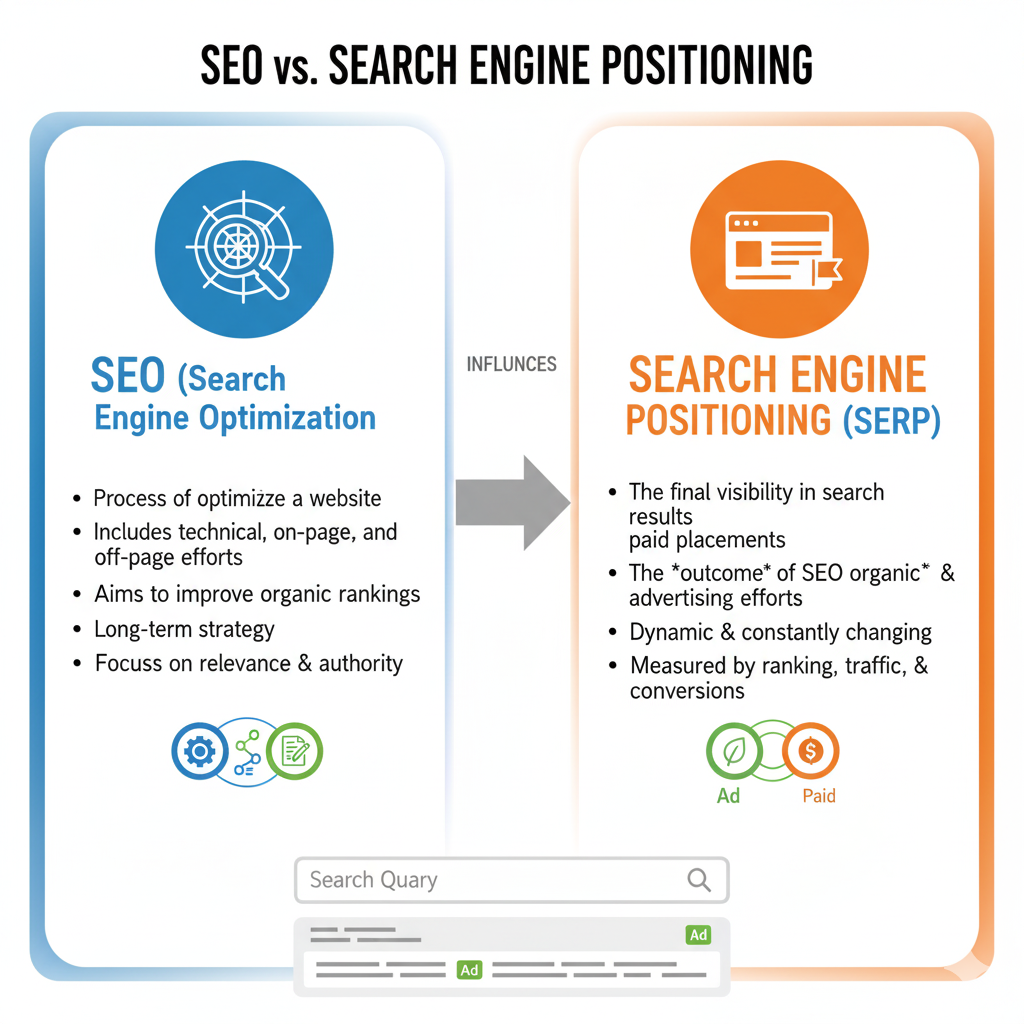
In simple terms, SEO gets you on the map. Search engine positioning keeps you on top of it.
Why is Search Engine Positioning Important?
Your position in search results directly affects how many people find and click on your website. According to studies, the first three results on Google receive more than 60% of all clicks. Even moving from page two to the bottom of page one can increase your traffic dramatically.
By focusing on search engine positioning:
- You increase organic traffic without spending extra on ads.
- You build trust and authority in your field.
- You increase brand visibility in related keywords.
- You protect your ranking from competitors who are always adapting.
Step #1: Re-Optimize Your Existing Content
Before creating new pages, look at what you already have. Use a tool like Google Search Console or Ahrefs to identify pages that rank between 6-20 places for a target keyword.
Update these pages with:
- Latest data and references.
- Better keyword placement in H2s and meta descriptions.
- Better readability and internal structure.
Step #2: Use Internal Linking
Internal links act like road signs for Google’s crawlers. By linking high-authority pages to those that need a boost, you can pass link equity and improve ranking speed.
Use descriptive anchor text, and create topic clusters so related content strengthens each other.
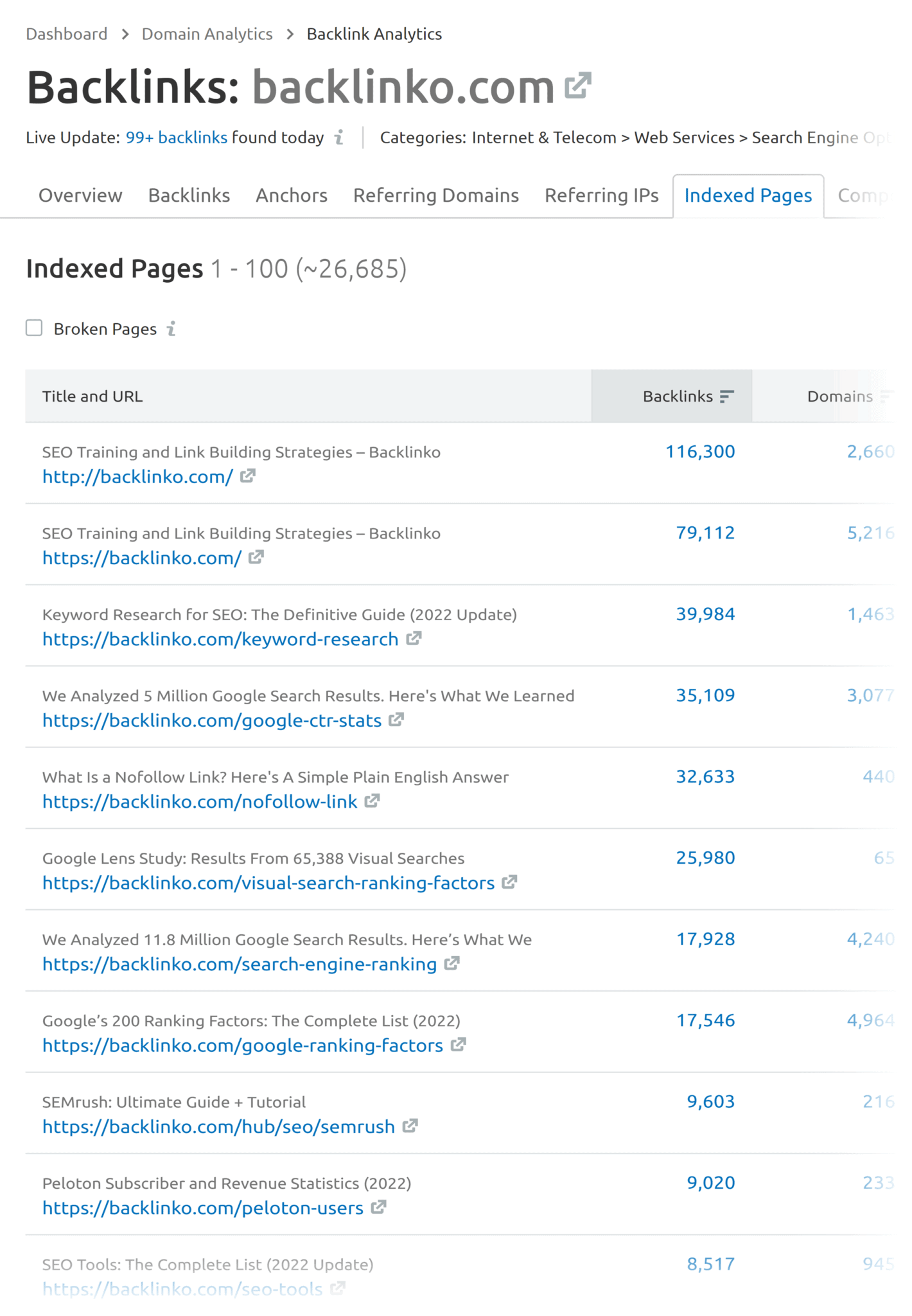
Step #3: Optimize for Organic Click-Through Rate (CTR)
Even if you’re already ranking well, a bad CTR can hold you back. Improve your title and meta description to attract clicks:
- Use power words like Best, Proven, Guide, or Free.
- Add numbers (e.g., “10 Ways to Improve…”).
- Include your brand name in high-traffic posts for recognition.
Tools like Google Search Console help track which pages have low CTRs and need attention
Step #4: Improve Your Core Web Vitals Score
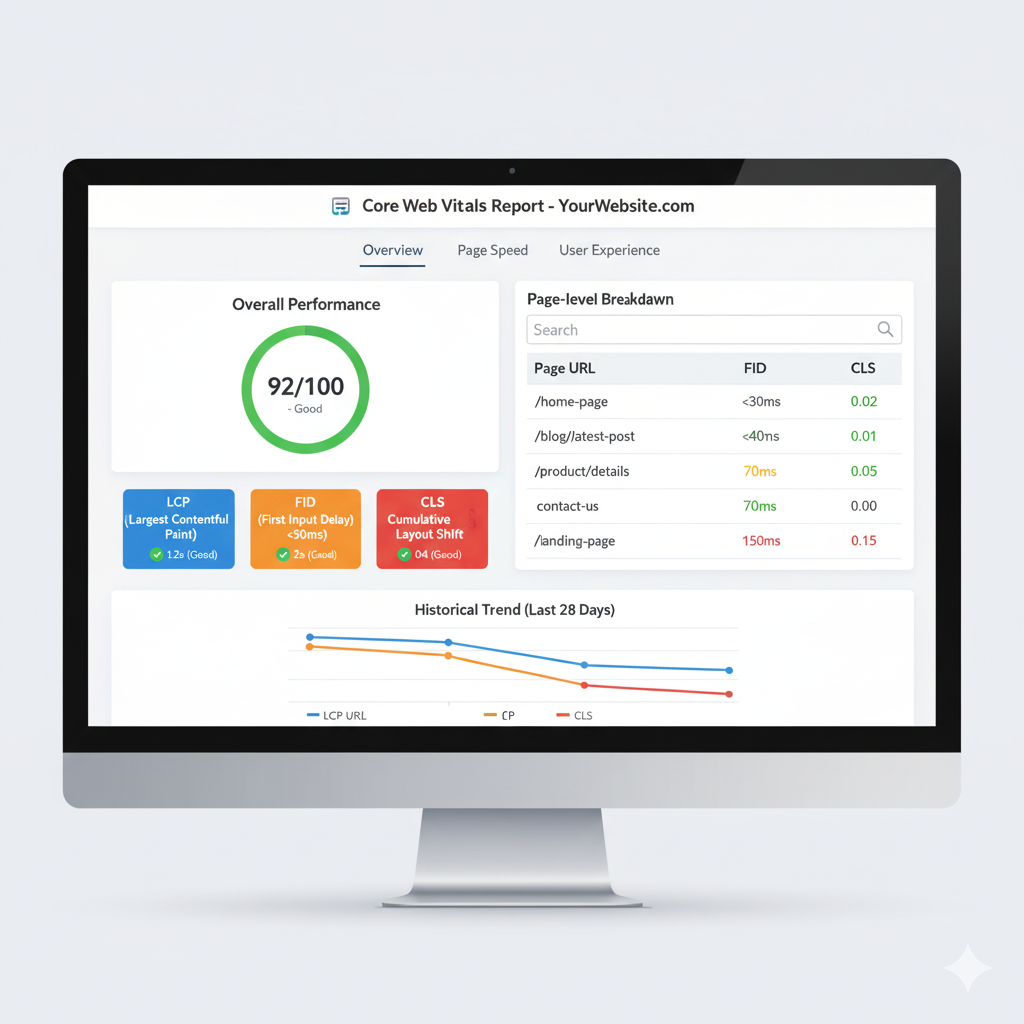
Google’s core web Vitals elements—Largest Contentful Paint (LCP), First Input Delay (FID), and Cumulative Layout Shift (CLS)—measure user experience.
To improve them:
- Compress and lazy-load images.
- Use a fast, reliable hosting provider.
- Minimize CSS and JavaScript bloat.
A smoother site means longer sessions, higher engagement, and better rankings.
Step #5: Get Multiple Results for the Same Keyword
Dominate the search results by targeting the same keyword with different types of content—blogs, videos, FAQs, or infographics.
For example, if your keyword is “Best CRM Tools for Real Estate”, create:
- A list blog post
- A video walkthrough
- A comparison chart
- A downloadable checklist
This multi-format strategy helps you occupy more real estate on page one.
Conclusion
Search engine positioning isn’t a one-time task – it’s a cycle of measuring, refining, and outperforming your competitors. Every small improvement over time turns average pages into powerful lead magnets.
If SEO is a race to the top, search engine positioning remains where it is. Keep optimizing, testing, and optimizing—the clicks will keep coming.