Search engine optimization remains the cornerstone of digital success, determining whether your website thrives or disappears into obscurity. With search algorithms evolving rapidly and user expectations rising higher than ever, mastering SEO best practices is no longer optional for businesses seeking online visibility. This comprehensive guide explores ten essential strategies that will transform your website’s performance, drive organic traffic, and establish your digital authority in an increasingly competitive landscape.
Below, we’ll walk you through each of those practices, why they’re important, and how you can implement them on your website today.
10 Proven SEO Best Practices to Skyrocket Your Rankings:
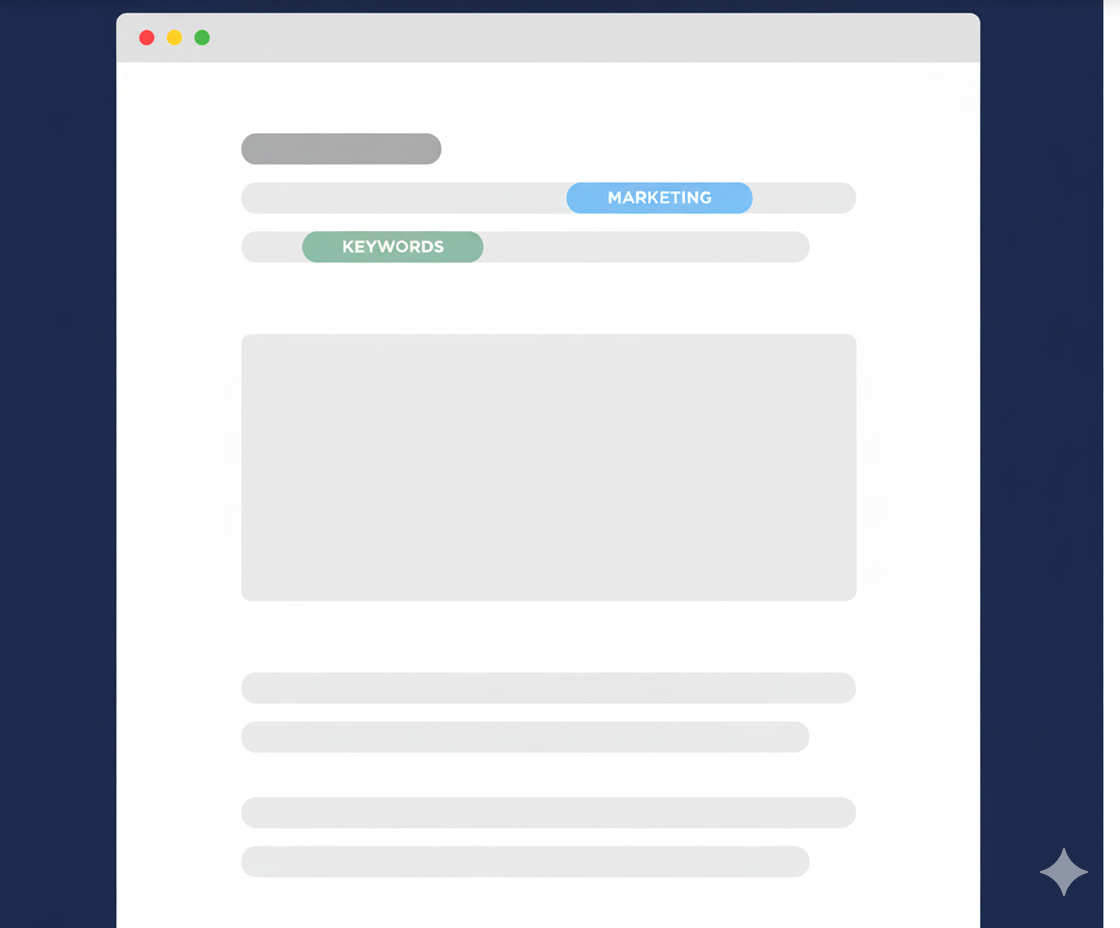
Add Your Main Keyword Early On In Your Content
Strategically placing your primary keyword within the first 100 words of your content signals to search engines exactly what your page addresses. Search algorithms place a lot of weight on keywords that appear at the beginning of your content, especially in the intro and first title. This practice helps search engines quickly understand the topic of your page and match it to relevant user queries.
When crafting your opening paragraph, integrate your focus keyword naturally without forcing it into awkward sentence structures. The keyword should appear in your H2 headings or H3 subheadings where appropriate, enhancing both readability and search engine comprehension. Research shows that pages with keywords positioned near the beginning of title tags tend to rank higher in competitive niches.
In addition to the introduction, distribute your primary keywords and semantic variations throughout the main body content and conclusion. This strategic placement confirms the depth and relevance of your content to search engines. Avoid keyword stuffing, which creates robotic-sounding text that drives visitors away and negatively impacts your search rankings.
Write Unique Titles, Descriptions and Content
Unique meta titles and descriptions serve as your first impression in search results, which directly impacts click-through rates and user engagement. Your title tag should remain between 50-60 characters to avoid getting cut off in search engine results pages, primary keywords should be placed at the beginning for maximum SEO impact. Each page on your website needs a different title that accurately reflects its specific content.
Meta descriptions should stay within 50-160 characters while naturally incorporating target keywords and summarizing your content’s value proposition. These descriptions function as mini-advertisements that stimulate reader interest and encourage clicks from search results. Using powerful words, numbers or questions in your headlines increases their effectiveness and appeal to potential visitors.
Content specificity goes beyond meta tags to include all written content on your website. Duplicate content confuses search engines about which version to rank and weakens your SEO authority. Creating original, comprehensive content that fully addresses user questions, establishes your expertise and builds trust with both search engines and readers.
Optimize Your Title Tag for SEO
Title tag optimization requires balancing several factors, including keyword placement, character limits, and click-ability. Placing your primary keyword at the beginning of the title tag maximizes its SEO weight, as search engines give more importance to terms that appear first. This status helps your page compete effectively in highly competitive sectors where every ranking signal matters.
Effective title tags use delimiters such as hyphens, colons, or pipes to separate primary and secondary keywords, especially when the keywords share some common words. This technique allows you to target multiple related search terms within a single title. For example, “e, “Best CBD Oil | Shop Cannabidiol Oil” targets both “best cbd oil” and “cannabidiol oil” efficiently .
Your title tags should remain short and catchy while avoiding appearing in search results. Search engines display about 600 pixels of title text, which translates to about 50-60 characters. Mobile users see even fewer characters, making brevity essential to maintain visibility on all devices.
Improve Your Site’s User Experience
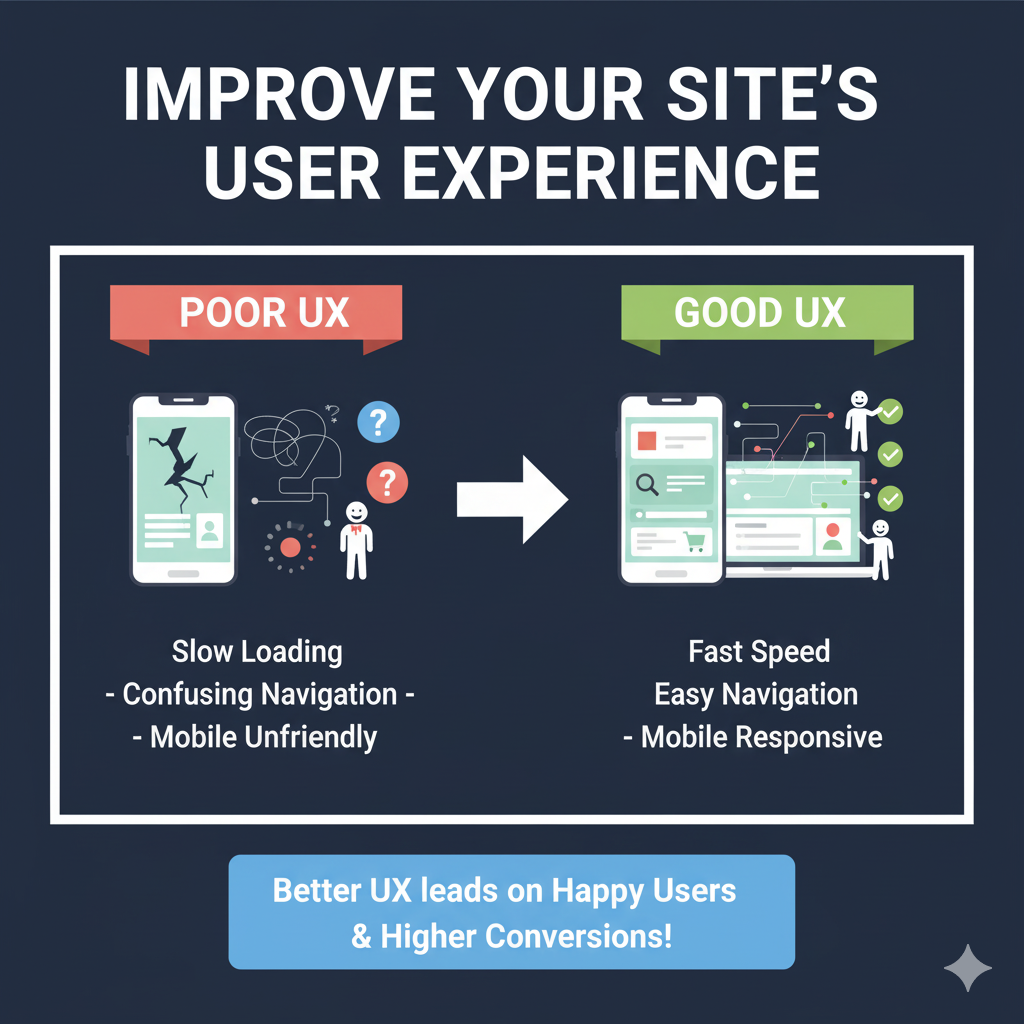
User experience directly affects SEO rankings as search engines prioritize websites that provide excellent visitor satisfaction. Google’s algorithms analyze behavioral signals, including click-through rates, dwell time, and bounce rates, to consider content quality and relevancy. Websites with intuitive navigation, clear information architecture, and user-friendly attributes always top competitors with poor UX design.
Mobile optimization has become non-negotiable, with most searches occurring on mobile devices and Google implementing mobile-first indexing. Responsive web design ensures your website performs seamlessly across all screen sizes and devices. Fast-loading pages, readable fonts, and easily clickable buttons enhance mobile user experience and prevent visitors from abandoning your site.
Search experience optimization (SXO) combines traditional SEO principles with UX best practices to create websites that appeal to both search engines and users. This holistic approach focuses on understanding search intent, creating high-quality content, mastering technical optimization, and polishing UI/UX elements. Websites that provide users with a seamless journey from search query to conversion achieve higher rankings and increase revenue through organic traffic.
Optimize Your Site’s Loading Speed
Page load speed is a confirmed ranking factor on both desktop and mobile platforms, so it’s important for SEO success to make sure your pages load quickly. Google says that pages that load very slowly will be ranked lower, while pages that load quickly will be ranked higher in search results. More than 53% of people who use the internet leave sites that take longer than three seconds to load, according to research.
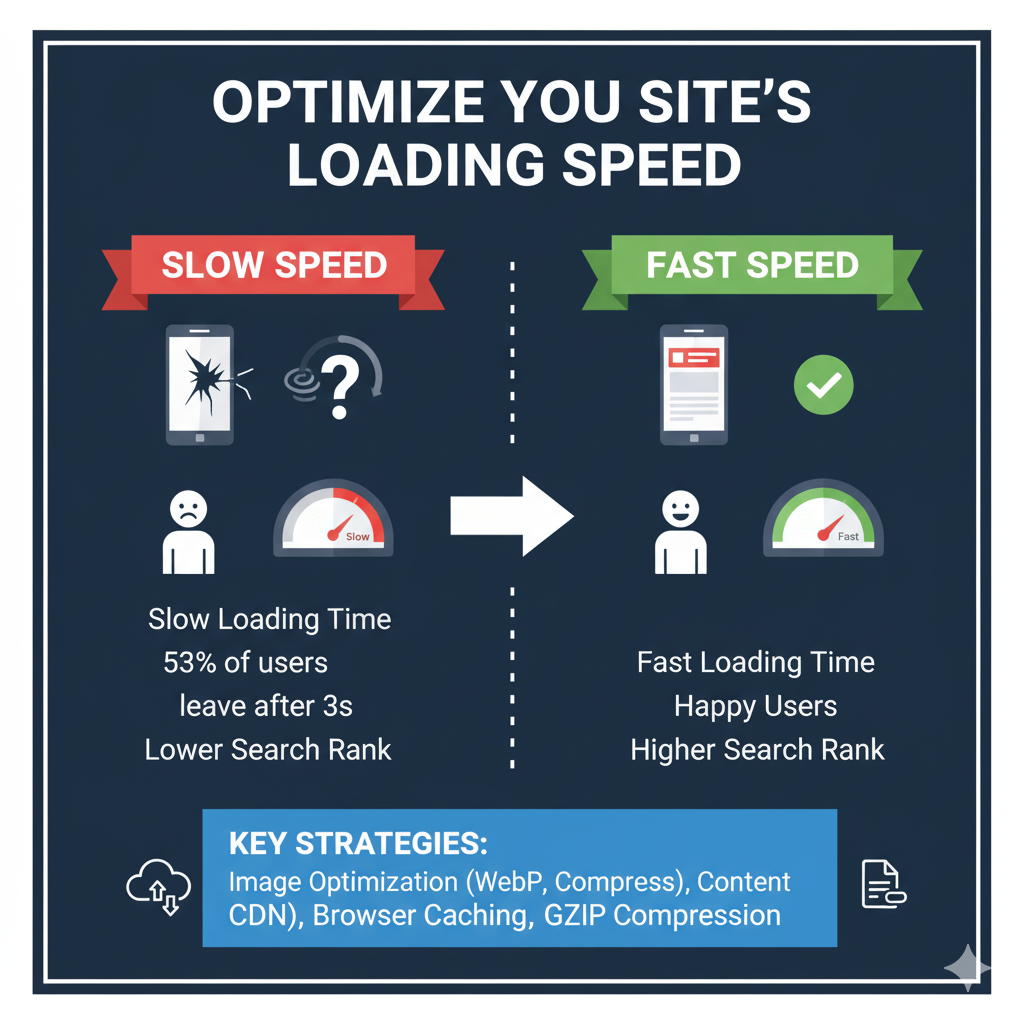
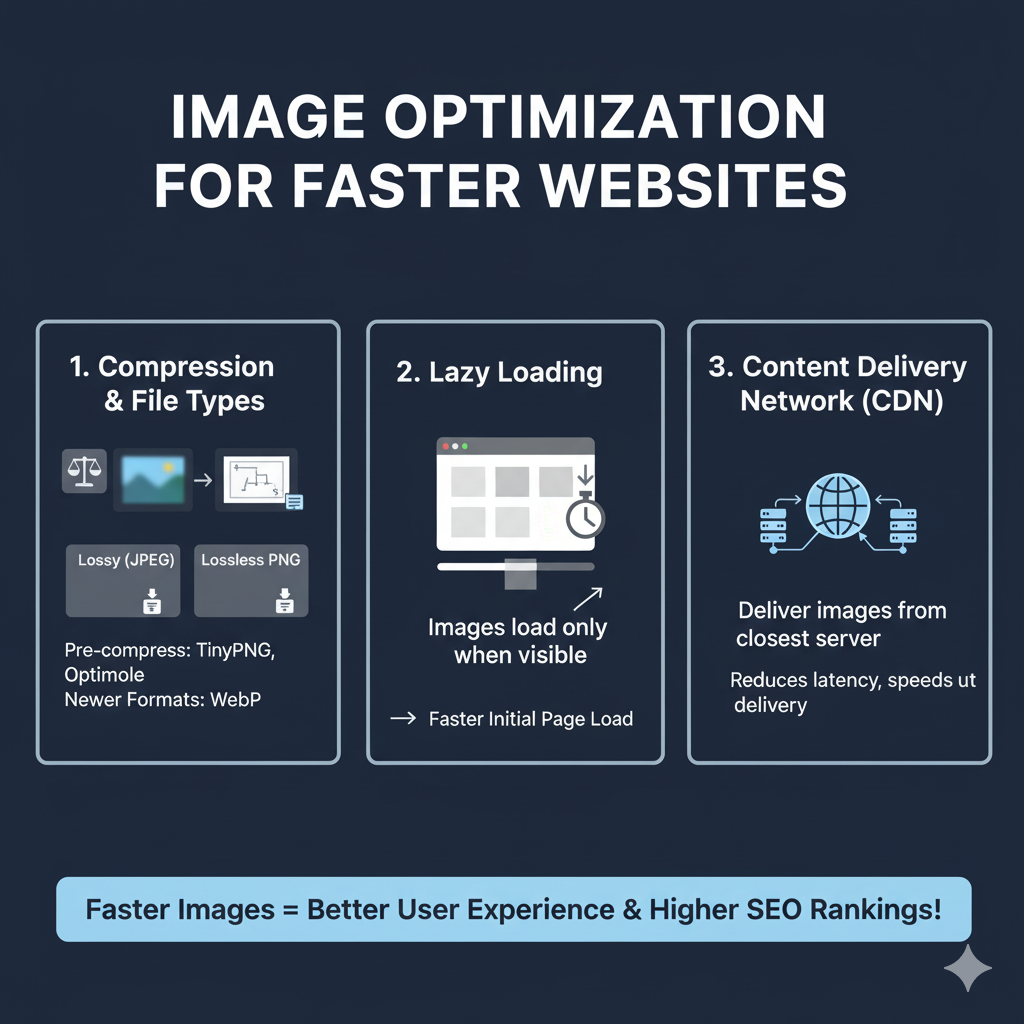
Image optimization is one of the best ways to speed things up because images make up about half of the total page weight. Using tools like TinyPNG or Optimole to compress images makes files smaller without losing a lot of quality. Using next-generation image formats like WebP combines better compression with keeping the quality of the images.By storing website resources on servers all over the world.
Content Delivery Networks (CDNs) make loading times much faster. When people visit your site, the content loads from the server that is closest to them. This cuts down on latency and speeds up load times. Other ways to speed up your website include using GZIP compression, reducing HTTP requests, lazy loading images and videos, and caching in the browser.
Track Your Results With The Google Search Console
Google Search Console is a free set of tools that are very useful for monitoring your website’s performance in search results, identifying technical issues, and improving its visibility in Google Search. The Performance report shows important numbers like impressions, clicks, average position, and click-through rates over different time periods. You can figure out which queries bring in traffic and which pages do the best by looking at these metrics.
The Search Results section lets you look at data from the past 28 days, three months, six months, or one year in great detail and compare it to data from previous periods to find trends. Looking at the top queries sorted by impressions and clicks shows you what kinds of content you could make and how well specific keywords are doing—the Pages tab shows which URLs get the most clicks and where you should focus your optimization actions.
Checking the Indexing section regularly can help you find pages that Google hasn’t indexed and figure out why there are problems with indexing. Checking the status of your sitemap submission ensures that Google has recently crawled your content. The Experience section gives you information about HTTPS security, Core Web Vitals performance, and how easy it is to use on mobile devices. The Links section shows you your best external and internal linking patterns.
Optimize Images for SEO
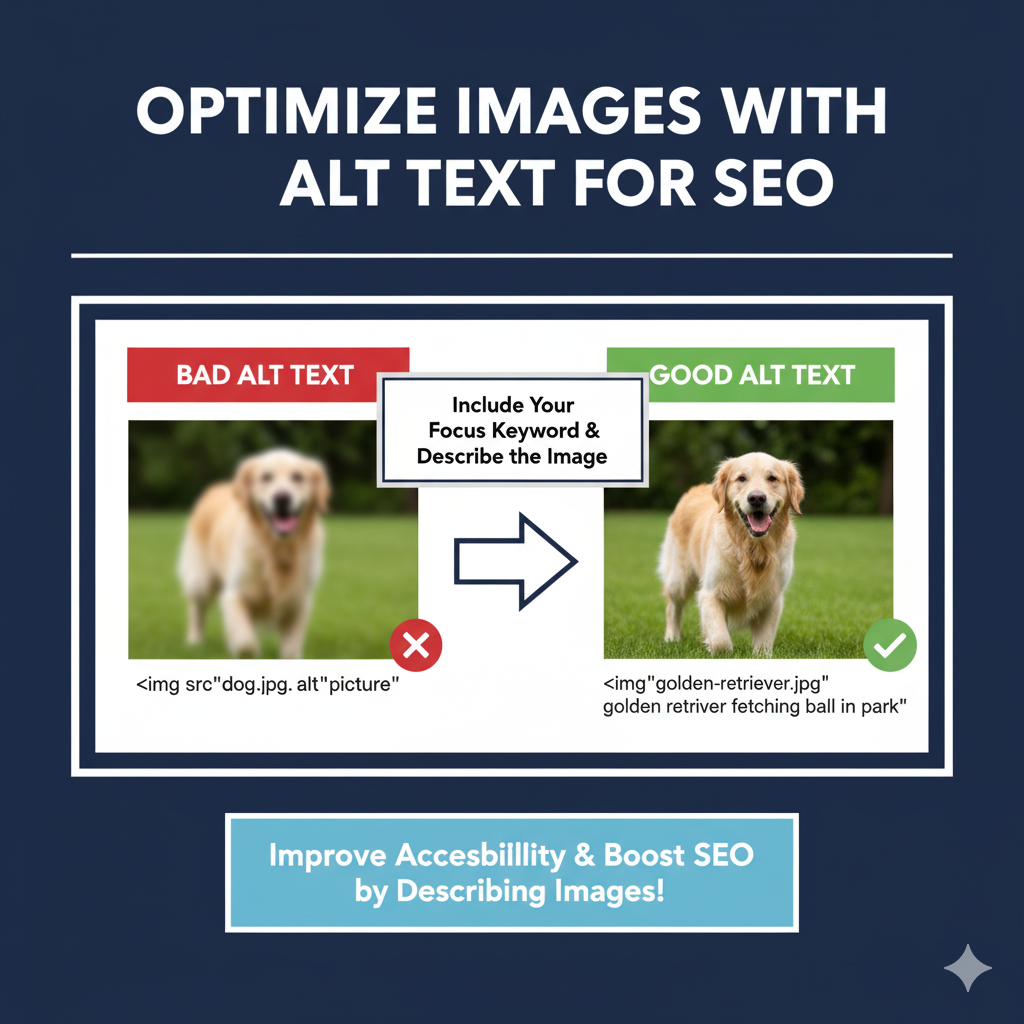
Image optimization includes a number of methods that make pages load faster, improve the user experience, and make them easier to find in search engines. Alt text has two functions: it tells screen readers what the images are about for people who can’t see them, and it helps search engines understand what the images are about so they can rank them in image search results. Alt text that is descriptive and short (less than 125 characters) makes things easier to use and naturally includes relevant keywords without cramming.
Add your focus keyword to the alt text of an image when it makes sense and is relevant to the content. Don’t stuff keywords into every image’s alt attributes, though. Google punishes sites that stuff keywords into alt text and may even call them spam. If you have decorative images that don’t give any useful information, use empty alt attributes (alt=””) so that screen readers don’t read them at all.
Choosing the right file types and compression levels is part of an image. JPEG and other lossy compression formats make files much smaller but lose a little quality. Lossless compression keeps the original quality even when files are bigger. Pre-compressing images before uploading them and serving them in newer formats like WebP improves both quality and speed. With image lazy loading, images only load when users scroll down to see them. This cuts down on the time it takes for pages to load at first.
Use Internal Linking
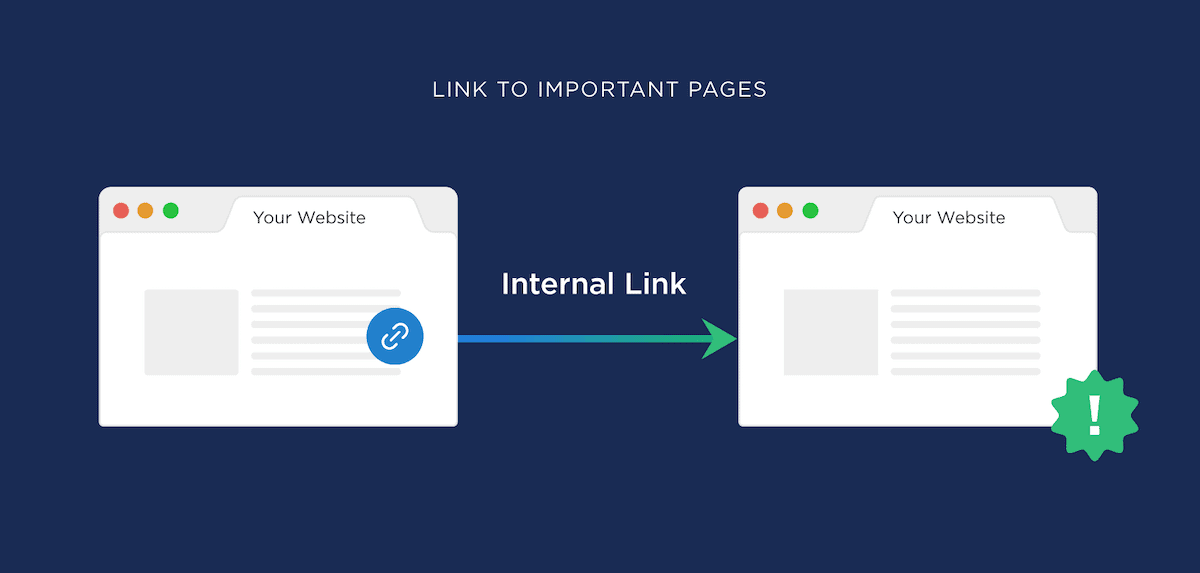
Internal linking creates strategic connections between pages within your domain, distributing authority and helping search engines understand your site structure and content relationships. When high-authority pages link to newer or underperforming pages, they transfer link equity and boost the receiving page’s ranking potential. This practice proves especially valuable for new content lacking external backlinks or existing internal links.
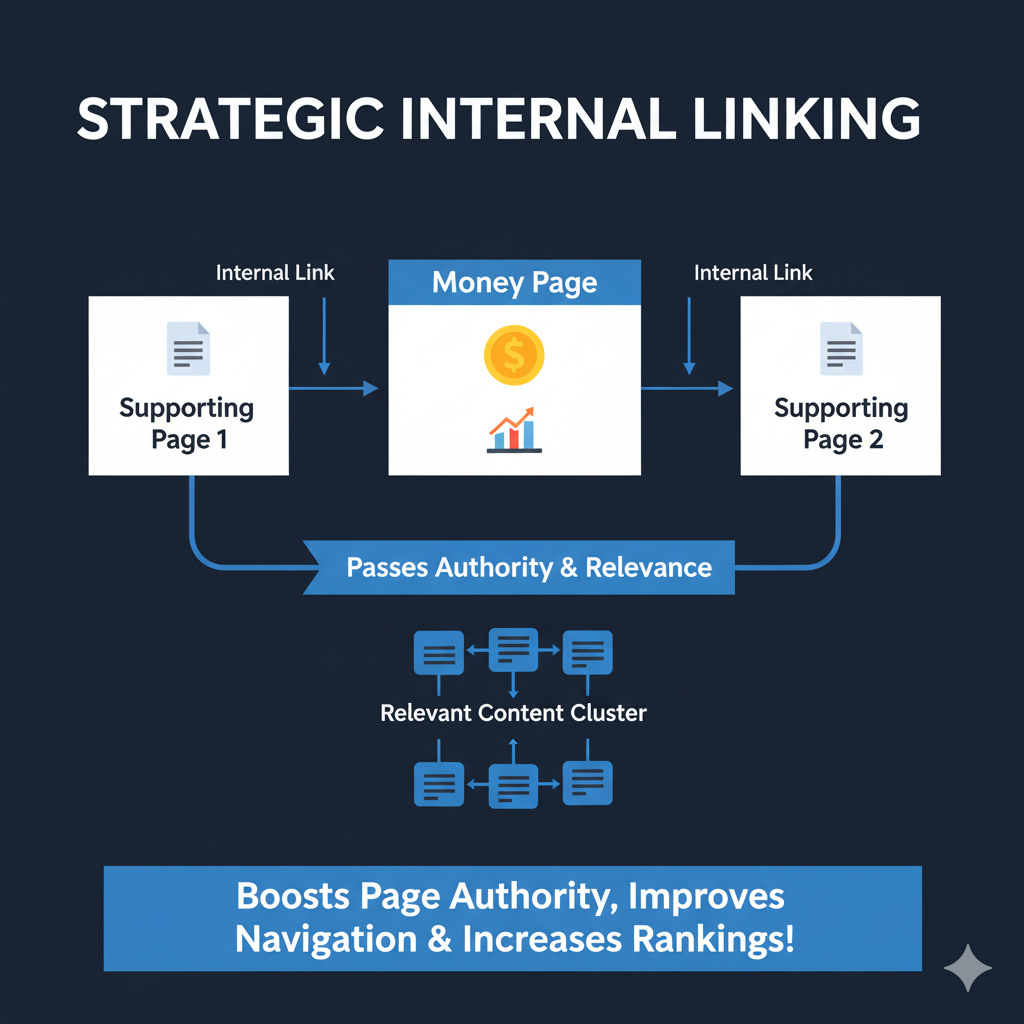
Building an effective internal linking strategy begins with identifying your most valuable content based on conversion rates, organic traffic, engagement metrics, and competitive keyword targeting. These high-performing pages should form the foundation of your linking structure, with pathways connecting them to related content throughout your site. Creating clear topical clusters through internal linking helps search engines recognize your expertise in specific subject areas.
Contextual relevance remains paramount when establishing internal links between pages. Links should connect genuinely related content rather than forcing connections between unrelated topics. Regularly audit your site for broken internal links and ensure new pages receive internal links from established content to prevent them from becoming orphan pages. Navigational links enhance site structure and improve user experience by creating intuitive pathways through your content.
Publish Amazing Content
Content quality remains the definitive ranking factor, with search engines rewarding well-written, informative material that provides comprehensive coverage of topics. Long-form content exceeding 2,000 words that thoroughly addresses user queries consistently ranks higher than superficial treatments of subjects. Google’s E-A-T principle (Expertise, Authoritativeness, Trustworthiness) evaluates whether content demonstrates genuine expertise and originates from credible sources.
Creating content based on actual user questions ensures your material directly addresses search intent and provides value to readers. Tools like Google’s People Also Ask feature reveal common queries related to your topics, guiding content development toward questions your audience actively seeks answers for. Structuring content to answer these questions thoroughly establishes your authority and improves ranking potential.
Write primarily for human readers rather than search engines, using target keywords naturally without sacrificing readability. Content that sounds robotic or overly optimized for algorithms increases bounce rates and damages long-term SEO performance. Focus on creating one comprehensive piece addressing a single subject rather than attempting to cover multiple disconnected keywords in the same article. Regular content updates maintain relevance and continue attracting backlinks over time.
Build Backlinks To Your Website
Backlink building remains fundamental to SEO success, with high-quality links from authoritative websites significantly boosting domain authority and search rankings. Focus on acquiring backlinks from reputable sources within your industry rather than pursuing quantity over quality. Links from trusted, relevant websites carry substantially more SEO weight than numerous low-quality links from unrelated domains.
Guest posting on established websites in your niche provides valuable backlink opportunities while exposing your brand to new audiences. Write comprehensive, problem-solving articles that naturally include links back to relevant content on your website. Target websites where your ideal audience actively engages, ensuring your guest contributions reach people genuinely interested in your expertise.
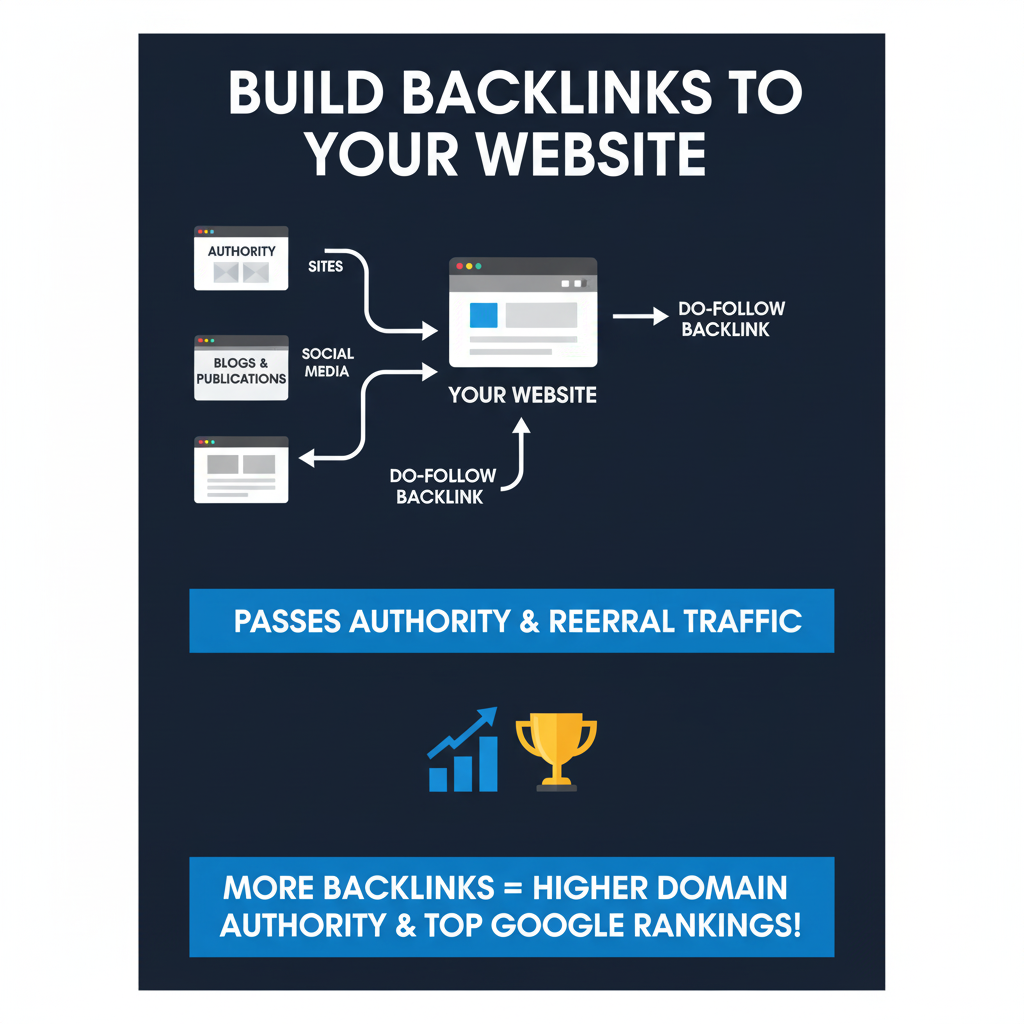
Broken link building offers a mutually beneficial strategy with approximately 17% success rates and minimal effort requirements. Identify broken links on relevant websites using tools like Ahrefs or Check My Links, then reach out to site owners offering your content as a suitable replacement. Additional effective strategies include creating in-depth evergreen guides exceeding 2,000 words that naturally attract backlinks, reverse engineering competitor backlink profiles to identify linking opportunities, and leveraging local SEO through directories and community organizations.
Conclusion
Implementing these ten SEO best practices creates a comprehensive optimization strategy that addresses technical performance, content quality, and user experience simultaneously. Success requires consistent effort across keyword optimization, technical improvements, content creation, and relationship building for backlinks. Regular monitoring through Google Search Console allows you to track progress, identify opportunities, and refine your approach based on actual performance data. By prioritizing both search engine requirements and user satisfaction, your website will achieve sustainable organic growth and establish lasting digital authority in your industry.