SEO Keywords are the specific words and phrases people type into search engines when looking for information, products, or services. They help search engines understand your content’s topic and match it to user intent. Choosing the right keywords boosts your website’s visibility and attracts targeted traffic. Smart keyword placement in titles, headings, and content improves ranking potential. In short, SEO keywords are the foundation of every successful digital marketing and content strategy.
What are SEO Keywords?
(SEO), keywords are the words and phrases people type into search engines (like Google Keyword Planner, Bing etc) when looking for something.
When you optimise content with the right keywords, you’re basically signalling to search engines “Hey – this page is relevant when someone searches for these phrases.”
In practical terms: if someone types “best digital marketing agency in india”, your blog or landing page targeting that phrase stands a better chance of appearing in search than one that doesn’t consider that phrase.
Why are SEO Keywords Important?
Here are the big reasons you want to nail keyword strategy:
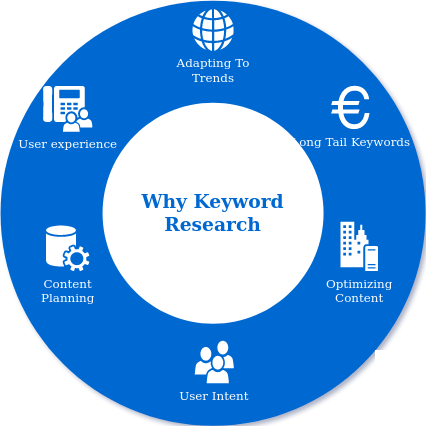
- Visibility & relevance: Keywords help search engines figure out what your content is about, and match it to real-user queries.
- Targeted traffic: If you use keywords that reflect what your audience is searching for, you’ll attract users who intend to find exactly what you offer—better conversion potential.
- Competitive edge: Especially with long-tail or less obvious keywords, you get to compete in niches where big players may not dominate.
- Content strategy anchor: Keywords drive what topics you write about, what kind of pages you build, how you organise your site. Without them your content is guessing.
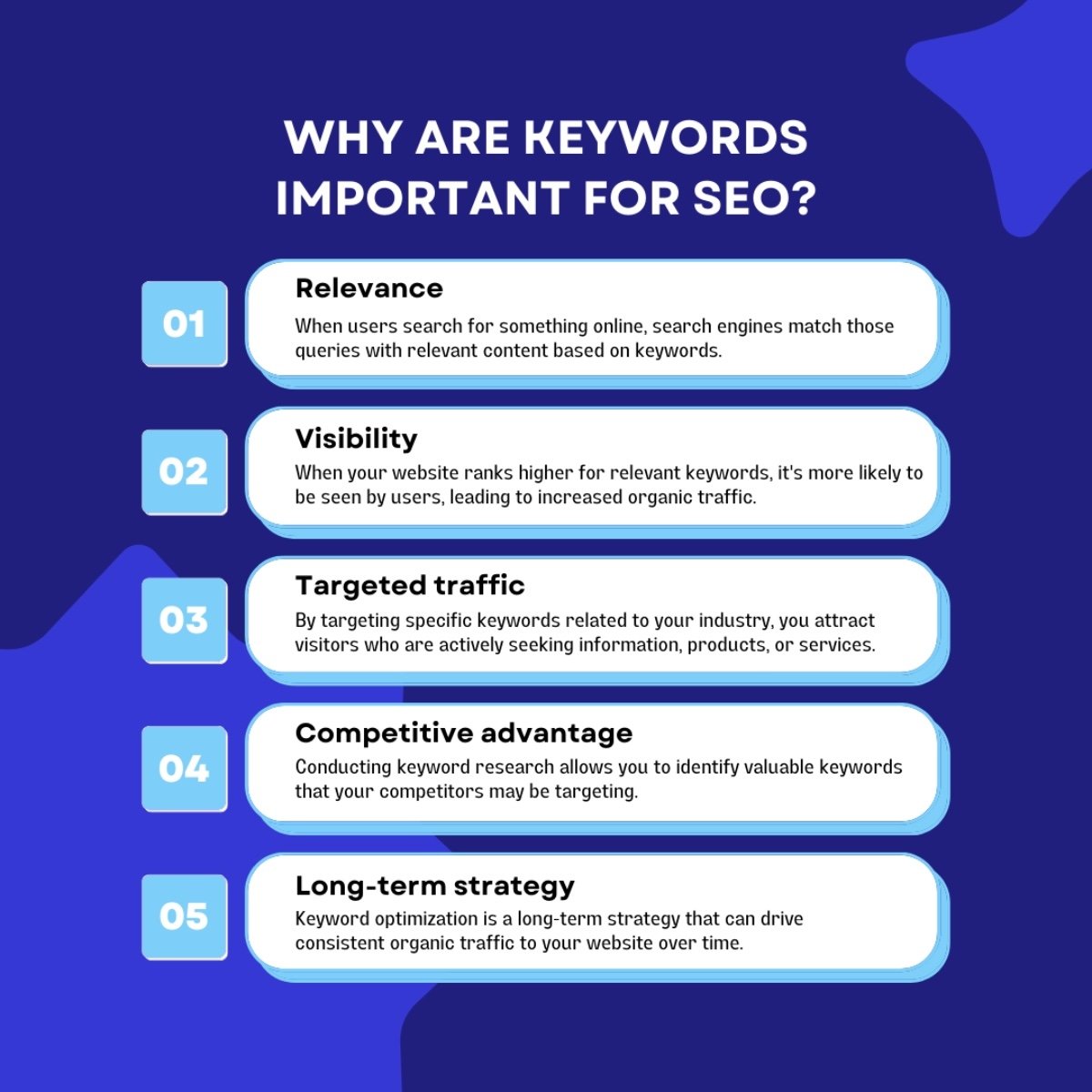
In short: if you ignore keywords, you may produce great content – but you’ll miss out on meeting how people actually search. And that’s missing traffic, leads, conversions.
Best Practices
Here are proven tactics to implement immediately (you know me – like hustle meets strategy).
Use Google Suggest
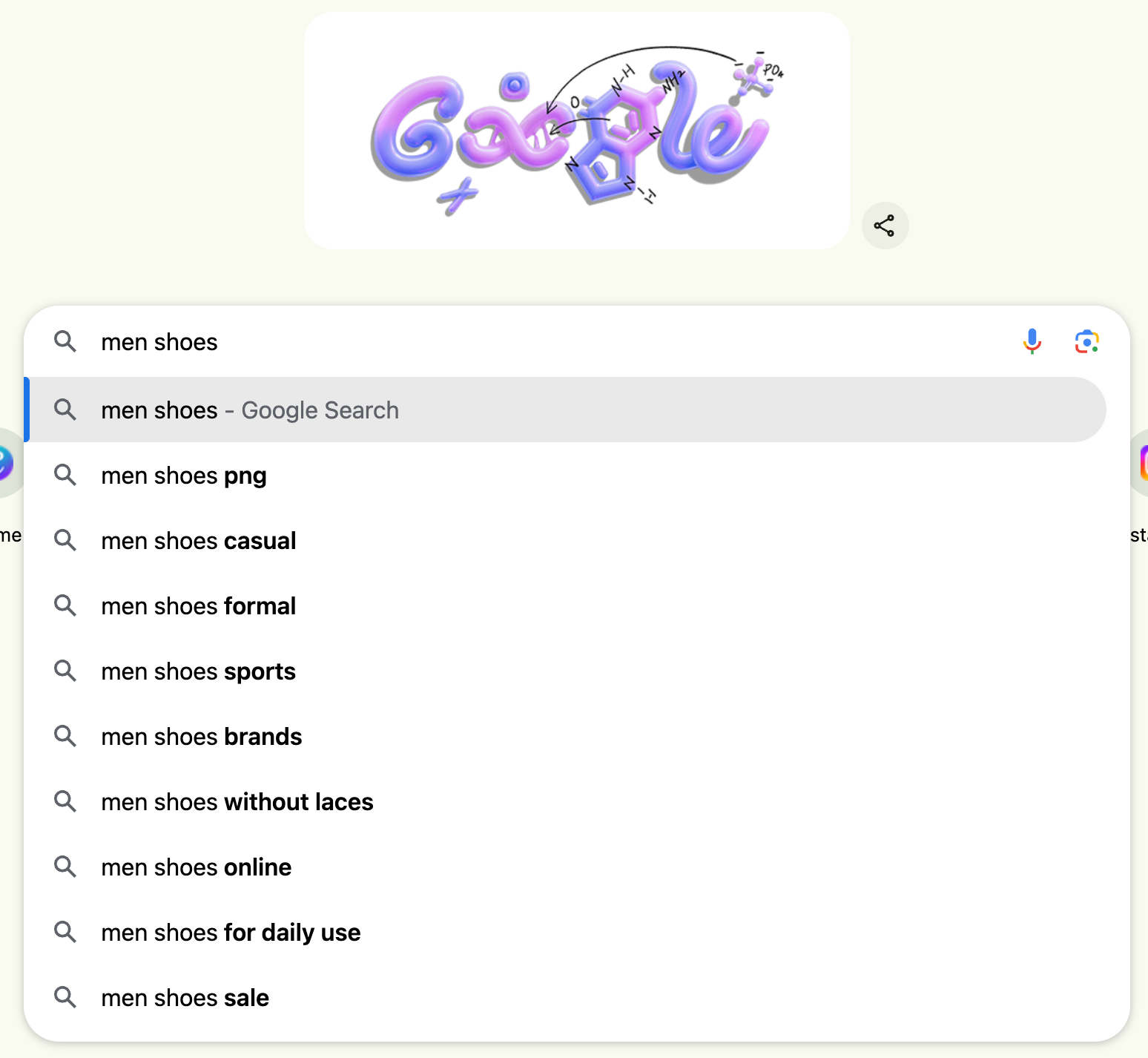
Google Suggest (the autocomplete feature you see when typing in Google’s search bar) is one of the most underrated keyword tools. It gives you real, user-generated phrases based on actual search activity — no guesswork. Start typing your seed keyword (e.g. protein powder, real estate marketing, or Salesforce automation), and note the dropdown suggestions.
Tip: Add letters (A-Z) or words like “best,” “cheap,” “how,” or “near me” after your main keyword to uncover long-tail variations. These long-tail keywords often carry less competition but higher purchase intent.
Find Question-Based Keywords With Two Free Tools
People search in question form all the time — and answering these questions through your content builds authority and trust. Use tools like AnswerThePublic and AlsoAsked.com to discover these queries.
For example, type “SEO keywords” into AnswerThePublic, and you’ll get dozens of real questions like “How to use SEO keywords in content?” or “Why are SEO keywords important?”
Tip: Create FAQ sections or blog subheadings based on these questions. This not only improves engagement but can help your page win featured snippets (the “People Also Ask” boxes on Google).
Use Amazon to Find Ecommerce Keywords
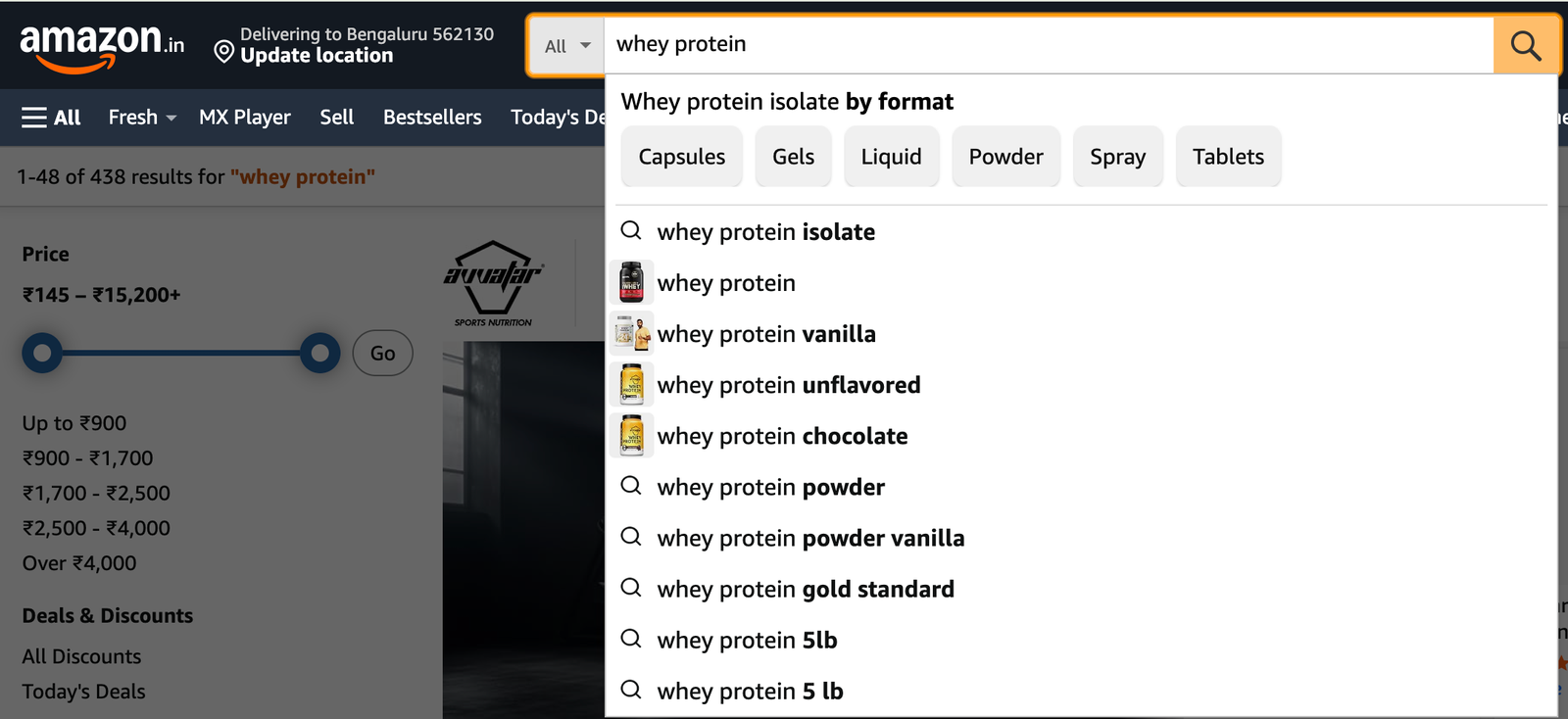
If you sell products online — whether supplements, gadgets, or fashion — Amazon is your keyword goldmine. When you type a keyword in Amazon’s search bar, it shows suggestions that reflect how buyers phrase their searches.
Example: Typing “whey protein” may suggest “whey protein isolate for beginners,” “chocolate whey protein for gym,” etc. These long-tail keywords represent real buyer intent, helping you target profitable micro-niches.
Also, check the “Customers Also Bought” and “Product Titles” for keyword inspiration — those often contain high-converting search phrases.
Find Search Volume & CPC Data With Google Keyword Planner
Google Keyword Planner (inside Google Ads) gives you quantitative data — monthly search volume, competition level, and cost-per-click (CPC). This helps you prioritise keywords that balance volume with achievability.
Tip: Use filters to find keywords with medium competition and high intent (like “buy,” “hire,” or “best”). High CPC keywords usually signal commercial value — they show what businesses are actually bidding on.
Discover Popular Keywords With Google Trends
Google Trends helps you see keyword popularity over time — whether interest is rising, stable, or seasonal. For instance, searches for “gym membership” spike every January, while “weight loss protein” peaks before summer.
Use BuzzSumo to Find Topics & Keywords
BuzzSumo goes beyond keywords — it shows which topics and articles are performing best across social platforms. Enter your keyword, and you’ll see which headlines, formats, and themes are resonating with audiences.
Tip: Filter by engagement type (Facebook shares, LinkedIn mentions, etc.) to understand where your audience hangs out and what type of content they share most. Then, build SEO-focused blogs around those insights for double exposure — organic + social.
Double-Down on Keywords You Already Rank For
Your current rankings are your hidden gold. Go to Google Search Console, open the “Performance” tab, and check which keywords already bring impressions but haven’t hit the top 3 spots.
Tip: Optimise those pages — add more depth, internal links, or visuals targeting those phrases. A 10% improvement in existing pages often brings faster results than chasing new keywords.
This “compound SEO” approach helps you grow traffic efficiently by leveraging what’s already working.
How to Use SEO Keywords in Your Content
- Title tag & H1: Use your primary keyword in the title (and H1 if possible) while keeping it natural.
- URL & Meta description: If it makes sense, include the keyword (don’t force it).
- First 100 words: Mention your keyword early on but naturally.
- Sub-headings (H2/H3): Use variations or related keywords.
- Body content: Write for humans — use your keyword where it fits, add synonyms/variants (semantic keywords) so you don’t sound robotic.
- Alt text & images: Use keywords in alt text where appropriate, especially for visual content.
- Internal links: Link relevant pages using anchor text that includes your keyword, where it’s natural.
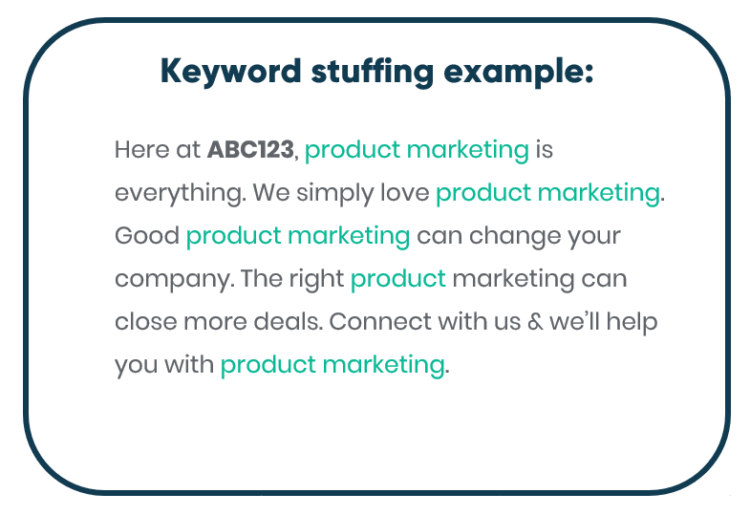
- Avoid keyword stuffing: Repeating the same keyword unnaturally harms rather than helps. Search engines are smarter now.
Final Thought
Keywords aren’t just a checkbox in your SEO list—they’re the bridge between what your audience is searching for and what you deliver. By doing smart keyword research (via Google Suggest, Amazon, BuzzSumo, Google Trends, Keyword Planner) and then embedding those keywords into content in a natural and helpful way, you position your site (and your client sites) to attract relevant traffic, increase conversions and stay sustainable.