SEO performance and SEO results show two sides of the same story: performance tells you how your SEO efforts are trending, while results prove what those efforts deliver in traffic, rankings, and revenue. Understanding both is essential if you want to prioritize the right actions, justify budgets, and consistently grow organic revenue.
SEO Performance vs. SEO Results
SEO performance focuses on how your organic visibility is evolving over time, while SEO results focus on the concrete, measurable outcomes your SEO work produces.
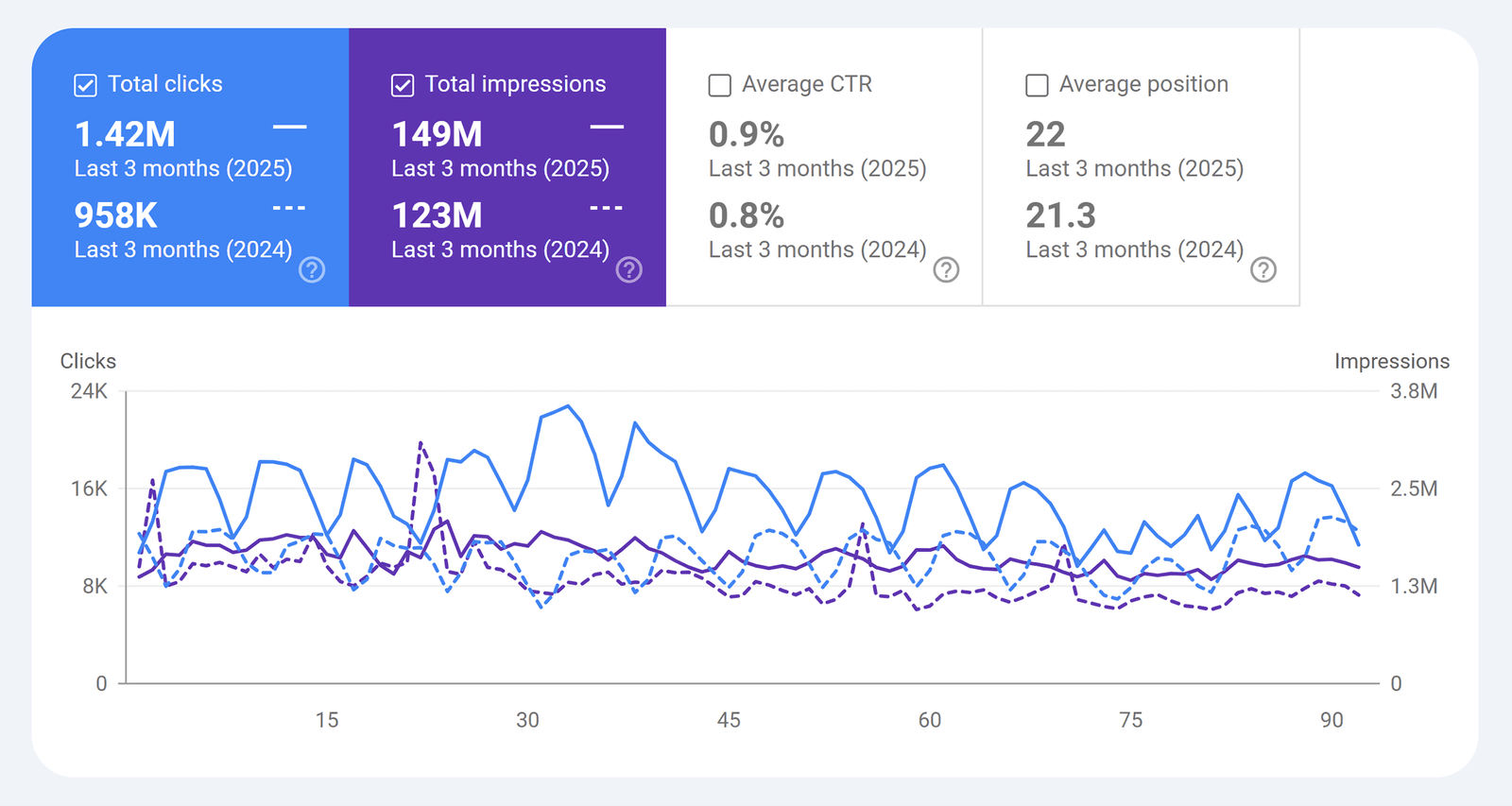
- SEO performance emphasizes trends in organic traffic, keyword growth, and impressions and clicks so you can spot opportunities and issues early.
- SEO results emphasize exact numbers like total organic sessions, top keyword rankings, and conversions or leads from organic search, which are used to prove ROI.
What Is SEO Performance?
SEO performance is the ongoing health and trajectory of your organic presence across search engines. It answers whether your site is becoming more visible, more engaging, and more technically sound for searchers over time.
Key metrics for evaluating SEO performance include:
- Organic traffic trends
- Track organic sessions or users month over month and year over year to see whether visibility is rising, stagnating, or declining.
- Segment by landing page, device, and location to understand which areas are driving or dragging performance.
- Keyword growth
- Monitor the total number of ranking keywords, plus how many move into the top 3, top 5, and top 10 positions over time.
- Look for steady growth in non‑branded keywords to confirm that content and authority improvements are working.
- Impressions and clicks
- Use Google Search Console to track impressions (how often your site appears in search) and clicks (how often users visit from those searches).
- Watch click‑through rate (CTR) trends to gauge how compelling your titles and meta descriptions are for target queries.
What Are SEO Results?
SEO results capture the concrete, outcome-focused metrics that stakeholders use to judge success, especially around leads, sales, and revenue. These metrics translate SEO performance into business value.
Important SEO results metrics include:
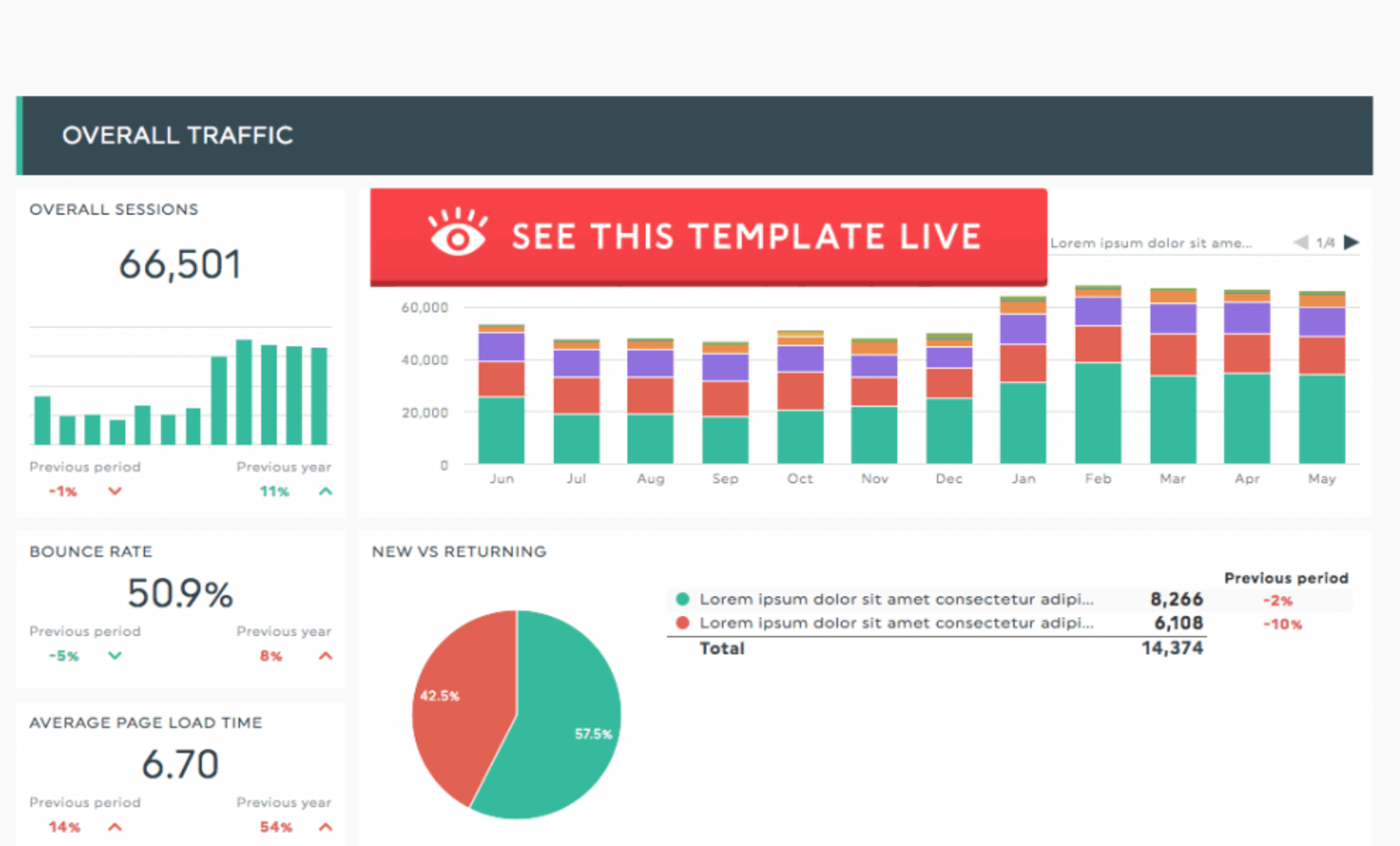
- Exact organic traffic numbers
- Report total organic sessions or users for specific periods (e.g., this month, last month, last quarter) to show scale.
- Break out branded vs. non‑branded organic traffic to highlight demand generation vs. brand awareness.
- Number of keywords ranking in top positions
- Count how many keywords rank in the top 3, top 5, and top 10 to illustrate your competitive strength on the SERP.
- Highlight movements of high‑intent keywords into these top positions because they usually drive more qualified traffic.
- Conversions or leads from organic search
- Track form fills, sign‑ups, demo requests, calls, or purchases attributed to organic traffic as core outcome metrics.
- Measure conversion rate from organic sessions to conversions to understand the quality and intent of your SEO traffic.
Why Measuring SEO Results Matters
Measuring and tracking SEO results is critical for both strategy and stakeholder alignment. Without it, SEO becomes guesswork instead of a predictable acquisition channel.
- Proves ROI and secures budget
- Connecting organic traffic and conversions to revenue helps justify ongoing investment in content, links, and technical improvements.
- Clear results give leadership confidence that SEO is a scalable, compounding channel, not a cost center.
- Guides smarter decisions and prioritization
- Knowing which pages, keywords, and topics drive the most valuable conversions helps prioritize future content and optimization work.
- Tracking results over time also reveals which experiments paid off and which should be dropped or reworked.
Top 6 Metrics for Evaluating SEO Results
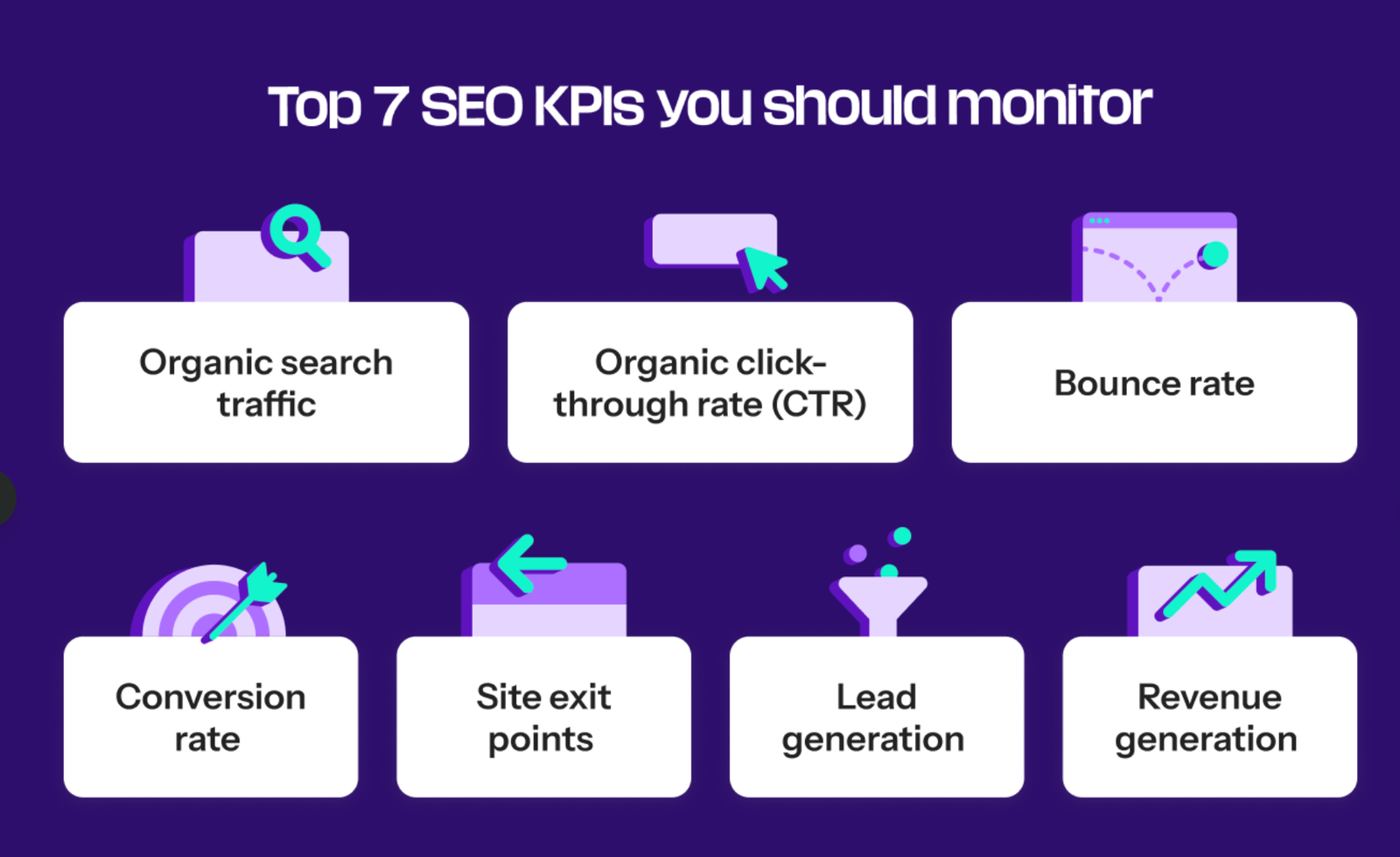
These six metrics are a solid framework for understanding both your SEO performance and the results that matter most to the business. Each metric tells part of the story; together they provide a complete picture of search impact.
1. Organic Traffic
Organic traffic is the number of users or sessions coming to your site from unpaid search results. It is often the first metric stakeholders look at when evaluating SEO growth.
- Track overall organic sessions, then segment by country, device, and landing page to uncover growth pockets and weak areas.
- Compare current performance against previous periods (MoM, YoY) to account for seasonality and gauge true progress.
2. Keyword Rankings
Keyword rankings measure where your pages appear in search results for specific queries. Strong rankings for high‑intent keywords usually translate into more valuable organic traffic.
- Track the number of keywords in top 3, top 5, and top 10 positions to understand SERP dominance.
- Monitor ranking changes after publishing new content, optimizing pages, or building backlinks to validate impact.
3. Semrush Traffic Cost
Semrush traffic cost estimates how much you would need to spend on paid search to buy the same traffic you earn organically. It is a powerful proxy for the monetary value of your SEO efforts.
- As your rankings and organic traffic grow, traffic cost typically rises, signaling greater savings compared to pay‑per‑click ads.
- Reporting this value helps non‑technical stakeholders understand SEO’s financial impact in familiar advertising terms.
4. Search Engine Visibility
Search engine visibility reflects how often your site appears in search and how high it ranks overall, typically expressed as a percentage or index score. High visibility indicates strong coverage and rankings for your keyword set.
- Use visibility scores from SEO tools to track overall SERP share across hundreds or thousands of target keywords.
- Rising visibility often precedes major traffic gains, making it a useful early indicator of positive performance.
5. Clicks and Impressions
Clicks and impressions data from Google Search Console reveal how visible your site is and how effectively users are choosing it over competitors. CTR bridges the gap between these metrics by indicating how compelling your search snippets are.
- Increasing impressions suggest growing visibility, even if clicks lag, which may indicate a need to improve titles, descriptions, or schema.
- Tracking CTR by query and page uncovers quick‑win opportunities where small snippet tweaks can drive more traffic.
6. Conversions
Conversions are the ultimate proof of SEO impact because they tie organic visits to leads, sales, or other key business actions. This metric moves SEO discussions from traffic volume to revenue contribution.
- Define meaningful goals such as purchases, sign‑ups, demo requests, or contact form submissions from organic users.
- Track both total conversions and conversion rate from organic traffic, then compare to other channels to evaluate channel quality.
3 Common SEO Measurement Challenges (and Solutions)
Even with the right metrics, many teams struggle to measure SEO in a way that is both accurate and actionable. Addressing these challenges is key to making SEO a reliable growth engine rather than a black box.
1. Relying on Basic Analytics Tools
Issue: Relying only on basic analytics (like standard Google Analytics views) limits insight into rankings, SERP features, and competitor performance. You may see a traffic drop but not know whether it was caused by algorithm updates, competitor moves, or technical issues.
Solution:
- Add specialized SEO platforms such as Semrush, Ahrefs, or similar tools to track rankings, visibility, backlinks, and SERP changes.
- Combine data from analytics and SEO tools to connect user behavior with search performance and technical health.
2. Missing the Full Picture of Search Performance
Issue: Focusing only on visits and conversions can hide issues with content quality, user engagement, and technical performance. Metrics like bounce rate, engagement time, Core Web Vitals, and crawl errors often go untracked in SEO reporting.
Solution:
- Expand your KPI set to include engagement metrics, page speed, Core Web Vitals, index coverage, and mobile usability.
- Use these metrics to prioritize technical fixes and UX improvements that indirectly boost rankings and conversions.
3. Not Connecting SEO Data to Business Impact
Issue: Reporting visits and rankings without tying them to revenue or customer value makes SEO seem like a vanity metric channel. This disconnect makes it hard to win executive support or scale budgets.
Solution:
- Map organic conversions to revenue using ecommerce tracking or CRM integrations, then calculate SEO’s contribution to total revenue.
- Track metrics like customer acquisition cost (CAC), lifetime value (LTV), and ROI specifically for organic traffic to quantify efficiency.
Learn More and Next Steps
To move from basic reporting to strategic SEO measurement, start with a core dashboard that includes organic traffic, keyword rankings, traffic cost, visibility, clicks and impressions, and conversions. Review it monthly, then layer on deeper metrics like engagement, Core Web Vitals, and organic revenue attribution as your program matures.
Over time, the goal is to turn SEO data into a feedback loop that continuously informs content strategy, technical priorities, and budget allocation. When performance metrics and results work together, SEO becomes a predictable, compounding channel that reliably drives growth.