
Introduction SEO Ranking Factors
Search engine ranking factors is not any magic trick — it’s a discipline. And in case you want your web page or blog to rank, you’ll want to take note of the underlying signals that search engines like google (specifically Google) use to determine. While there are hundreds of ranking factors, many professionals agree a middle set drives most of the effect. In this post, we’ll walk you through 10 of the most important ranking elements — what they mean, how you should approach them, and why they matter.
1. Content Quality
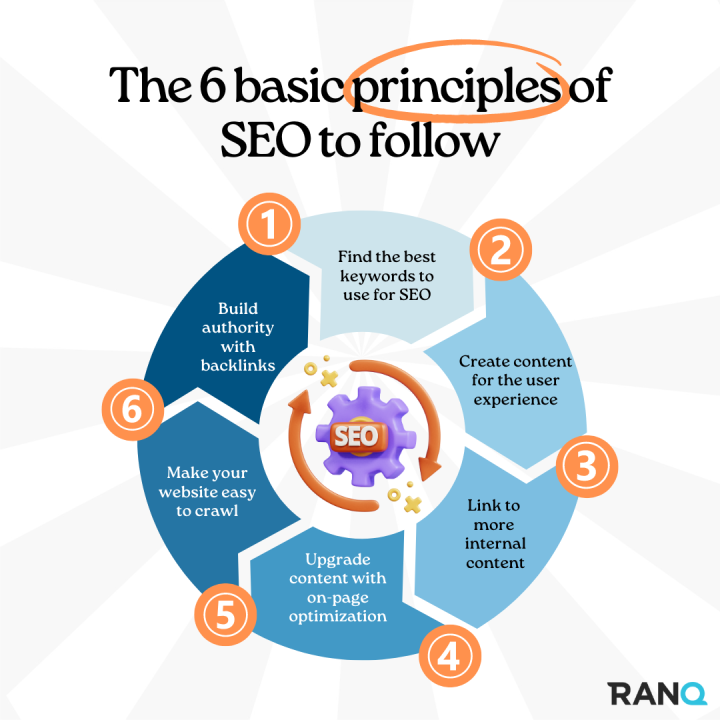
What it means: Your page must provide value — accurate, informative, well-written, engaging. Not just keyword-stuffed fluff. Experts note “high-quality content” is still at the heart of ranking.
Why it matters: Search engines aim to serve useful content to users; if your content doesn’t meet user expectations, your ranking will suffer.
Action tips:
- Write for humans first, search engines second.
- Use clear headings, bullet lists, visuals.
- Regularly update content to keep it fresh.
- Include evidence, examples, deeper insights (don’t just rehash common knowledge).
2. Content Uniqueness
What it means: The content you publish should add something new — new angle, original data, unique insights. Avoid content that merely duplicates what’s elsewhere.
Why it matters: Duplicate or low-originality content dilutes value, and search engines increasingly favour original contributions.
Action tips:
- Provide unique case studies, examples specific to your niche.
- Avoid re-publishing generic content without meaningful changes.
- Use canonical tags or indicate if you’re republishing content to manage duplicates.
3. Fully Crawlable Page
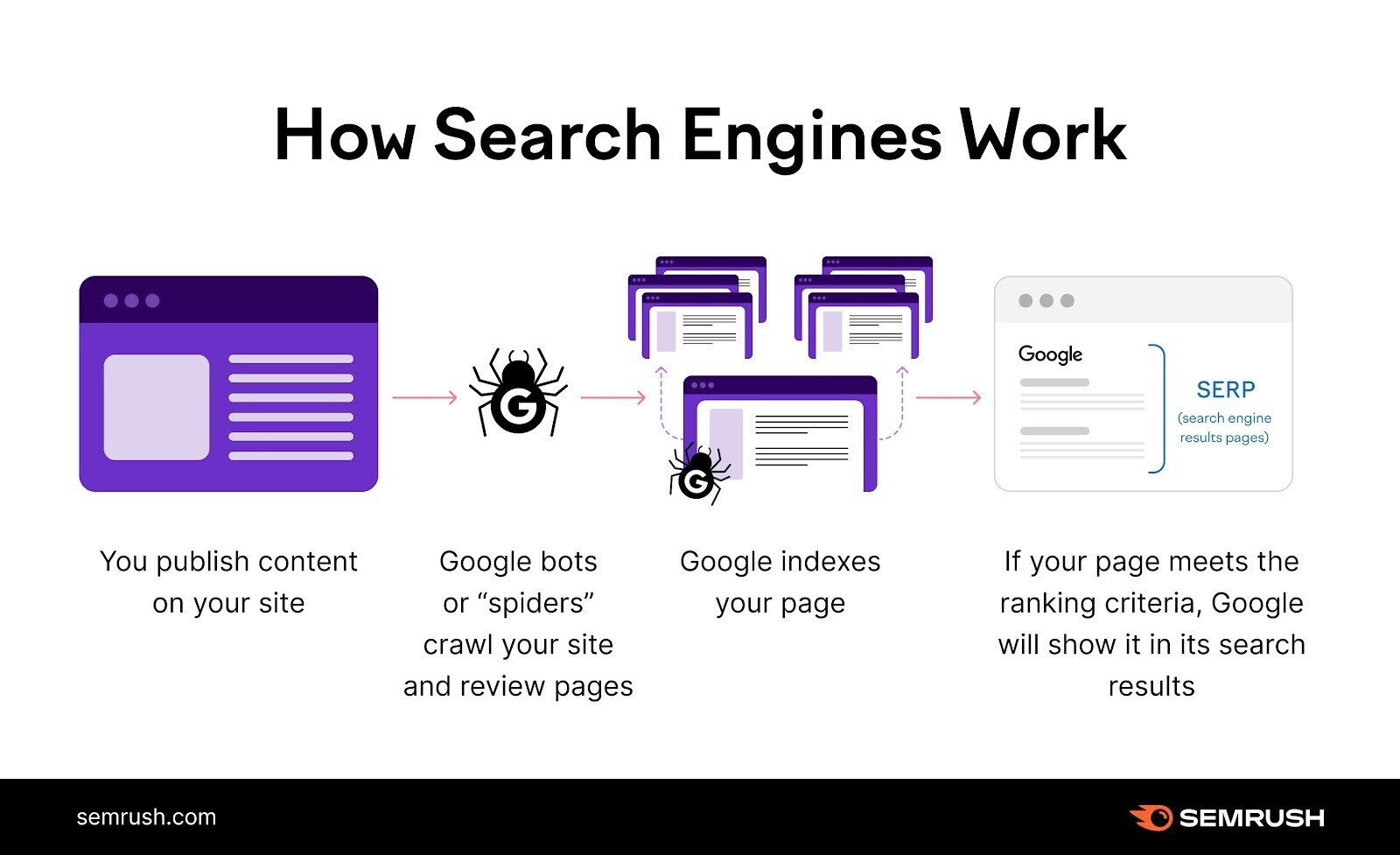
What it means: Search engine bots must be able to access (crawl) your page and index its content. If your site blocks bots or uses poor structure, you’ll hamper your ranking potential.
Why it matters: Even the best content won’t rank if search engines can’t find or interpret it. Technical SEO is foundational.
Action tips:
- Check robots.txt and sitemap.xml to ensure pages you want indexed are allowed.
- Use a logical URL and site-structure.
- Avoid overuse of heavy JavaScript or obscure navigation if it prevents crawlers.
- Use tools like Google Search Console to check indexing status.
4. Mobile Optimized Site
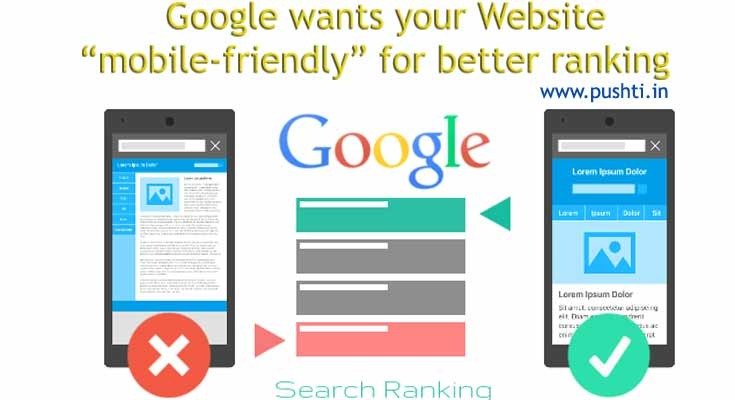
What it means: Your site must work well on mobile devices — good layout, readable text, fast loading, navigation that works on phones.
Why it matters: Google now uses mobile-first indexing: the mobile version of the page is considered primarily when ranking.
Action tips:
- Use responsive design (same URL, different layout) or dedicated mobile site (less preferred).
- Test with Google’s Mobile-Friendly Test.
- Ensure buttons, menus, forms are optimized for touch.
- Avoid intrusive interstitials on mobile.
5. Number of Backlinks
What it means: External websites linking to your site act as “votes” of confidence. The stronger and more relevant the linking sites, the better.
Why it matters: Backlinks continue to be a major ranking factor signalling authority and trust.
Action tips:
- Pursue links from reputable sites in your niche (not just any link).
- Avoid spammy link schemes or low-quality directories.
- Use internal linking as well to connect your own content.
- Monitor your backlink profile with tools like Ahrefs, Moz.
6. Domain Authority
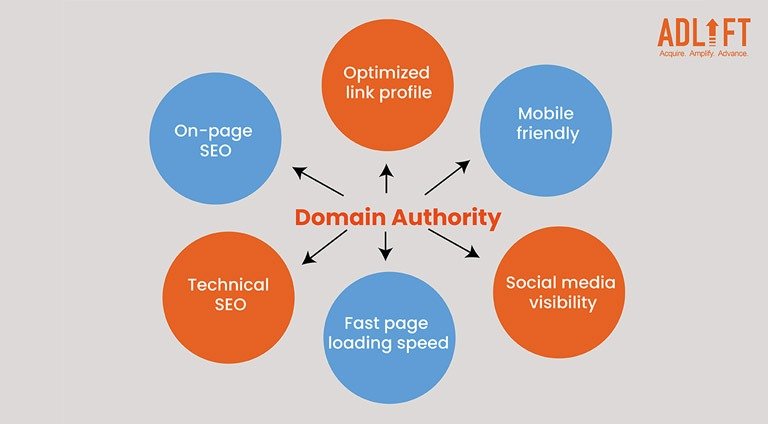
What it means: This is more of a heuristic than a public metric — it implies the overall strength/trustworthiness of your domain (based on age, links, reputation, content).
Why it matters: Sites with established authority tend to rank better for competitive queries.
Action tips:
- Build consistent, high-quality content over time.
- Earn links from strong domains.
- Improve user experience and brand trust (which indirectly strengthens domain authority).
- Be patient — authority builds gradually.
7. Anchor Text
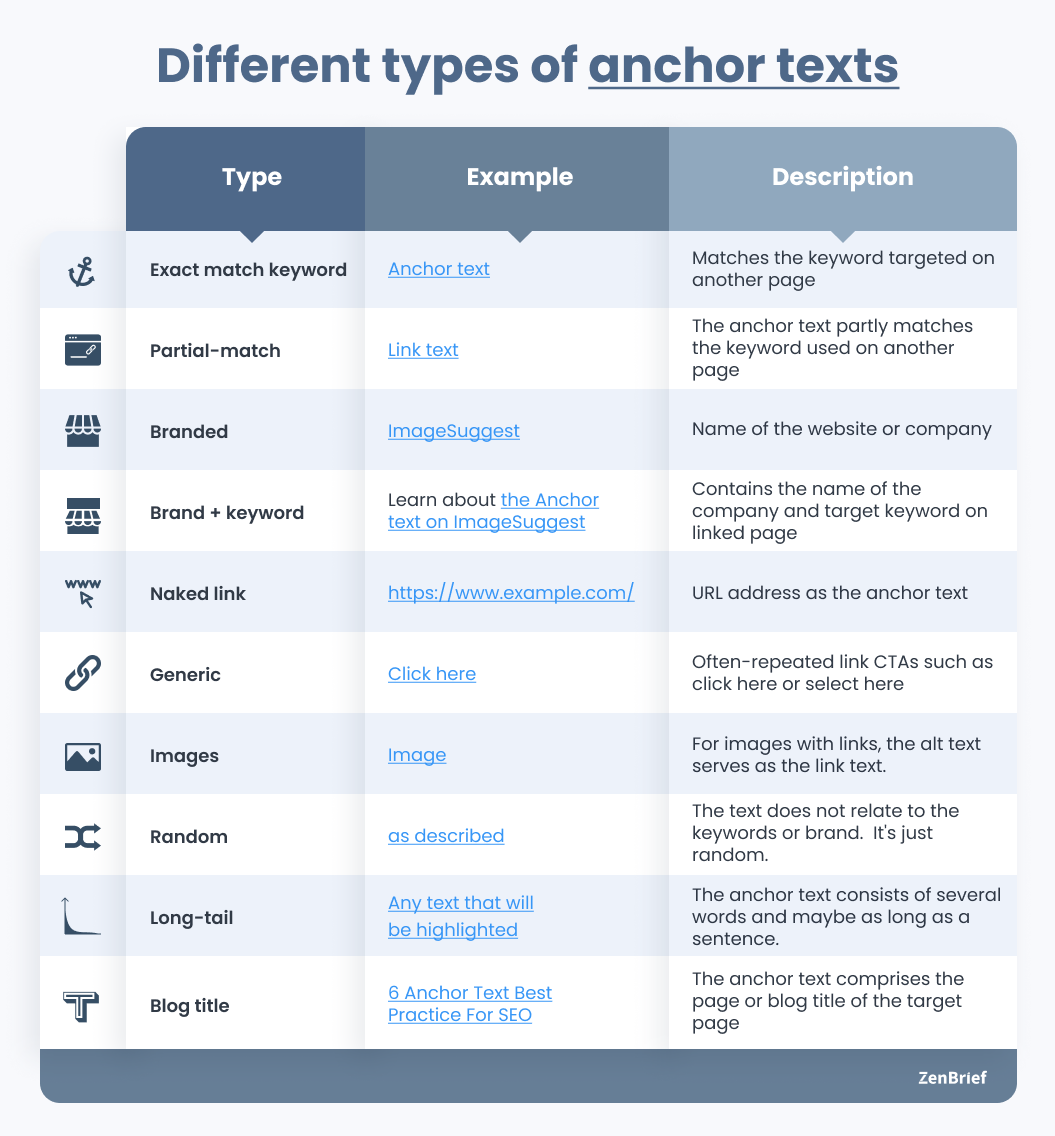
What it means: The visible clickable text (anchor text) of a link pointing to your site matters for relevancy. It gives context.
Why it matters: Proper anchor text helps search engines understand what the target page is about and improves relevancy signals. Too much manipulated anchor text can be a negative.
Action tips:
- Ensure inbound links have natural, varied anchor text (not all exact-match keywords).
- Use descriptive anchor text for internal links.
- Avoid spammy practices (e.g., “Click here for cheap pills” linking to unrelated content).
8. Site Loading Speed
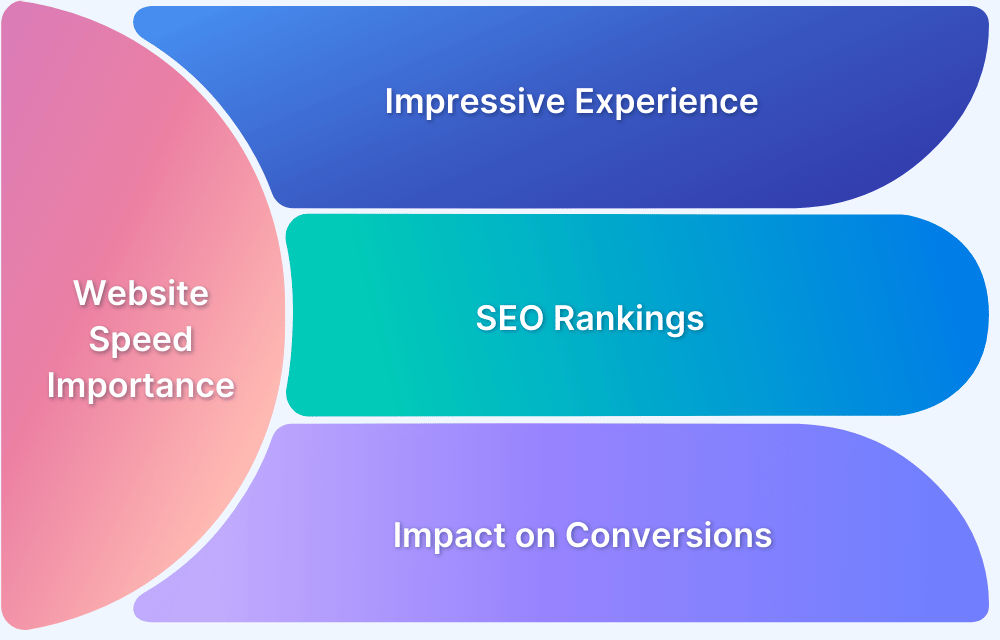
What it means: How quickly your page fully loads and becomes usable for visitors. Search engines increasingly consider user experience metrics like speed.
Why it matters: Slow pages frustrate users; Google wants to reward pages that load quickly and offer good user experience.
Action tips:
- Use PageSpeed Insights, Lighthouse, GTmetrix to measure speed.
- Optimize images, enable compression, leverage caching, reduce third-party scripts.
- Prioritise speed especially on mobile devices.
9. Keyword Usage
What it means: Using the terms your audience searches (keywords) in your content — naturally, in headings, titles, meta descriptions, body text.
Why it matters: It helps search engines match your content with queries. However, relevance and user intent now matter more than simply keyword-density. First Page Sage+1
Action tips:
- Conduct keyword research to understand what people are searching for.
- Use primary and secondary keywords naturally; don’t over-stuff.
- Place keywords in strategic places: title, H1, first paragraph, image alt text.
- Align keyword usage with user intent (what the user wants when they type the query).
10. Search Intent Match
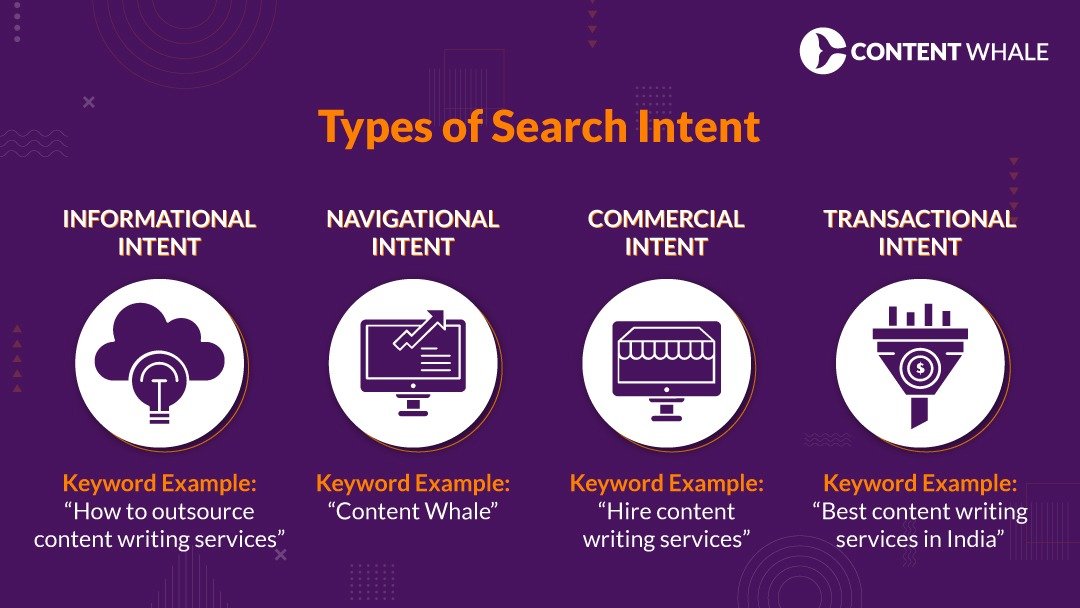
What it means: Ensuring your page content matches why the user is searching — informational, transactional, navigational, etc.
Why it matters: Even well-optimised pages won’t rank if they don’t satisfy what the user expects to find. Many recent expert sources emphasise this shift.
Action tips:
- When you pick a keyword, ask: What does the searcher want? Answer that.
- Look at existing top-ranked pages for a keyword and analyze what kind of content they provide.
- Provide clear value (answer, solution, next step) within your content.
- Use a structure that aligns: introduction to problem → detail/insight → conclusion/next action.
Conclusion
Ranking well in modern search isn’t about hacking one or two elements – it’s about building a strong foundation in content, authority, technical infrastructure, and user experience. The above factors do not work in isolation: they reinforce each other.
Pick one or two weak areas in your site today, fix them, and you’ll likely see improved performance. As always: measure, test, iterate. Search algorithms evolve – but user behavior and values remain important.