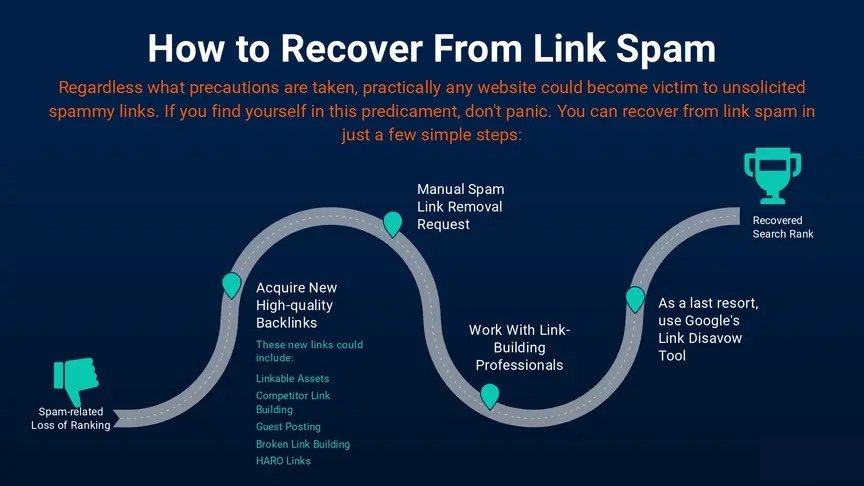
A spam link is a backlink placed without regard for user value, topical relevance, or natural linking behavior, with the primary goal of boosting rankings or harming a competitor. These links often come from thin or auto‑generated pages, hacked sites, link networks, or irrelevant pages that repeat commercial anchor text unnaturally.
From a search engine’s point of view, spam links violate link policies because they aim to manipulate PageRank and other ranking signals instead of earning links organically. Google’s newer spam updates increasingly devalue or ignore such links in real time, and persistent patterns can lead to algorithmic suppression or manual actions against a site.
Self-created Spam Links
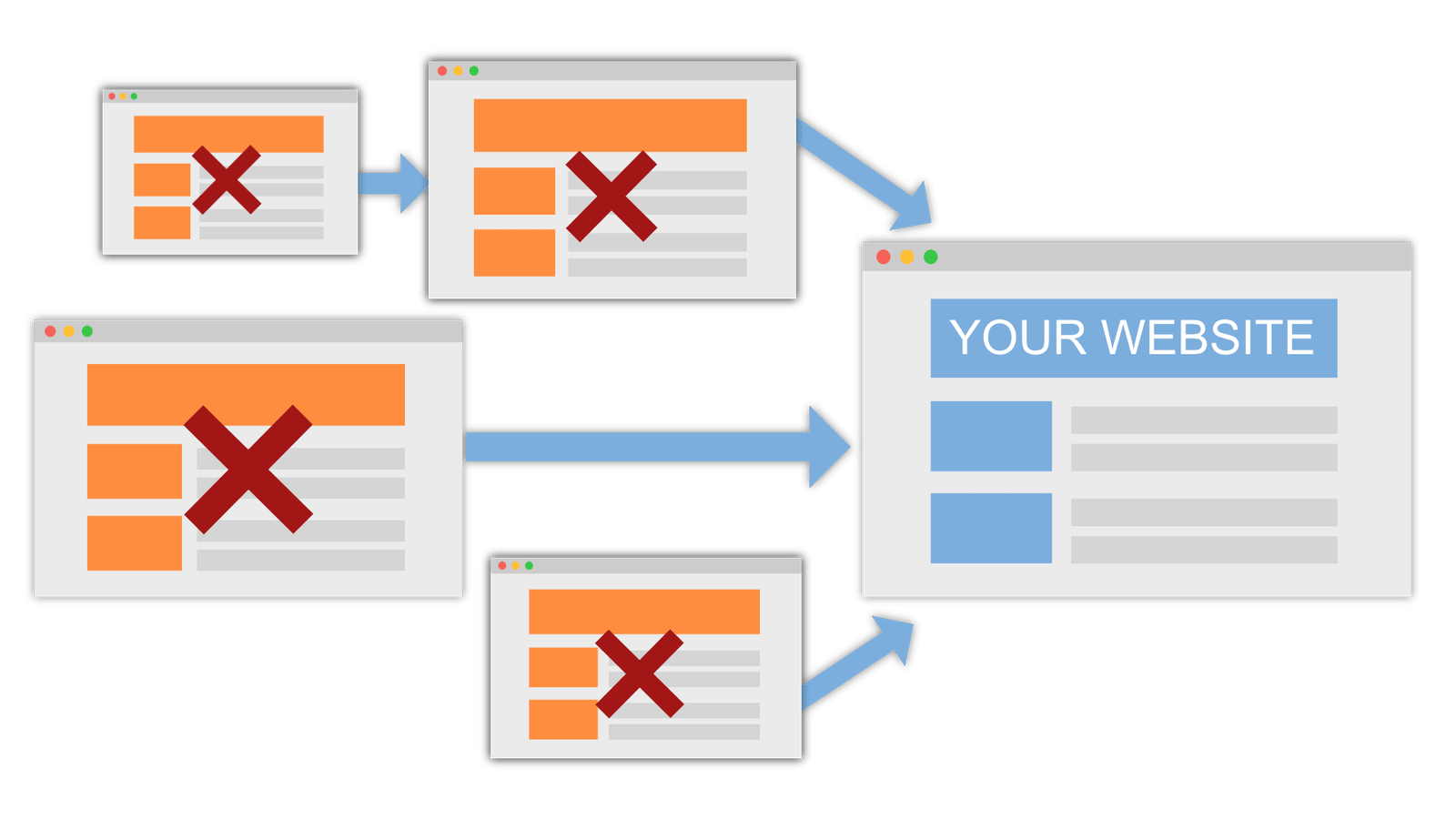
Self‑created spam links are links you (or your SEO) build to help your own site rank, without following search engine guidelines. They are typically easy, scalable tactics that prioritize quantity of links over relevance, context, and actual user benefit.
Examples include dropping your URL in random comments, mass‑submitting to low‑quality directories, or buying links in obvious link farms. If a tactic would not make sense without search engines, there is a strong chance it falls into a self‑created spam category.
Negative SEO
Negative SEO is when someone intentionally builds spam links (and sometimes other signals) to hurt another site’s organic rankings. Common tactics include blasting thousands of low‑quality links with over‑optimized anchor text, sending irrelevant foreign‑language links, or mimicking paid link footprints pointed at a target domain.
Modern search engines are fairly good at ignoring obvious negative SEO, especially when there is no matching behavior on the target site. However, large‑scale attacks or a mix of genuine bad practices and attacks can still create risk, which is why monitoring and periodic cleanup remain important.
How Do Spam Links Affect SEO?
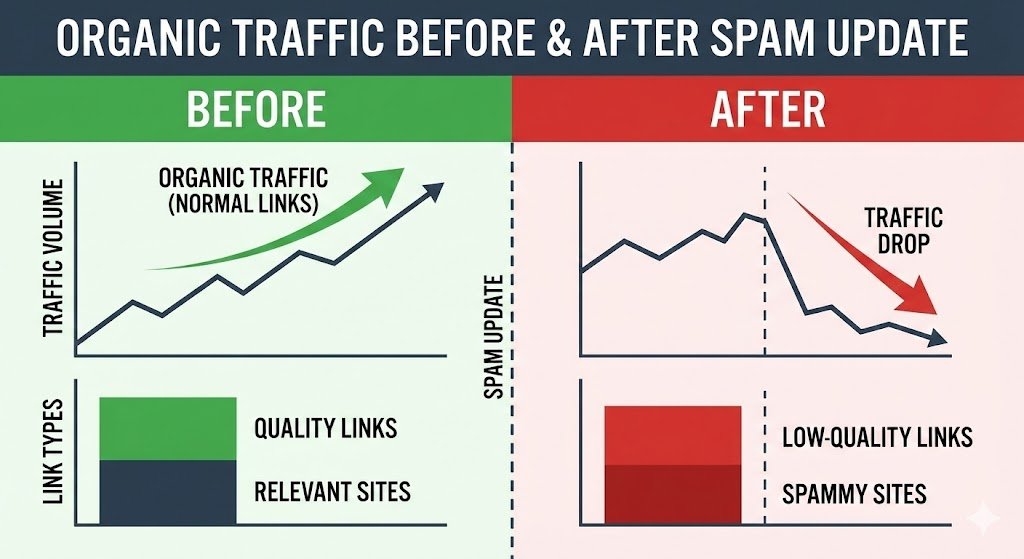
Spam links can hurt SEO in three broad ways: direct penalties, URL or link devaluation, and long‑term trust loss. Google’s spam systems (like SpamBrain) now neutralize many manipulative links so they simply stop passing value, even if they temporarily helped before.
For serious or repeated violations, Google may apply a manual action, which can cause sharp ranking and traffic declines until issues are fixed and a reconsideration request is approved. Even without a visible penalty, an unhealthy link profile can make it harder to rank compared with competitors with genuinely trusted, natural links.
How Link Spam Is Generated
Buying links
Buying links means paying for backlinks that pass ranking signals, usually without proper disclosure (like rel=”sponsored”). This includes “article placements,” sidebar links, or homepage links sold at scale on sites that publish anything for a fee.
Google treats undisclosed paid links that pass PageRank as a direct violation of its spam policies, and large paid link footprints often get algorithmically devalued or manually penalized.
Link farms
Link farms are networks of websites created primarily to swap or sell links among themselves and to customers. These sites typically have thin, generic content, lots of outbound links, and unnatural interlinking patterns that exist only to game algorithms.
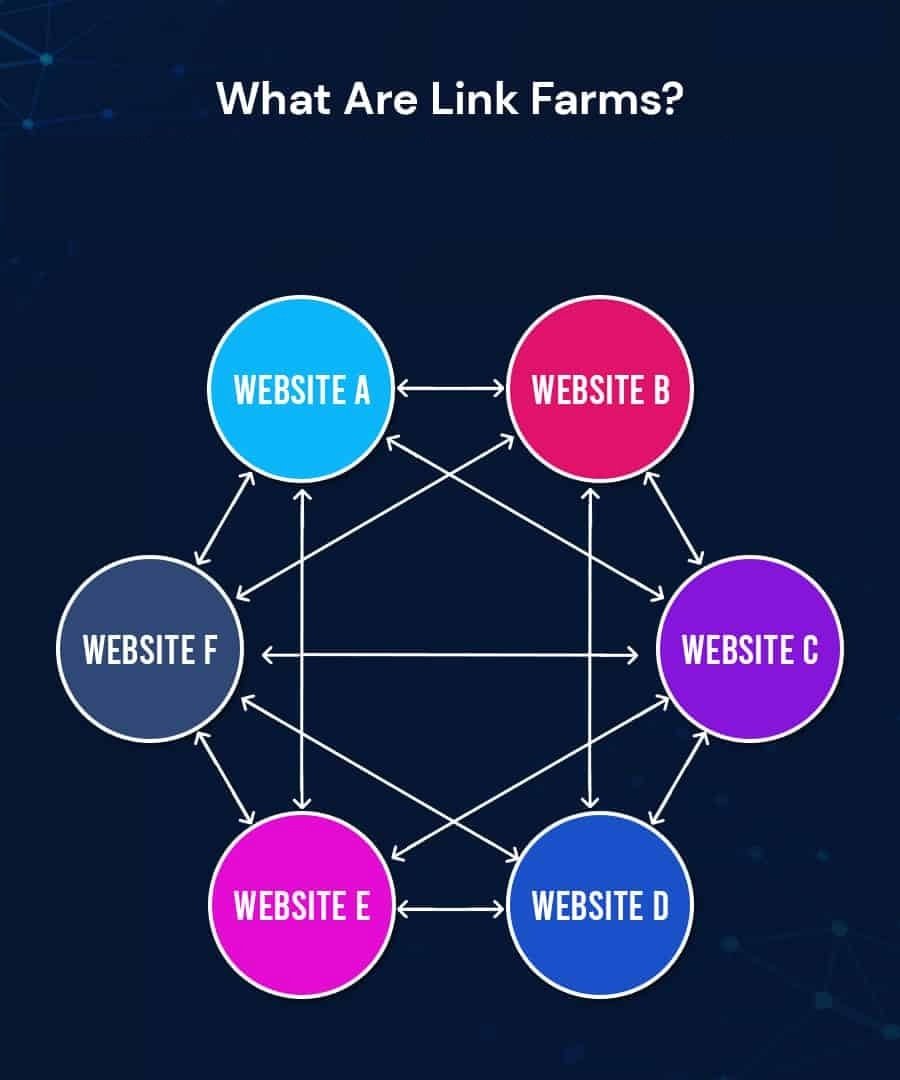
Modern algorithms detect these patterns and devalue or ignore link‑farm links, making the investment risky and often harmful in the long term.
Comment spam
Comment spam happens when people drop links in blog comments, forums, and guestbooks purely for SEO, often using automated tools. Signs include generic comments (“Nice post!”) combined with keyword‑rich usernames and links pointing to unrelated or low‑quality pages.
Most modern platforms add rel=”nofollow” or rel=”ugc” to user‑generated links, which limits direct ranking impact, but large‑scale comment spam can still damage brand reputation and trigger spam signals.
Automated links
Automated links are created using software or scripts that post your link across thousands of sites in a short period. Common targets include auto‑approve blogs, forums, profile pages, and low‑quality CMS sites vulnerable to bots.
These patterns are highly detectable: sudden spikes in low‑quality referring domains, many links from similar footprints, and repetitive anchor text. Search engines treat these links as spam, often devaluing them entirely and sometimes using them as evidence of manipulative behavior.
Irrelevant directory submissions
Irrelevant directory spam involves submitting your site to low‑quality, general, or unrelated directories purely for backlinks. Typical directories offer no real audience, have little editorial review, and list thousands of random sites with similar anchor text patterns.
High‑quality, niche, moderated directories can still be useful, but bulk submissions to obvious SEO directories are a known spam signal.
Widget spam
Widget spam link happens when a widget (like a counter, badge, or plugin) embeds a hidden or hard‑to‑remove link on any website that uses it. These links usually have commercial anchor text pointing back to the widget creator or a third party and may appear site‑wide.
Google’s guidelines explicitly warn against forcing followed links in distributed widgets and recommend using rel=”nofollow” or rel=”sponsored” instead.
Link exchanges
Link exchanges involve two sites agreeing to link to each other, often repeatedly and without real editorial justification. Occasional natural cross‑linking between related sites is fine; the problem arises when the pattern becomes aggressive or involves unrelated domains.
“Link rings” or “you link to me, I’ll link to you and my partners” setups look manipulative and can be treated similarly to link farms.
PBN links
PBN (Private Blog Network) links come from a network of sites owned or controlled by one entity, built to pass authority to a primary site. These sites often use expired domains with leftover authority but thin or generic content that exists mainly to host outbound links.
Google has repeatedly targeted PBNs, and footprint detection (similar hosting, themes, content patterns, outbound link patterns) can lead to widespread devaluation or penalties.
Guest posting abuse
Guest posting abuse refers to publishing low‑quality, overly optimized guest posts at scale just to obtain backlinks. Typical signs include spun or generic content, multiple keyword‑rich anchors, and topics only loosely related to the host site’s audience.
Genuine guest posts that are high quality, relevant, and user‑focused are still acceptable, but using guest posting as a link scheme is against search guidelines.
How to Find & Address Spammy Links
1. Review your link profile
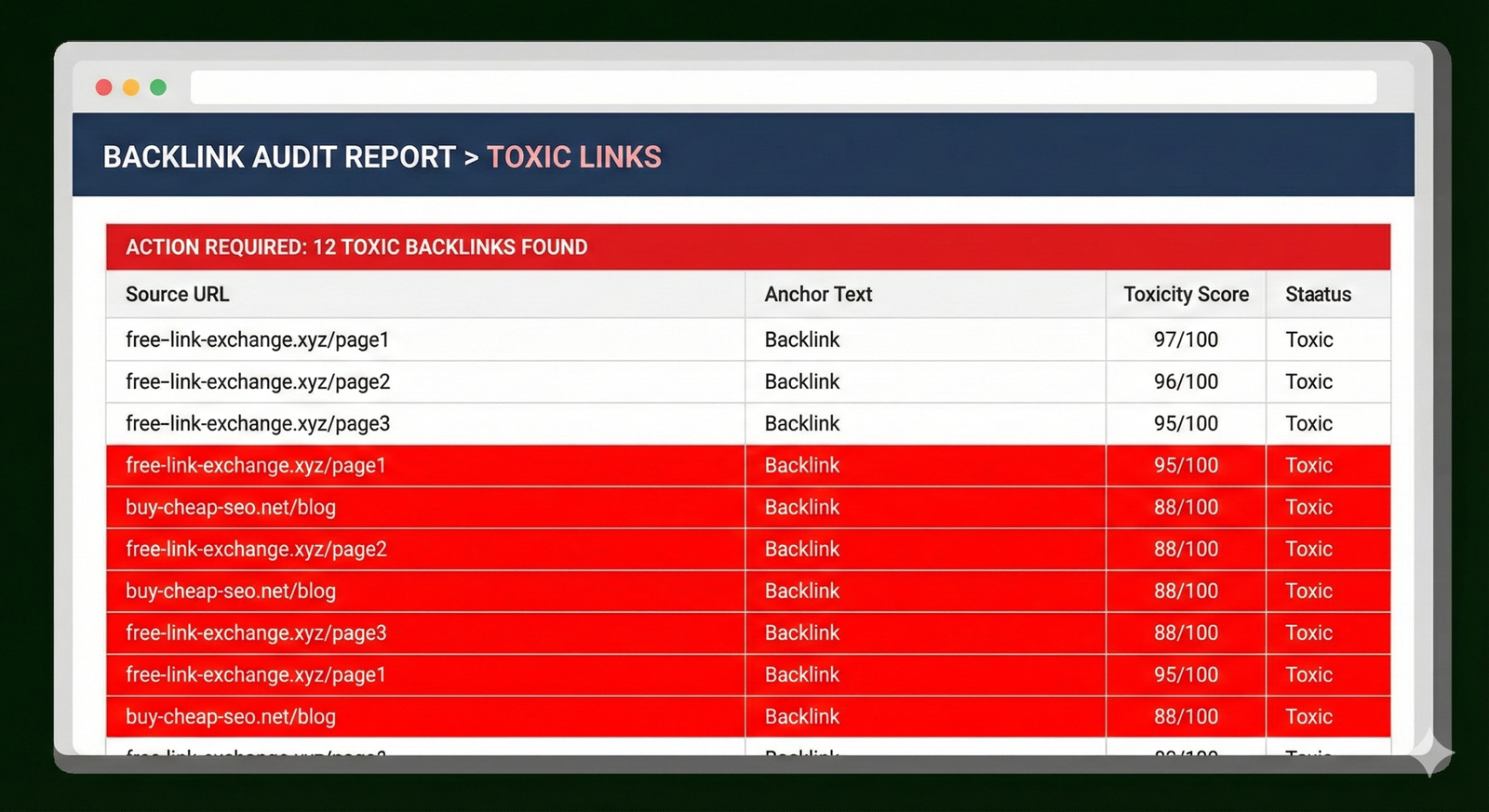
Start by exporting your backlinks from tools like Google Search Console and reputable SEO platforms. Look for patterns such as many links from unrelated niches, sudden spikes in referring domains, foreign‑language sites with no relevance, and anchor text that is overly commercial or spammy.
Metrics like domain authority, toxicity scores, and spam indicators can help you prioritize which domains to investigate and potentially remove.
2. Create a disavow file (if needed)
If you identify links that are clearly manipulative and cannot be removed manually, you can prepare a disavow file for search engines. This is a plain .txt file listing spammy URLs or domains (using lines like domain:example.com) that you ask Google to ignore for ranking purposes.
Disavow should be used cautiously and mainly for patterns of obviously harmful links, not minor issues or every low‑quality backlink.
3. Submit your file to Google (if needed)
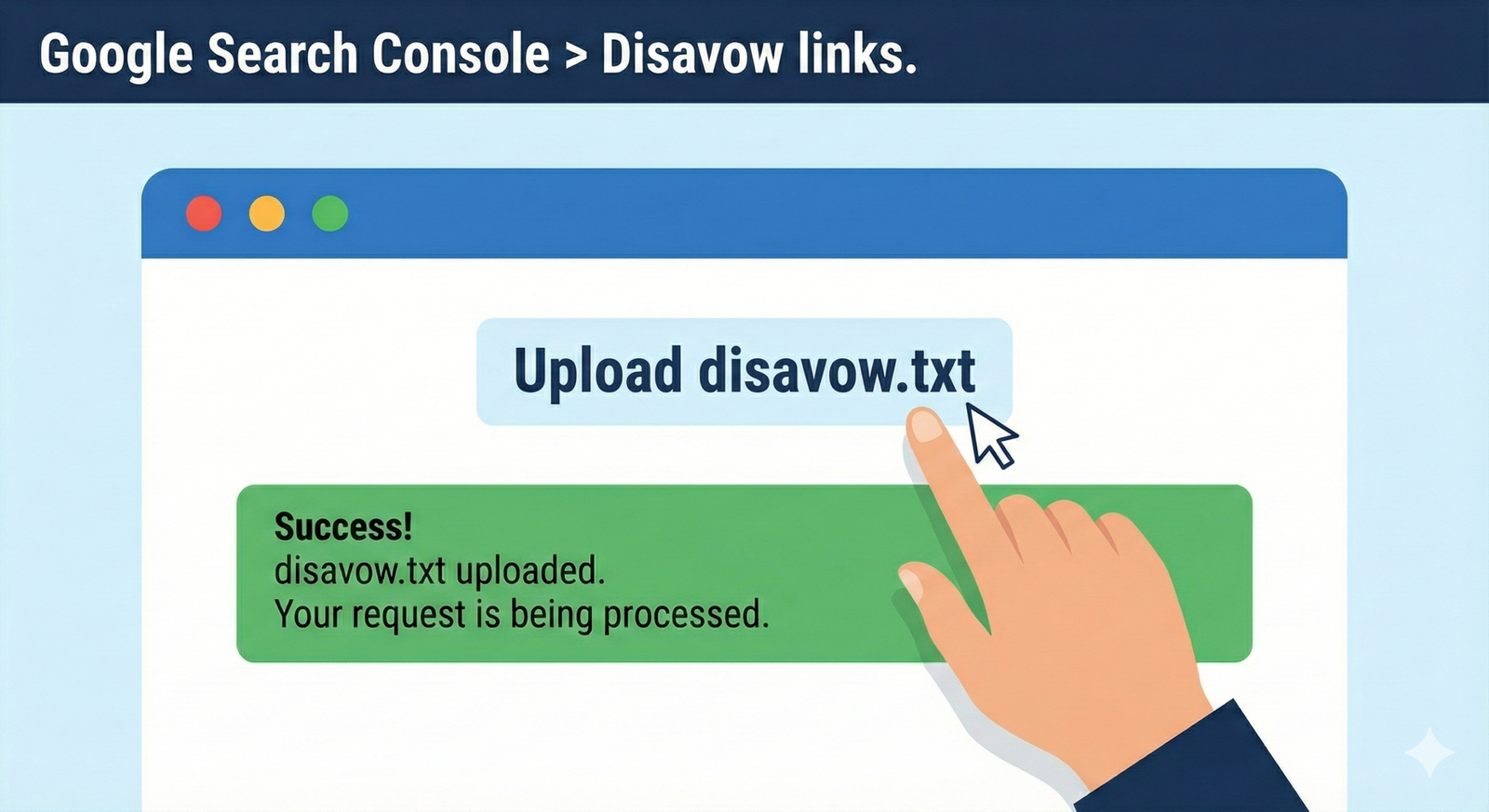
Once your disavow file is ready, you can upload it through the Google Search Console disavow links interface for the relevant property. Google then processes the file and gradually stops counting those links, which can help stabilize your profile over time.
You should continue monitoring backlinks and only update the disavow file when there are significant new spam patterns, not for routine small changes.
How to Earn Quality Backlinks (and Avoid Link Spam)
Ask for links (the right way)
Reaching out to relevant sites with useful content or resources can earn natural, editorial links. Focus outreach on niche‑relevant blogs, industry resources, and partners where your page truly adds value for their readers.
Avoid templated mass emails promising link swaps or paid placements, as these quickly cross into spam territory.
Respond to journalists’ queries
Digital PR and HARO‑style platforms let you answer journalist questions and potentially earn high‑authority editorial links. These links are powerful because they come from trusted publications and are given for expertise, not purchased or automated.
Consistently providing insightful, data‑backed responses increases your chances of being quoted and linked in articles your audience actually reads.
Create linkable assets
Linkable assets are resources people naturally want to reference: in‑depth guides, original research, tools, templates, or interactive content. When your content is uniquely helpful, other websites link to it because it improves their own articles or helps their audience.
Over time, strong assets attract links passively, reducing dependence on risky, artificial link‑building tactics.
Learn More
High‑quality links usually share three traits: relevance, authority, and editorial control. That means links from reputable, topic‑aligned sites where a real editor or author chose to include your link because it improves the page.
A sustainable strategy combines content marketing, digital PR, partnerships, and community involvement to earn links, rather than chasing shortcuts that look like spam.