
Keyword research is the foundation of any successful SEO strategy. It involves discovering valuable search queries that target customers type into search engines to find products, services, and information. Without proper keyword research, even well-crafted content may fail to attract traffic—studies show that 90.63% of pages on the internet receive no traffic from Google.
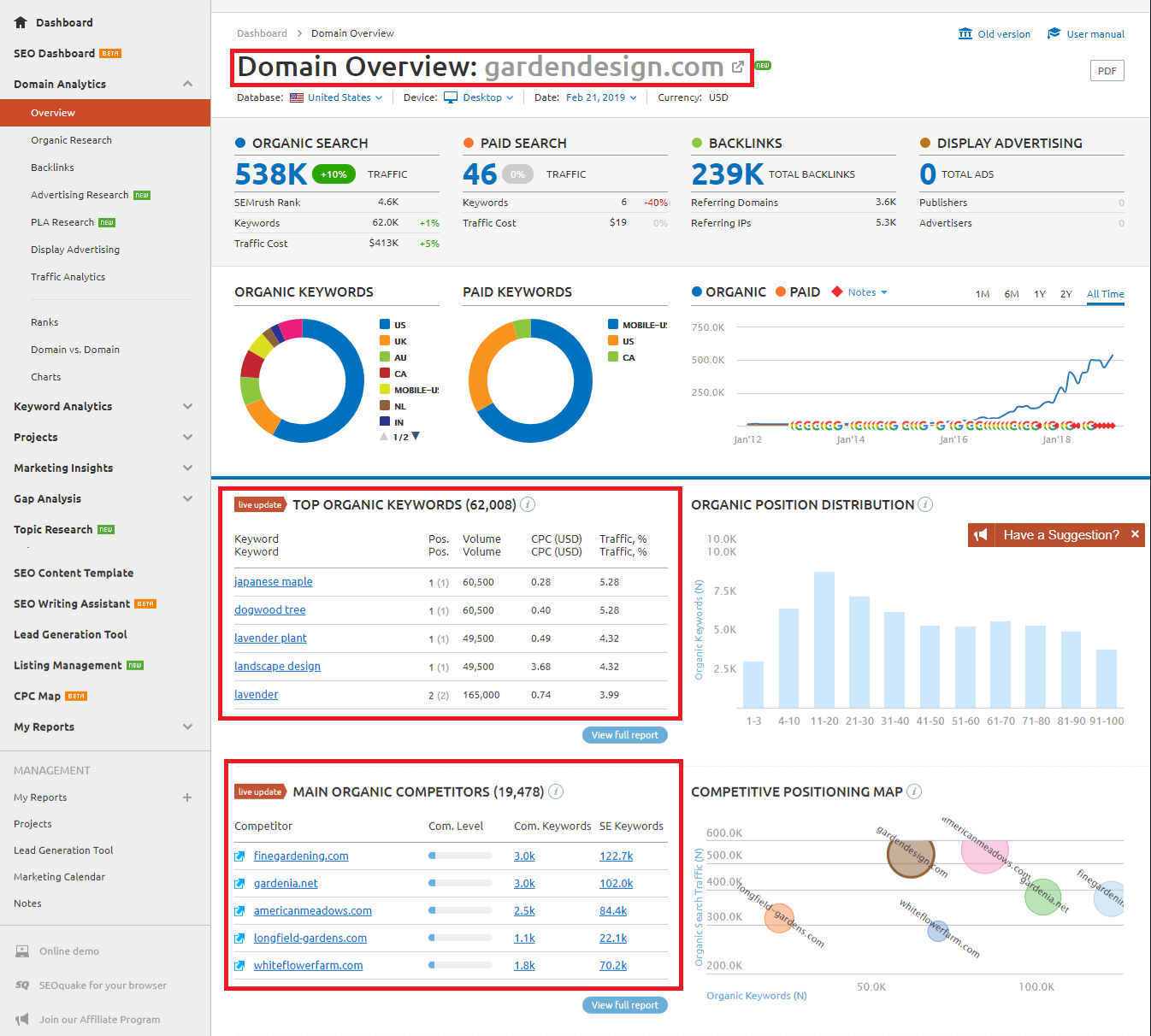
How to Find Keywords That Actually Drive Results
Finding effective keywords requires a systematic approach that balances search volume, competition, and user intent. Start by identifying seed keywords related to your business, then use SEO tools to analyze their traffic potential and keyword difficulty scores. The goal is to select keywords that have adequate search demand and align closely with your products or services.
The Right Way to Do Keyword Research:
- Begin with brainstorming seed keywords based on your niche
- Use tools like Google Keyword Planner, Ahrefs, or SEMrush to expand your list
- Analyze search volume, traffic potential, and competition levels
- Look at search intent to ensure alignment with your content goals
- Finalize a balanced keyword list mixing high and low-volume terms
Understanding Keywords and Their Search Volumes
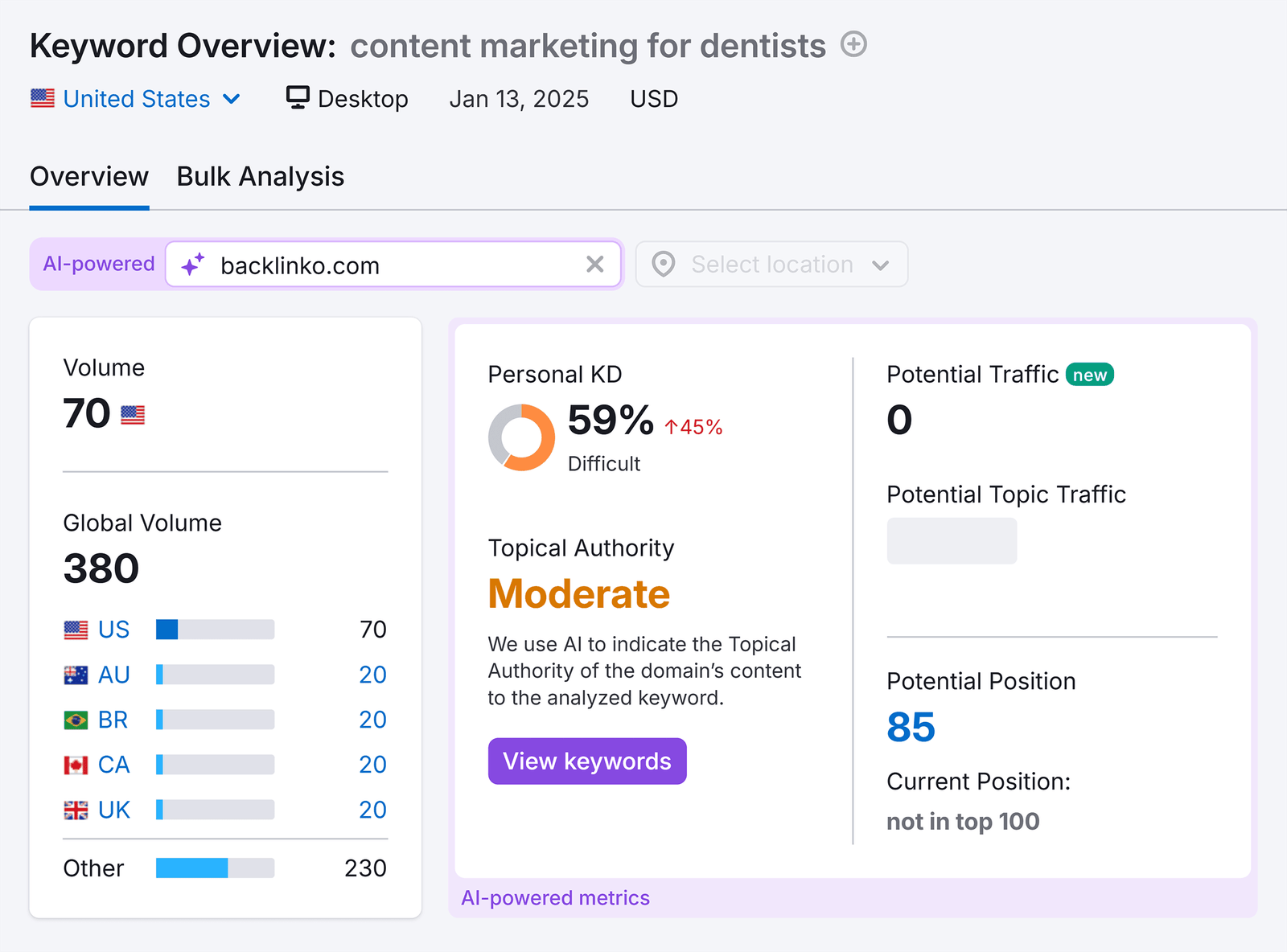
Keyword search volume is the average number of times a specific keyword is searched over a given period, typically monthly. High search volume indicates strong user interest, while low volume suggests a more niche topic. However, volume alone doesn’t guarantee traffic—understanding competition and relevance is equally important.
Factors That Influence Keyword Search Volume
| Factor | Impact |
| Seasonal trends | Keywords like “Christmas gifts” spike during holidays |
| Current events | News and trends cause temporary volume spikes |
| Industry competition | High-volume keywords typically have more competitors |
| Geographic location | Search volumes vary significantly by region |
Why Keyword Search Volume Matters in SEO
Search volume helps gauge keyword popularity and estimate potential traffic to your website. It guides content strategy by revealing what topics audiences actively search for, helps uncover content gaps where competitors haven’t fully addressed user needs, and allows for competitive analysis to understand market demand. For PPC campaigns, higher volume keywords typically cost more per click but can deliver significant returns.
3 Ways to Use Keyword Search Volume to Drive High-Intent Traffic
1. Analyze Competitor Keywords
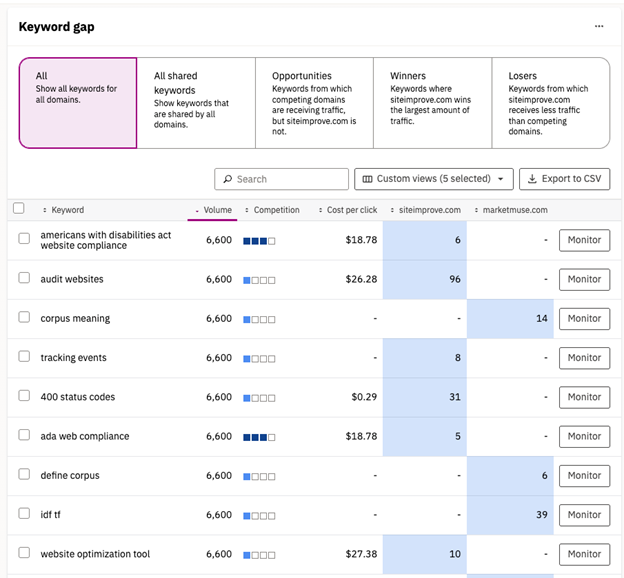
Studying competitor keyword strategies reveals opportunities and gaps. Tools like Ahrefs‘ Site Explorer allow you to discover competitors’ top-performing keywords, their organic traffic sources, and content strategies. This competitive intelligence helps identify keywords worth targeting.
2. Use Long-Tail Keywords
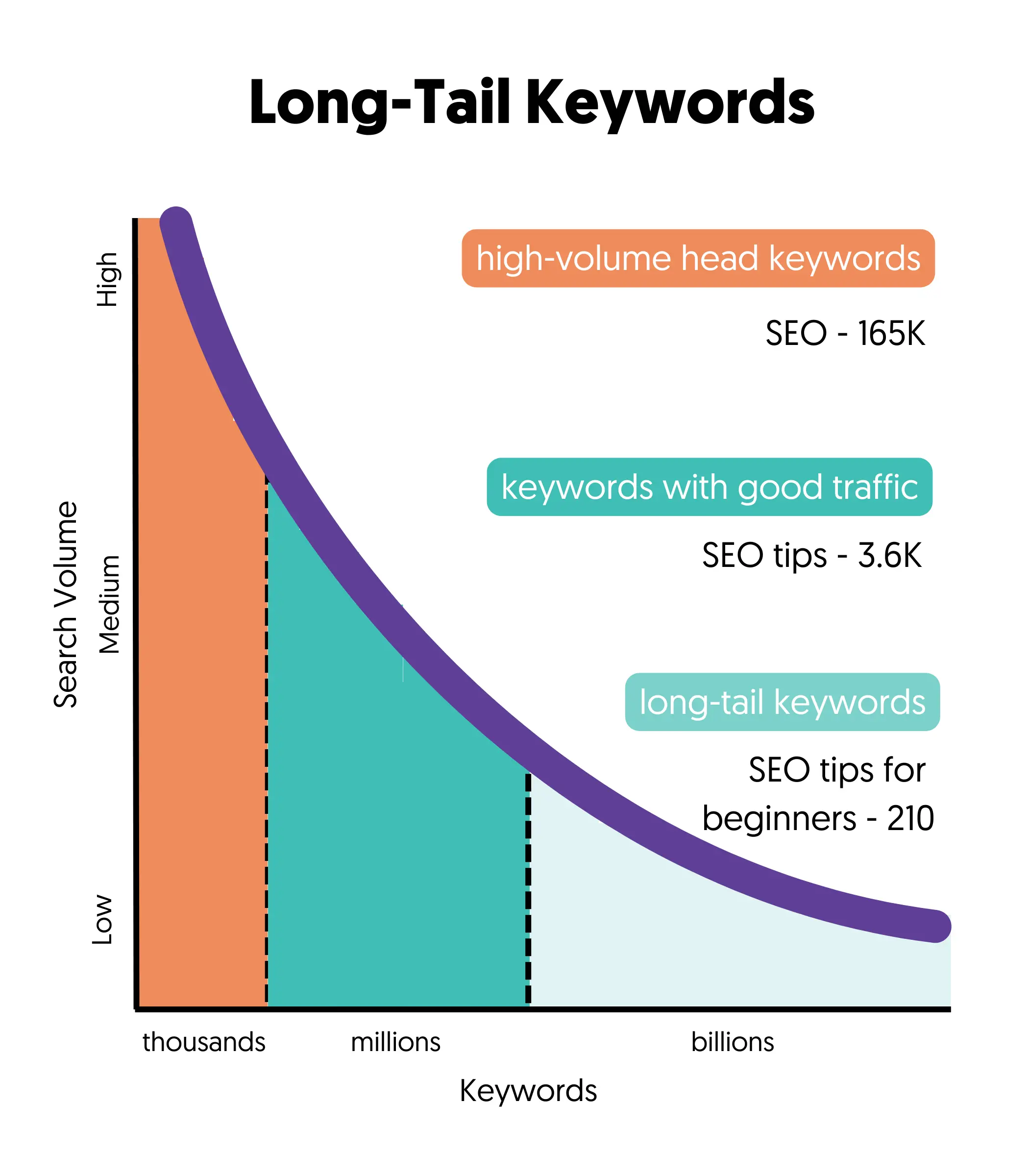
Long-tail keywords are longer, more specific phrases with lower search volumes but higher conversion rates. They make up approximately 70% of all search traffic. Benefits include:
- Lower competition and easier ranking
- Higher user intent leading to better conversions
- Better local targeting for small businesses
- Improved performance in voice searches
3. Monitor and Analyze Results
Consistent tracking of keyword performance helps identify what’s working and what needs adjustment. Google Search Console provides real data on clicks, impressions, and click-through rates for each keyword. Regular monitoring allows strategy refinement based on actual performance data.
Selecting the Right Keyword Research Tool
| Tool | Best For | Keyword Database | Starting Price |
| Google Keyword Planner | Free first-party data | Direct from Google | Free with Google Ads account |
| Ahrefs | Backlink analysis & keyword tracking | 29+ billion keywords | $129/month |
| SEMrush | Comprehensive digital marketing suite | 25.3 billion keywords | $129.95/month |
| Moz | Priority scoring & CTR predictions | 1.25 billion keywords | $99/month |
| Serpstat | All-in-one SEO analysis | Comprehensive database | ~$69/month |
| Mangools (KWFinder) | Beginner-friendly long-tail research | User-focused insights | $44.90/month |
3 Common Keyword Research Problems (and Solutions)
Problem #1: Search Volumes Don’t Match Across Tools
Different SEO tools report varying search volumes for the same keyword—sometimes showing a 38.5% difference between platforms. This occurs because each tool uses different data sources and estimation methods. Solution: Treat search volumes as estimates rather than exact figures, and use multiple tools to triangulate approximate ranges.
Problem #2: High-Volume Keywords Are Too Competitive
Keywords with high search volumes attract intense competition, making ranking difficult for smaller sites. Solution: Target lower-volume keywords with less competition, especially long-tail variations that indicate stronger purchase intent. A keyword searched 200 times monthly by highly relevant users can outperform a generic term searched 2,000 times.
Problem #3: Focusing Only on Volume
Relying solely on search volume leads to missed opportunities. Solution: Consider traffic potential (how many clicks you’ll actually receive), keyword difficulty, user intent, and relevance to your business goals. Balance high-volume targets with niche keywords that deliver qualified leads.
Final Thought

Effective keyword research requires balancing multiple factors—search volume, competition, relevance, and user intent. Tools like Ahrefs, SEMrush, and Google Keyword Planner provide the data needed to make informed decisions, but success comes from consistent monitoring and strategic adjustment. Focus on creating content around keywords with proven interest while maintaining flexibility to capture emerging trends and niche opportunities.