
Backlinks are links from other websites that point to your site, and they remain one of the strongest signals search engines use to judge trust, authority, and relevance.
What Are Backlinks?
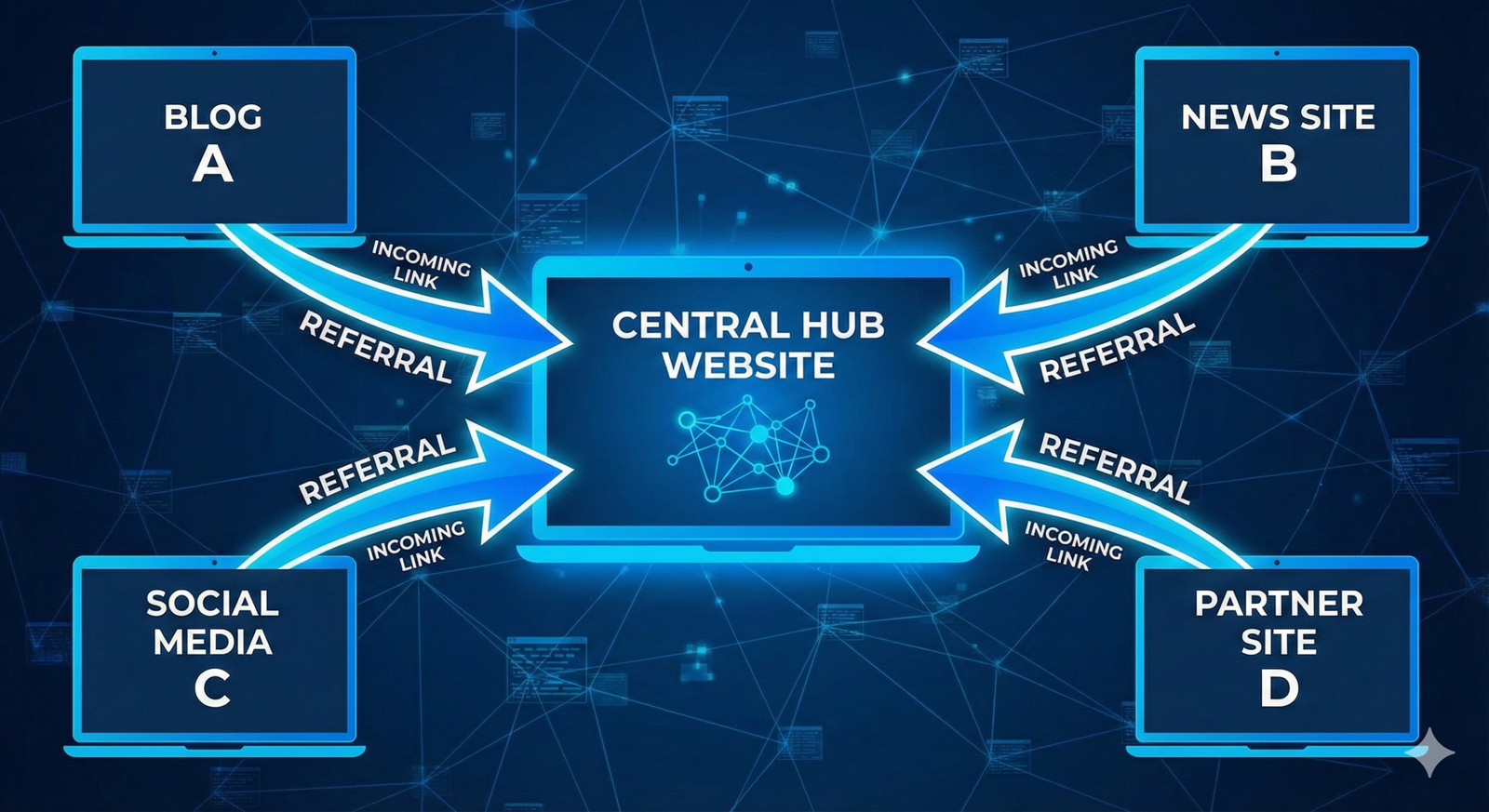
A backlink is a hyperlink on an external website that leads to a page on your site, acting like a public “vote of confidence” for your content. Search engines crawl these links to discover pages and to estimate how popular and trustworthy a site is compared with others in the same space.
Why Backlinks Are Important
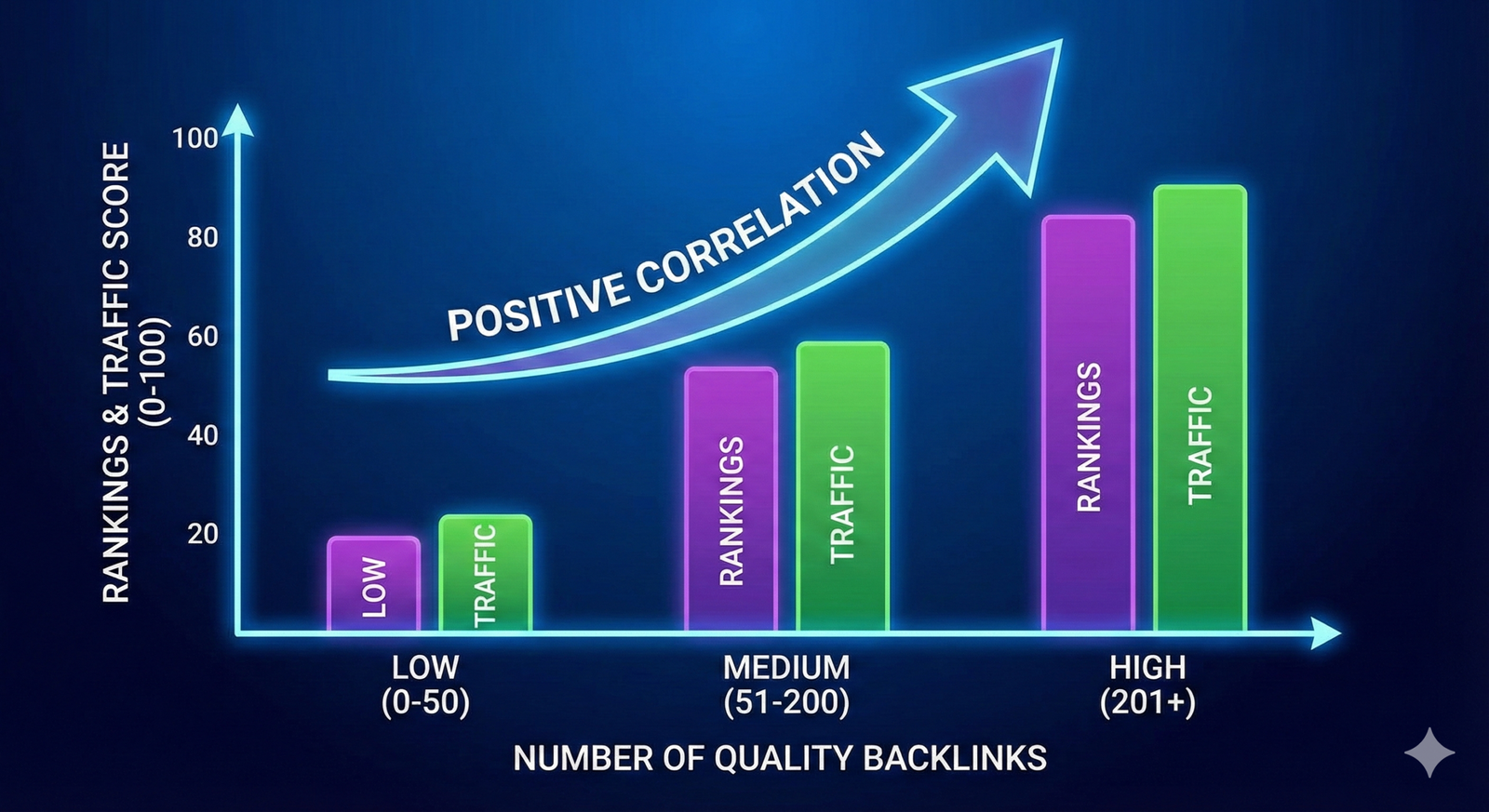
Backlinks help search engines understand which pages deserve to rank higher, because they indicate that other publishers found the content useful enough to reference. High-quality backlinks are closely associated with better rankings, more organic traffic, and stronger domain authority over time.
Valuable Types of Backlinks
The most valuable backlinks are editorial links that are naturally placed within relevant content on authoritative sites rather than paid, automated, or spammy links. Dofollow backlinks that pass “link equity” are especially prized, while a natural mix of do follow and no follow links supports a healthy, trustworthy profile.
Trait #1: From Authoritative Sites
Backlinks from trusted, authoritative domains pass more ranking power than links from small, low-quality, or spammy sites. Authority is typically reflected in strong organic traffic, a solid content history, and a clean backlink profile of their own.
Trait #2: Keyword-Rich Anchor Text
Anchor text is the clickable text of the link, and search engines use it to infer what the linked page is about. When relevant keywords appear naturally in the anchor text, the link sends a clearer topical signal, but over-optimized, repetitive anchors can trigger spam filters.

Trait #3: Topical Relevance
A backlink is far more valuable when it comes from a site and page that cover topics closely related to yours, because it confirms topical authority. For example, a link from a marketing blog to your SEO guide is more helpful than a random link from an unrelated hobby forum.
Trait #4: Dofollow Attribute
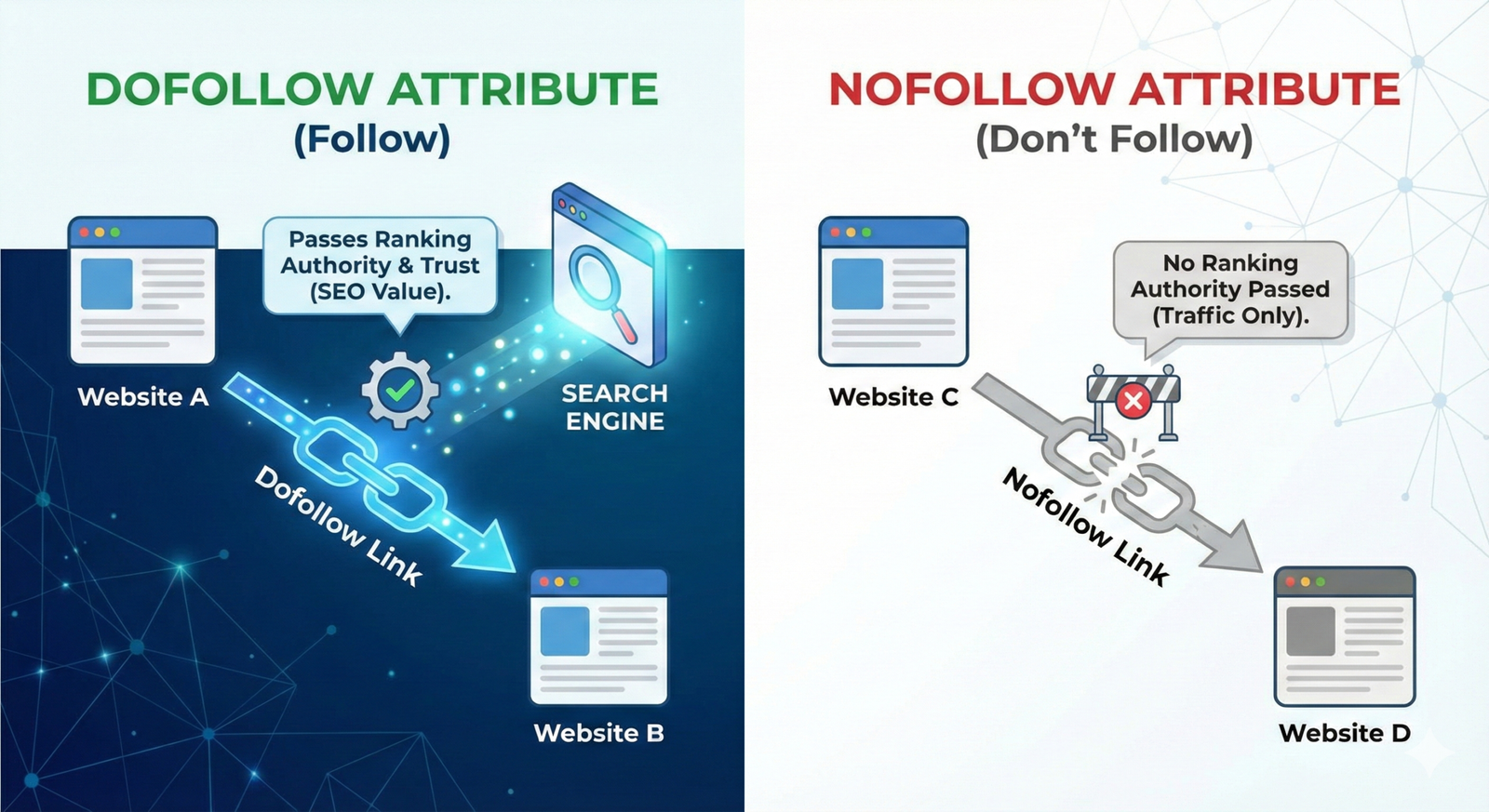
By default, links are dofollow, which means they pass authority and help with rankings unless they include attributes like rel=”nofollow”, “sponsored”, or “ugc”. Nofollow-style links can still bring referral traffic and brand visibility, but dofollow links are the main drivers of SEO value.
Trait #5: Unique Referring Domains
Earning links from many different domains is more powerful than getting many links from the same site, because each new domain is a fresh vote of trust. Link-based algorithms look at both total link count and the diversity of referring domains when assessing authority.
Best Practice:
Create Linkable Assets
Linkable assets are high-value pieces like in-depth guides, tools, data studies, or original research that others naturally want to cite. Comprehensive content that solves a real problem or provides unique insights dramatically increases organic link acquisition opportunities.
Build Backlinks from Link Roundups
Link roundups are curated posts that regularly feature the best content in a niche, making them ideal targets for outreach. To earn these links, create standout content and pitch it briefly and clearly to editors who maintain roundup posts.
Use the Moving Man Method
The Moving Man Method focuses on finding pages that are outdated, rebranded, or redirected and then contacting sites that still link to them. You offer your up-to-date, relevant content as a better replacement, giving the site owner a quick win and earning a high-quality backlink.
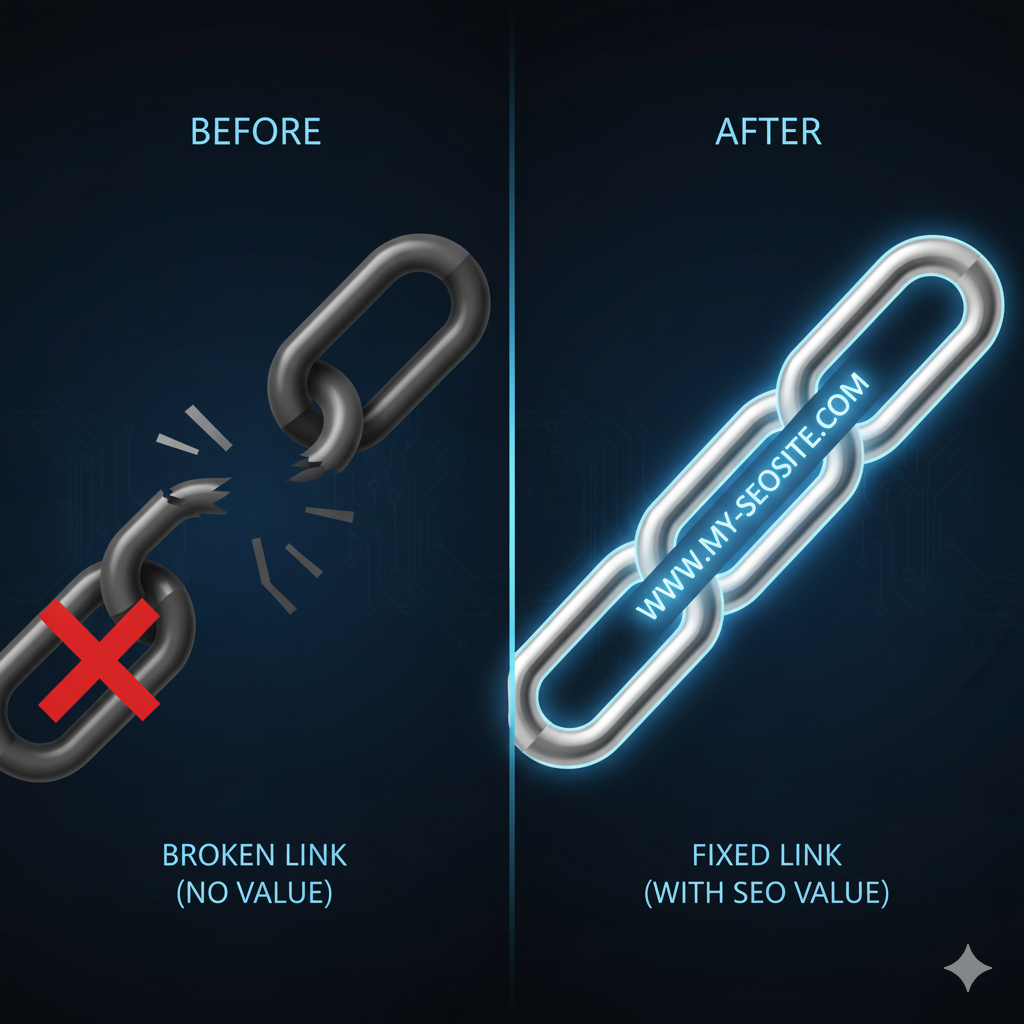
Broken Link Building
Broken link building involves finding dead outbound links on relevant pages and suggesting your working content as a replacement. Because you help fix a problem on their site, many webmasters are open to adding your link if the resource is genuinely useful.
Guest Posting
Guest posting means writing original articles for other relevant websites in exchange for a contextual backlink within the content or author bio. Focus on reputable sites, unique topics, and value‑first content; avoid low-quality “guest post farms” that exist only to sell links.
Infographics and Visual Assets
Infographics, charts, and other visual assets attract embeds and citations because they present information in a shareable, easy-to-digest format. Pair each visual with an accompanying article and an embed code so publishers can easily feature it while linking back to your site as the source.
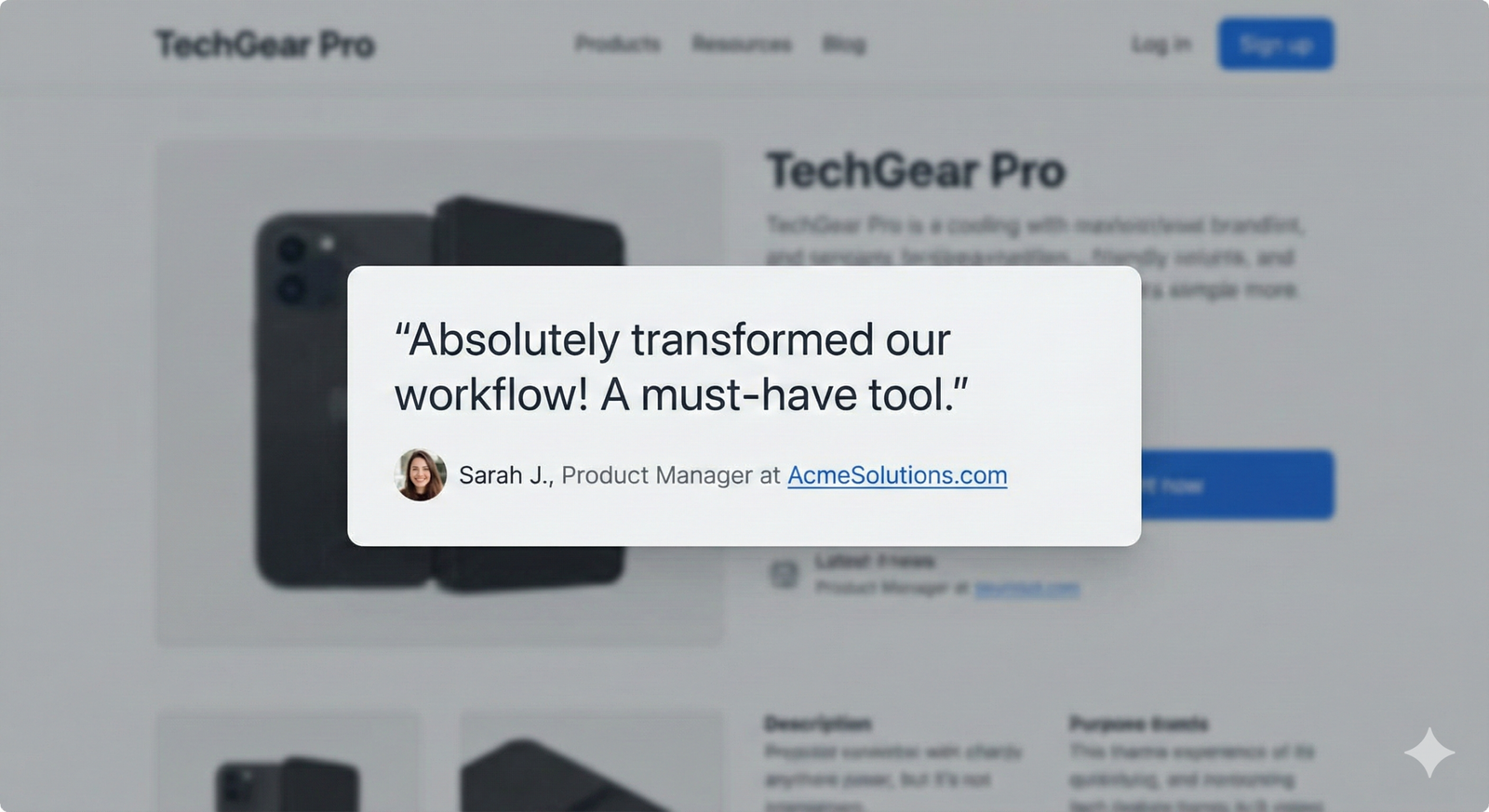
Submit Testimonials
Many SaaS tools, agencies, and service providers publish customer testimonials and often link back to the reviewer’s website. By offering genuine, detailed testimonials to tools you actually use, you can earn relevant, trust-enhancing backlinks from their “customers” pages.
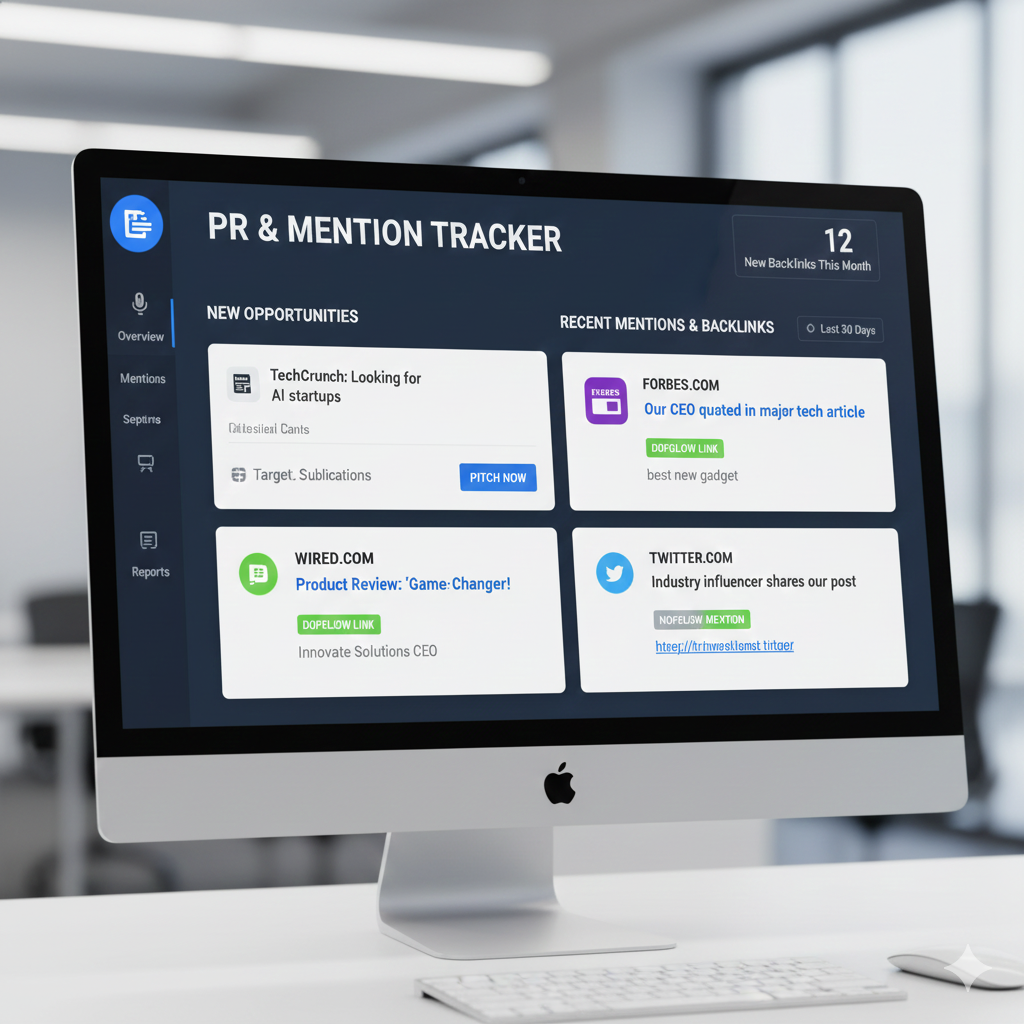
Use a PR Link Building Platform
Modern digital PR and link‑building platforms help identify journalists, bloggers, and publications looking for expert quotes, data, or stories. Responding with high‑quality input can earn authoritative backlinks from news sites and niche publications that are hard to reach via cold outreach alone.
Stick to Link-Friendly Formats
Certain formats naturally earn more links, such as original research, statistics pages, comprehensive how‑to guides, comparison posts, and curated resource lists. Building your content strategy around these formats gives every outreach or PR campaign a better chance of securing quality backlinks.
Final Thought
Backlinks still matter a great deal, but quality, relevance, and authenticity now matter far more than sheer volume. By publishing linkable assets and using ethical outreach tactics like roundups, broken link building, guest posting, and digital PR, any site can steadily build an authority‑boosting backlink profile.