
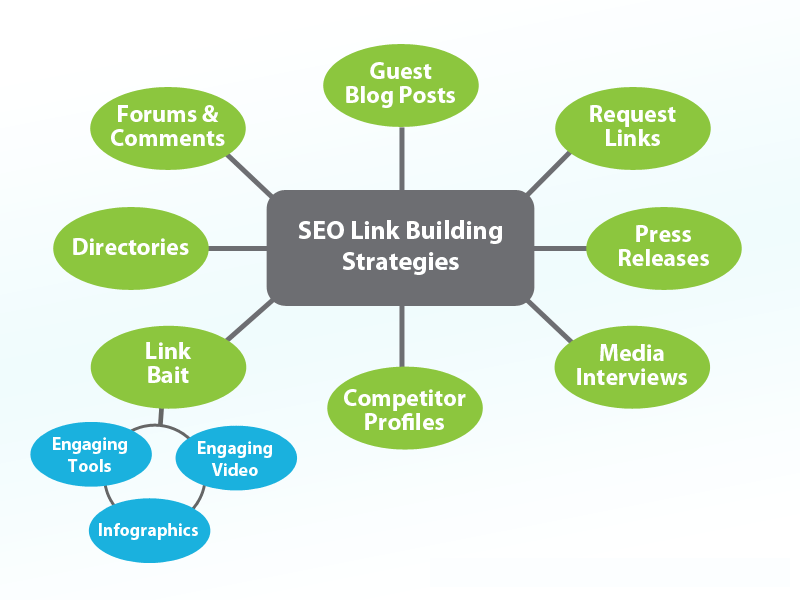
Link bait is content designed so well that people feel compelled to link to it, which makes it a powerful long‑term SEO and authority‑building strategy. When done ethically, it naturally attracts high‑quality backlinks, brand mentions, and traffic without heavy “cold” link outreach.
![Types of link bait content]
What is link bait?
Link bait (or “linkbait”) is any piece of content intentionally created to attract natural backlinks from other websites. The goal is to be so useful, interesting, or unique that bloggers, journalists, and creators choose to reference and cite your content in their own work.
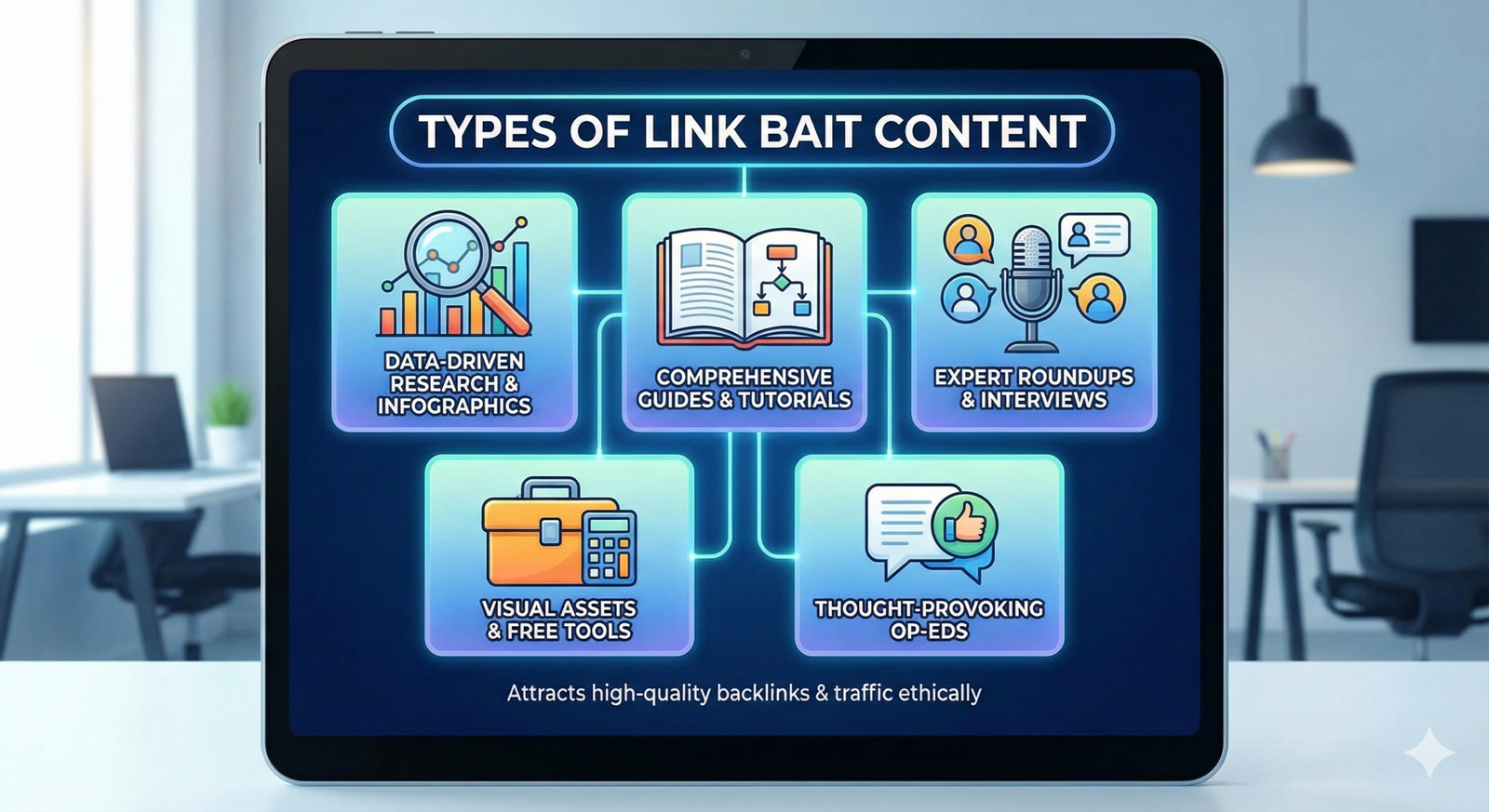
- Common formats include ultimate guides, data studies, controversy‑driven articles, tools, visuals, and expert round‑ups.
- Effective link bait fits your niche, solves a real problem, or offers original insight so it stays relevant and keeps earning links over time.
Why does link bait work?
Link bait works because it aligns with what publishers and audiences want: credible sources, fresh angles, and engaging assets they can share or embed. It also fits neatly into how search engines evaluate pages, sending strong signals of relevance, authority, and engagement.
- High‑value content earns editorial backlinks, which are among the strongest ranking signals for organic search.
- Strong link bait can keep generating backlinks for months or years, compounding your authority with minimal ongoing outreach.
Best practices:
Make it visual
Visual content (infographics, diagrams, charts, comparison visuals, checklists) is easier to scan, remember, and embed, so it attracts more links. Publishers love visuals because they improve their own articles while giving a natural reason to credit your source.
- Turn data, frameworks, or processes into infographics and simple diagrams people can reuse with attribution.
- Ensure visuals are branded but not intrusive, and offer embed codes or downloadable versions to encourage linking.
Complete guides and resources
“Ultimate” or “definitive” guides become reference pieces others cite when explaining a topic or onboarding beginners. These work well as link bait if they go deeper, are better structured, and more current than competing resources.
- Cover key definitions, step‑by‑step instructions, tools, FAQs, and examples in one comprehensive resource page.
- Use clear table‑of‑contents navigation so busy writers and editors can quickly find and reference specific sections.
Controversial angles
Thoughtful, well‑argued contrarian takes can spark discussion, shares, and links from people who agree, disagree, or analyze your stance. The key is to be evidence‑driven and respectful, not clickbait‑level sensational.
- Challenge common best practices or “sacred cows” in your industry and back up your position with data or case studies.
- Anticipate counter‑arguments, address them fairly, and encourage dialogue rather than attacking people or brands.
Data, surveys, and studies
Original data is one of the most link‑worthy assets on the internet because journalists, bloggers, and marketers constantly need statistics to support their content. Even simple surveys or internal data studies can become heavily cited if they answer a specific question people search for.
- Run niche surveys, analyze anonymized product or usage data, or aggregate public datasets into a unique, easy‑to‑read report.
- Highlight key takeaways as charts and pull‑quotes, and optimize the page for “[topic] statistics” style queries.
Ego bait
Ego bait features experts, creators, or brands in a flattering way so they feel motivated to share or link to your piece. This can take the form of round‑ups, interviews, “top X” lists, or awards.
- Create expert round‑ups (“21 CRO experts share their best A/B test”) or curated lists (“50 must‑follow PPC blogs”) and include detailed, accurate blurbs.
- Notify everyone you featured and make sharing easy with pre‑written snippets and assets they can post or link.
Timely content
Timely or news‑driven link bait jumps on trending topics, updates, or algorithm changes to become a go‑to explainer. Early, clear analysis can attract links from news outlets, newsletters, and blogs covering the same story.
- Monitor industry news, product updates, and regulatory changes, then quickly publish explainers, timelines, or impact breakdowns.
- Refresh these posts as new information appears so they remain current sources others can rely on.
Study what people already link to
Reverse‑engineering existing link magnets helps you understand what formats, topics, and angles work in your niche. By improving on those assets, you can position your content as the new “best in class” reference.
- Use backlink analysis tools to find the most‑linked pages for target keywords, then analyze why they attract links (data, visuals, novelty, utility).
- Build a differentiated version: more recent data, cleaner UX, stronger visuals, or a more complete scope.
Emotional hook
Emotion is a powerful driver of shares and links, whether that emotion is awe, surprise, anger, curiosity, or hope. Link bait that tells stories or presents unexpected results tends to spread further than dry, purely factual content.
- Use real success/failure stories, strong narrative arcs, and vivid examples to make the content relatable.
- Pair emotional hooks with substance—data, frameworks, or practical advice—so it earns links, not just clicks.
Utility and tools
Highly useful assets—calculators, templates, checklists, scripts, or generators—become recurring resources that people reference again and again. These are especially strong for B2B niches, where professionals want things that save time or reduce risk.
- Build simple tools (ROI calculators, audit checklists, prompt libraries, frameworks) that solve a specific, painful problem.
- Make them easy to access without heavy gates; soft gating (e.g., optional email) can balance lead gen and link potential.
Best practices: promote your link bait
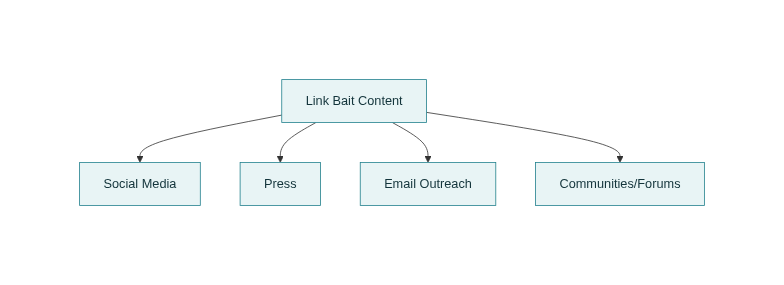
Even the best link bait needs smart promotion early on so the right people see, share, and cite it. Focus your distribution where your ideal linkers—journalists, bloggers, creators, and community leaders—already spend time.
![Key promotion channels]
Social media
Social platforms amplify reach and help your link bait reach creators who might reference it later in content. Thoughtful, native posts tend to outperform generic “new blog post” announcements.
- Share key insights, visuals, or stats from your asset as carousels or threads, then link to the full piece.
- Tag featured experts and relevant brands, encouraging them to engage with and reshare your post.
Press releases and PR
If your link bait includes newsworthy data, milestones, or insights, PR can extend its reach into media and industry publications. This works especially well for original research, trend reports, and timely stories.
- Package your findings with a clear hook, key stats, and a concise angle that journalists can easily plug into stories.
- Pitch to niche publications, newsletters, and podcasts that cover your industry, not just broad mainstream outlets.
Email outreach
Targeted email outreach helps put your content in front of people who are especially likely to link to it. Unlike generic link requests, you are offering a resource that genuinely strengthens their existing or upcoming content.
- Build a focused list of bloggers, editors, and site owners who have written about closely related topics.
- Send short, personalized messages that highlight why your asset fits their audience and point to a specific page or article where it could add value.
Learn more and level up
Link bait works best as part of a broader content and link‑building strategy, not a one‑off stunt. Over time, stacking multiple link‑worthy assets—guides, tools, data, and ego bait—builds a durable moat of authority around your brand.
- Explore in‑depth link baiting playbooks, case studies, and format breakdowns from leading SEO blogs and agencies to refine your ideas.
- Combine link bait with ongoing digital PR, guest posting, and broken link building to diversify how you earn links and sustain growth.