
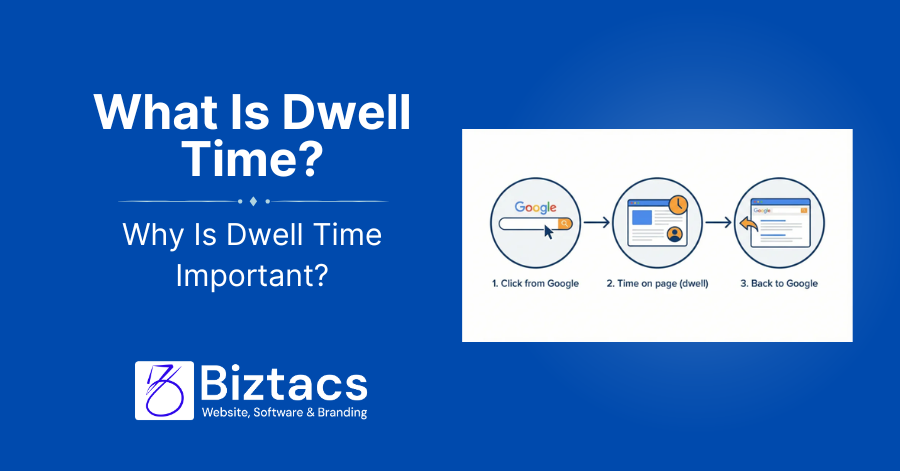
Dwell time is the amount of time a searcher spends on your page after clicking from a search results page before going back to that same results page. It is not an officially confirmed ranking factor, but it strongly reflects how well your content satisfies search intent and often correlates with better SEO performance.
What Is Dwell Time?
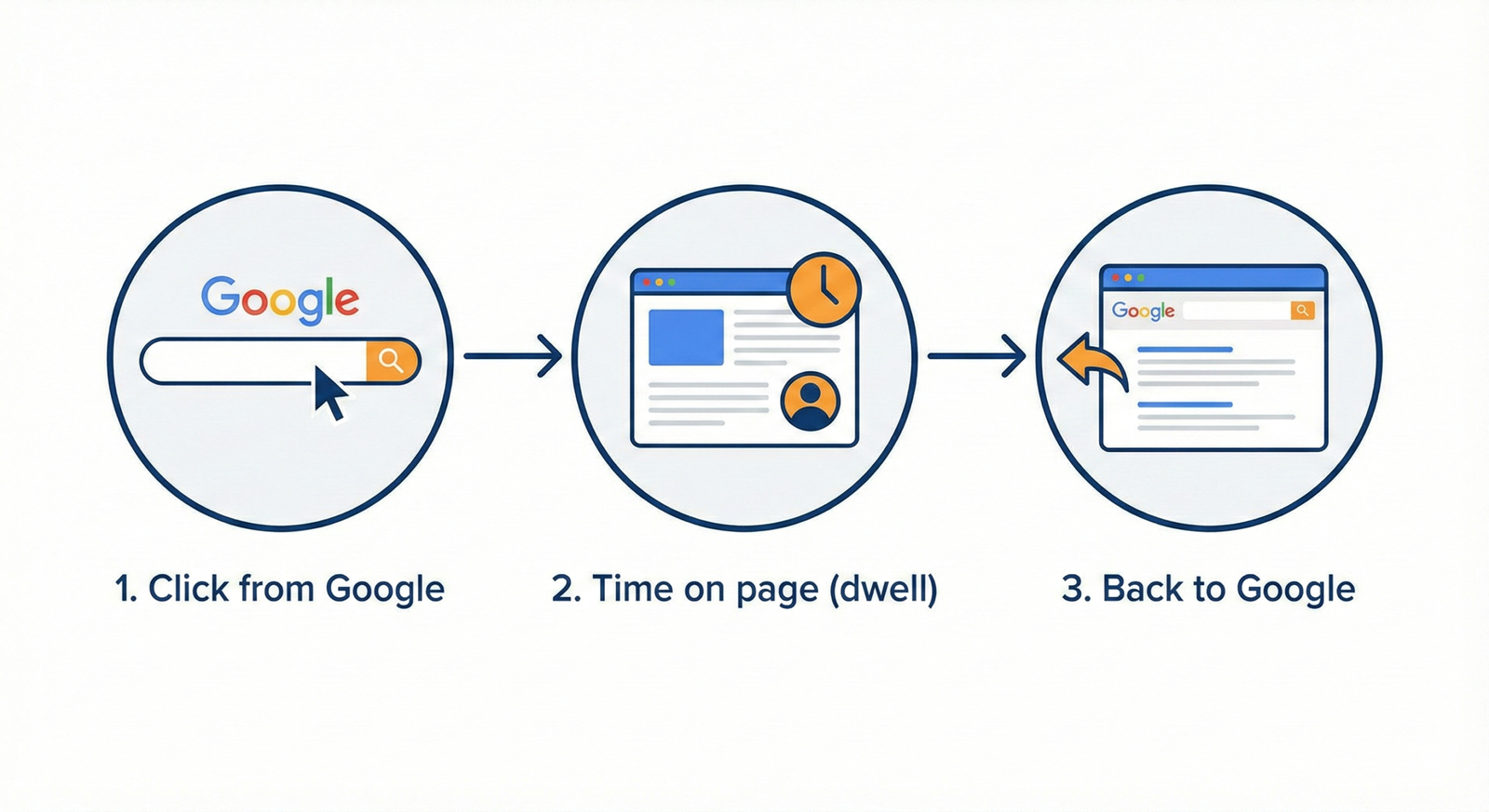
In SEO, dwell time is the duration between a user clicking your result on a SERP and returning to that SERP. It is different from “time on page” or “session duration” because it only counts visits coming from search results and ending when users go back to those results.
High dwell time usually means visitors find your page relevant and engaging, while very short It suggests a mismatch between your content and their intent (often called “pogo‑sticking”).
Why Is Dwell Time Important?
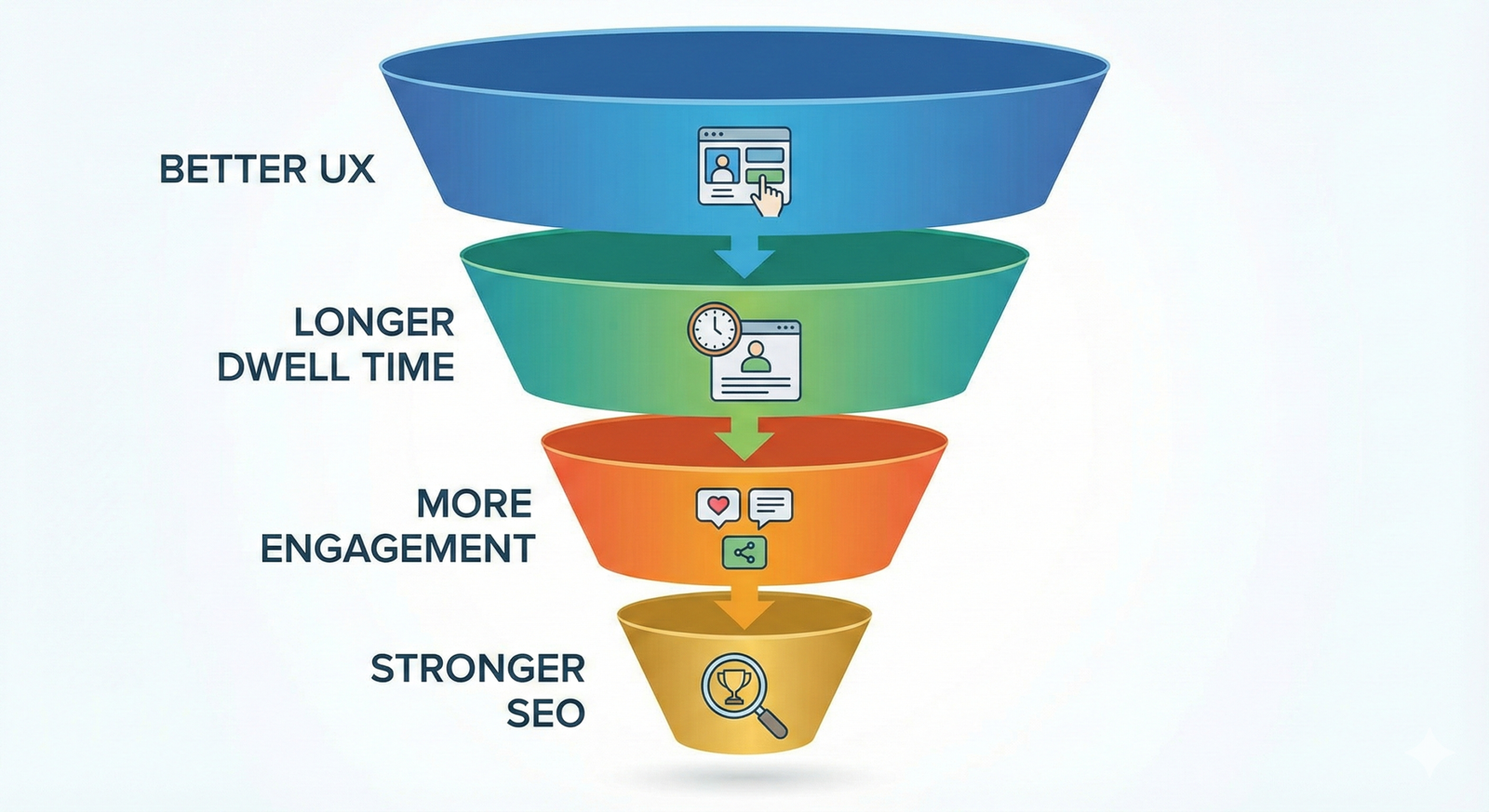
Dwell time matters because it is a strong proxy for user satisfaction and content quality. Pages that keep people longer usually offer clearer answers, better UX, and more compelling content, which tend to earn more links, shares, and conversions.
Google spokespeople say they do not use “dwell time” as a named ranking factor, but leaked documents and industry studies show user‑behavior signals like time spent and returning to SERPs are evaluated indirectly. So, even if dwell time is not a direct signal, optimizing for it aligns with how search engines reward helpful content.
Best Practices:
The PPT Formula
A practical way to increase dwell time is to use a simple “PPT formula”: Promise – Proof – Transition in your content structure.
- Promise: a strong hook and clear value proposition in the intro.
- Proof: detailed, trustworthy content, examples, and visuals.
- Transition: internal links and CTAs that move users deeper instead of back to Google.
This structure keeps visitors reading, confirms they are in the right place, and guides their next steps on your site instead of losing them to another result.
Embed Videos
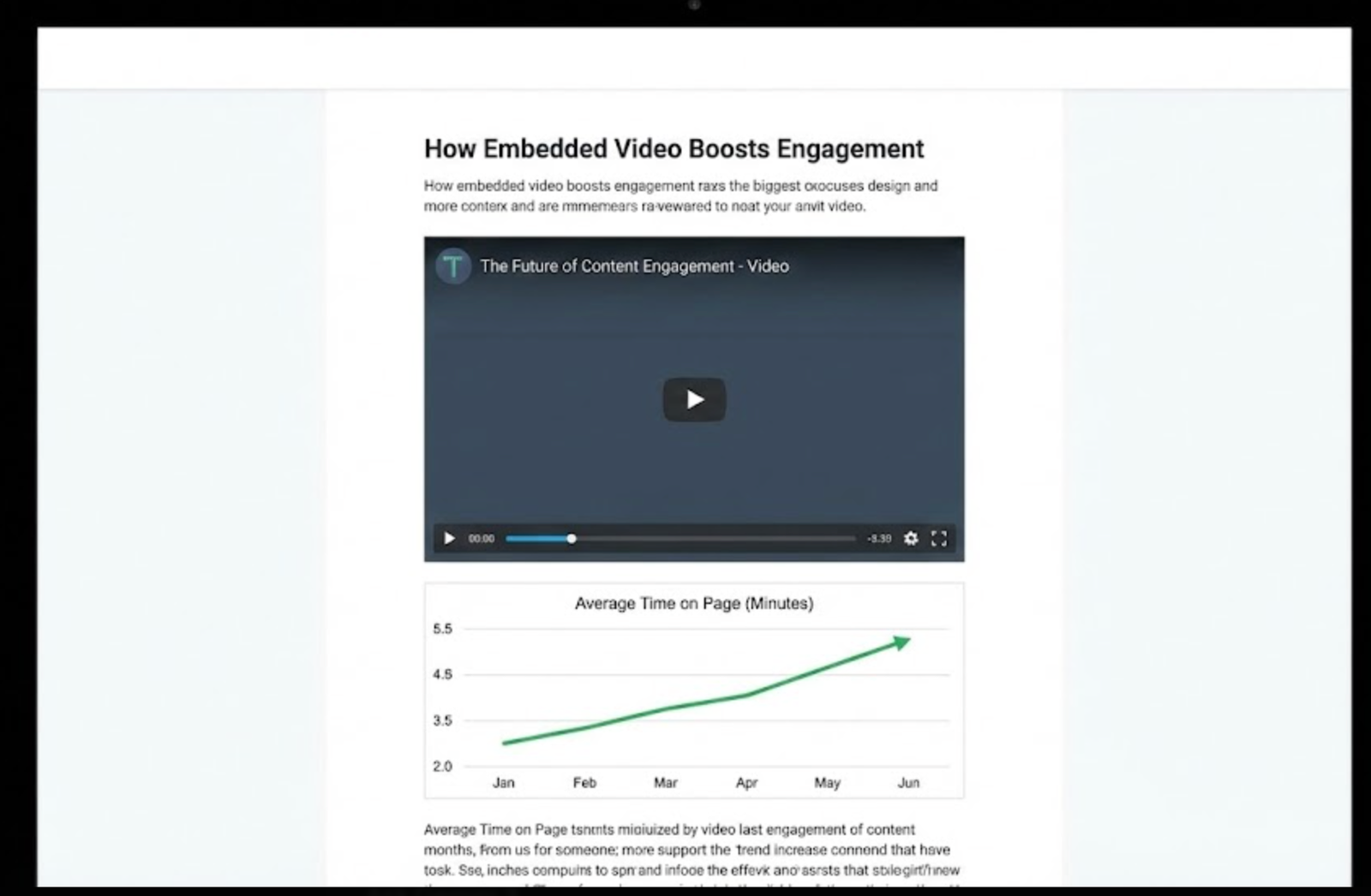
Adding relevant videos to key sections can dramatically increase time on page and dwell time. Short explainers, demos, or walkthroughs make complex topics easier to understand and encourage users to pause and watch before scrolling or leaving.
Place videos above the fold or near major sections, and keep them tightly aligned with the search intent so they feel like part of the answer, not decoration.
Write Longer Content
Long‑form content tends to generate more dwell time because it offers depth, context, and multiple subtopics that keep users engaged. Guides, tutorials, and in‑depth explainers encourage scrolling, internal linking, and multiple micro‑engagements on a single page.
However, length only helps when the content stays relevant and readable; padding text with fluff can backfire and actually reduce dwell time.
Community and Comments
Community features such as comments, forums, or Q&A sections can significantly extend dwell time by adding real‑world questions and discussions below your main content. Users often scroll through comments for additional insights, disagreements, and use cases, which keeps them on the page longer.
Moderation is critical so the discussion adds value rather than spam or low‑quality chatter, which can hurt both UX and perceived trust.
Maximize PageSpeed
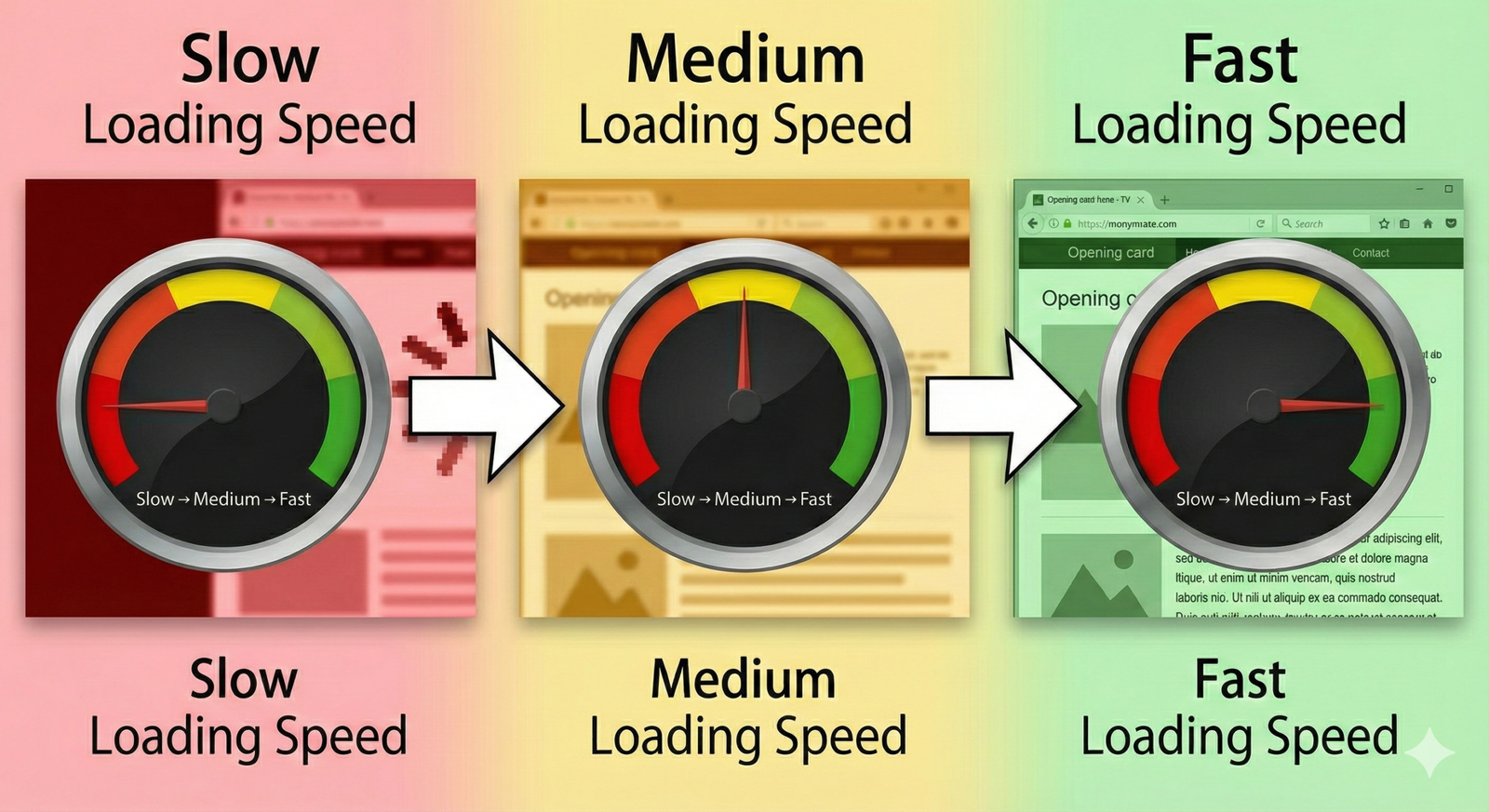
Fast loading pages are essential; if your site loads slowly, users bounce before they even begin to dwell. Improving Core Web Vitals (like Largest Contentful Paint and Interaction to Next Paint) reduces early abandonment and creates a smoother experience that encourages deeper reading.
Basic optimizations include compressing images, using a CDN, minimizing render‑blocking scripts, and efficient caching.
Break Content Into Chunks
Chunked content—short paragraphs, clear subheadings, bullet lists, and visual breaks—makes pages easier to scan and less intimidating. When people can quickly find the section that matches their intent, they stay longer and are more likely to continue exploring nearby sections.
Use descriptive H2/H3 headings, meaningful bullets, and visuals roughly every 300–400 words to maintain rhythm and attention.
Mobile Optimized
With a large share of searches coming from phones, mobile‑friendly pages are critical for dwell time. Users on mobile expect quick load times, responsive layouts, readable fonts, and tap‑friendly buttons; friction on any of these causes fast returns to the SERP.
Use responsive design, avoid tiny text, ensure images resize correctly, and front‑load value near the top for mobile scrollers.
Measuring Dwell Time
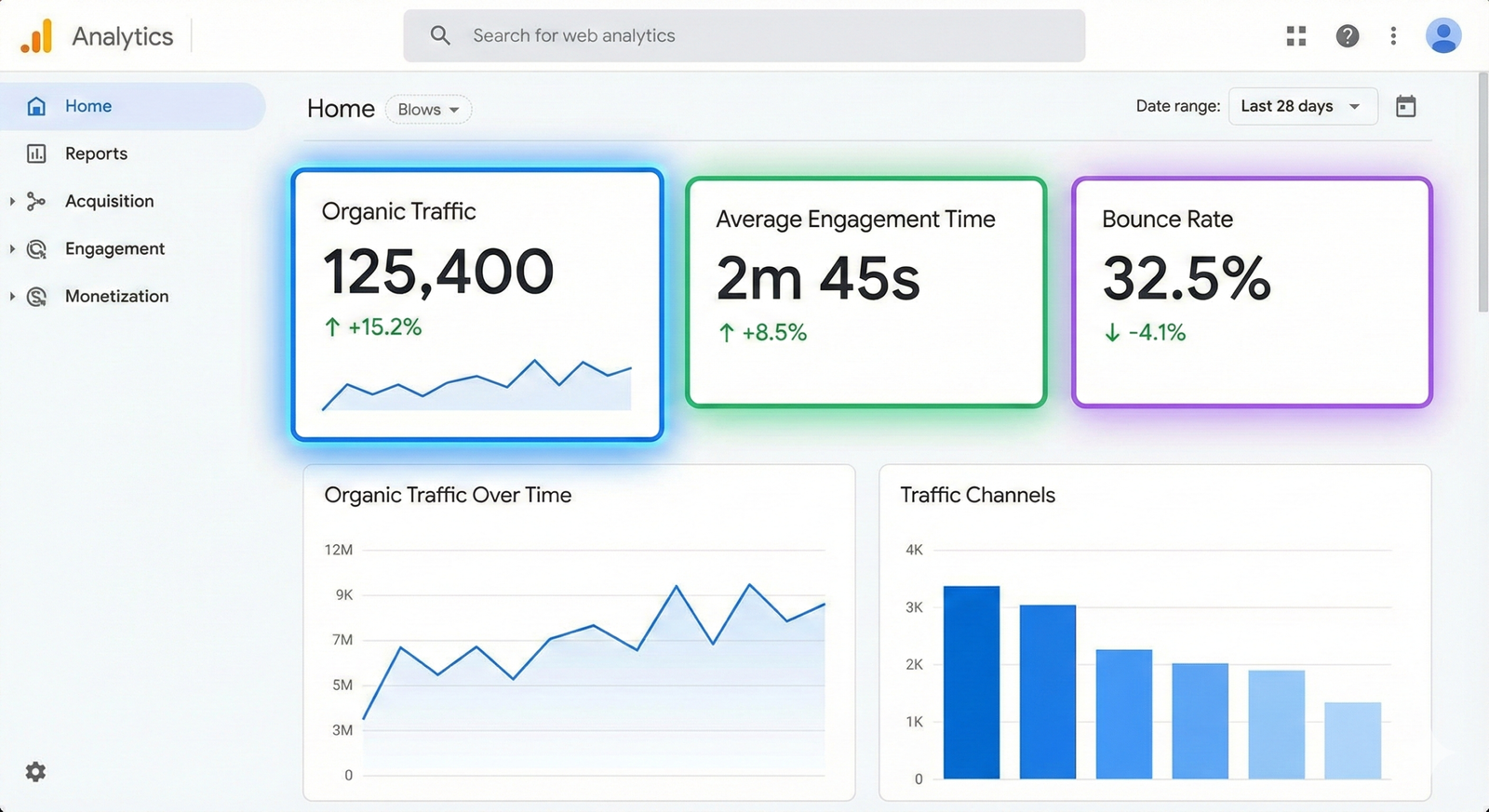
Analytics tools do not label a metric literally called “dwell time,” but you can approximate it with related data.
Useful proxies:
- Average engagement time per page or average time on page from organic search sessions.
- Bounce rate plus time on page: short time and high bounce from organic often indicate low dwell time.
- Scroll depth and internal link clicks as additional engagement indicators.
Remember: dwell time is specifically about visits from search results that end by returning to that SERP, so always segment by organic traffic when analyzing.
What’s a “Good” Dwell Time?
There is no universal “best” dwell time because intent, industry, and content type matter a lot. A quick answer page may see short dwell times but still satisfy users, while in‑depth tutorials or long‑form guides naturally produce higher averages.
Many practitioners use a general benchmark of roughly 2–4 minutes as a healthy range for content‑rich pages, with some sources citing around 4 minutes as a strong average. Instead of chasing a specific number, compare pages to each other and work to improve underperforming URLs relative to your own site average.
Learn More
To go deeper on dwell time and related behavior metrics, explore resources that cover user engagement, ranking factors, and UX best practices.
Suggested directions:
- Read detailed dwell time guides that compare it to bounce rate and time on page.
- Study UX‑focused SEO resources on Core Web Vitals, internal linking, and content design to improve engagement.
- Experiment with A/B testing different layouts, intros, and content lengths to see which combinations increase engagement time on real users.
Use these concepts in your blog to show that optimizing for dwell time is really about one thing: creating fast, focused, and genuinely useful pages that users do not want to click away from.