Organic CTR is the percentage of people who see your page in organic search results and actually click on it, and it is one of the simplest levers you can pull to grow SEO traffic without writing a single new article. When you improve organic CTR, you squeeze more visits, leads, and sales out of the rankings you already have.
What is Organic CTR?
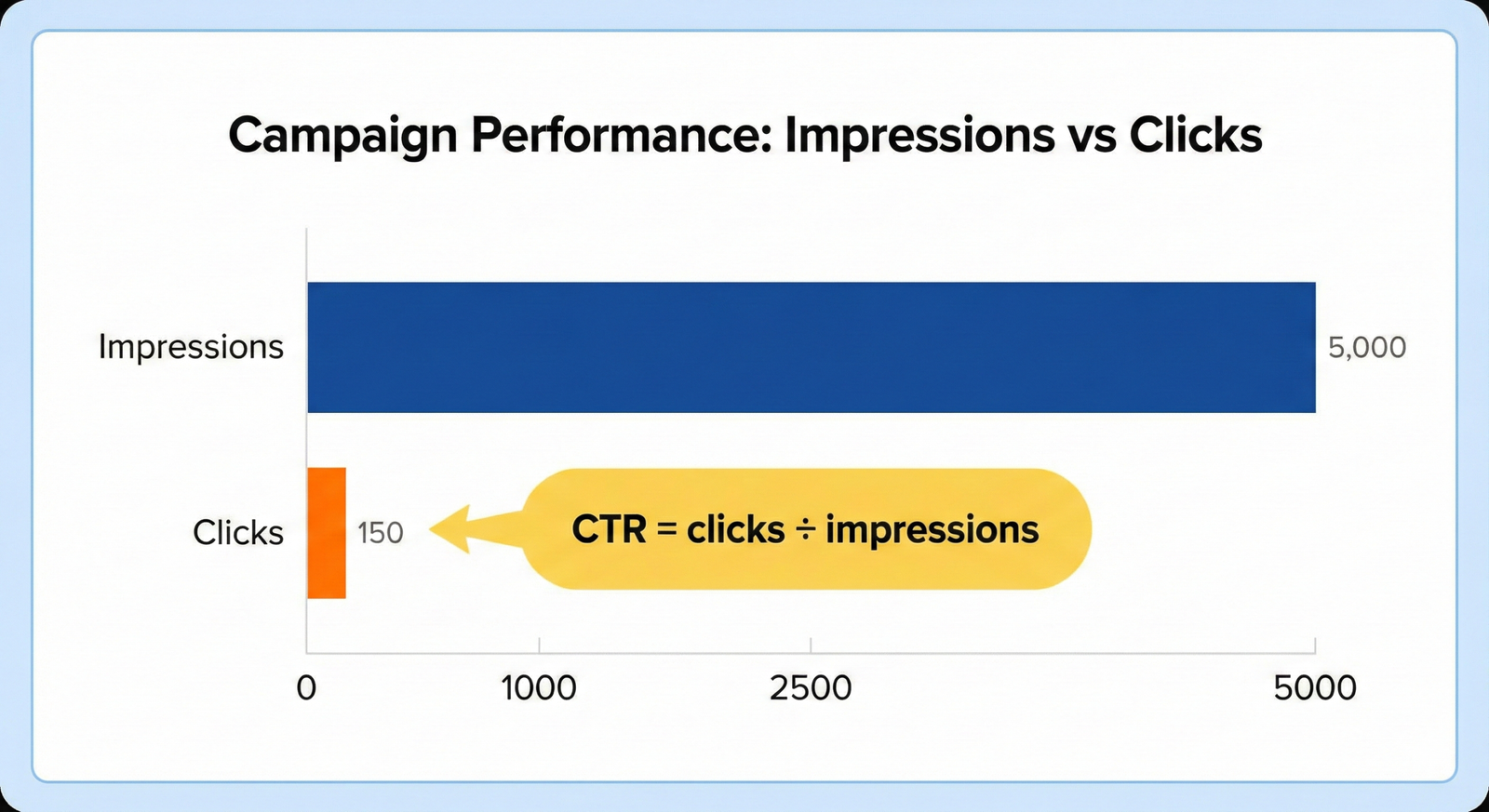
Organic CTR measures how many searchers click your unpaid (non‑ad) result after seeing it on a search engine results page (SERP). It is calculated as
CTR = (Clicks / Impressions) × 100
- Example: If a blog post gets 1,000 impressions and 80 clicks, its organic CTR is 8%.
- A typical “good” organic CTR in 2025 ranges from 2–5% overall, while top‑three rankings often see 20–30%+.
Why Organic CTR Matters
Organic CTR tells search engines how appealing and relevant your result looks for a given query. A consistently higher CTR than competing results can send a positive engagement signal and correlate with better rankings over time.
- Higher CTR means more organic traffic without improving rankings or publishing new content.
- Strong titles and descriptions that boost CTR also improve user experience, because searchers better understand what they will get after clicking.
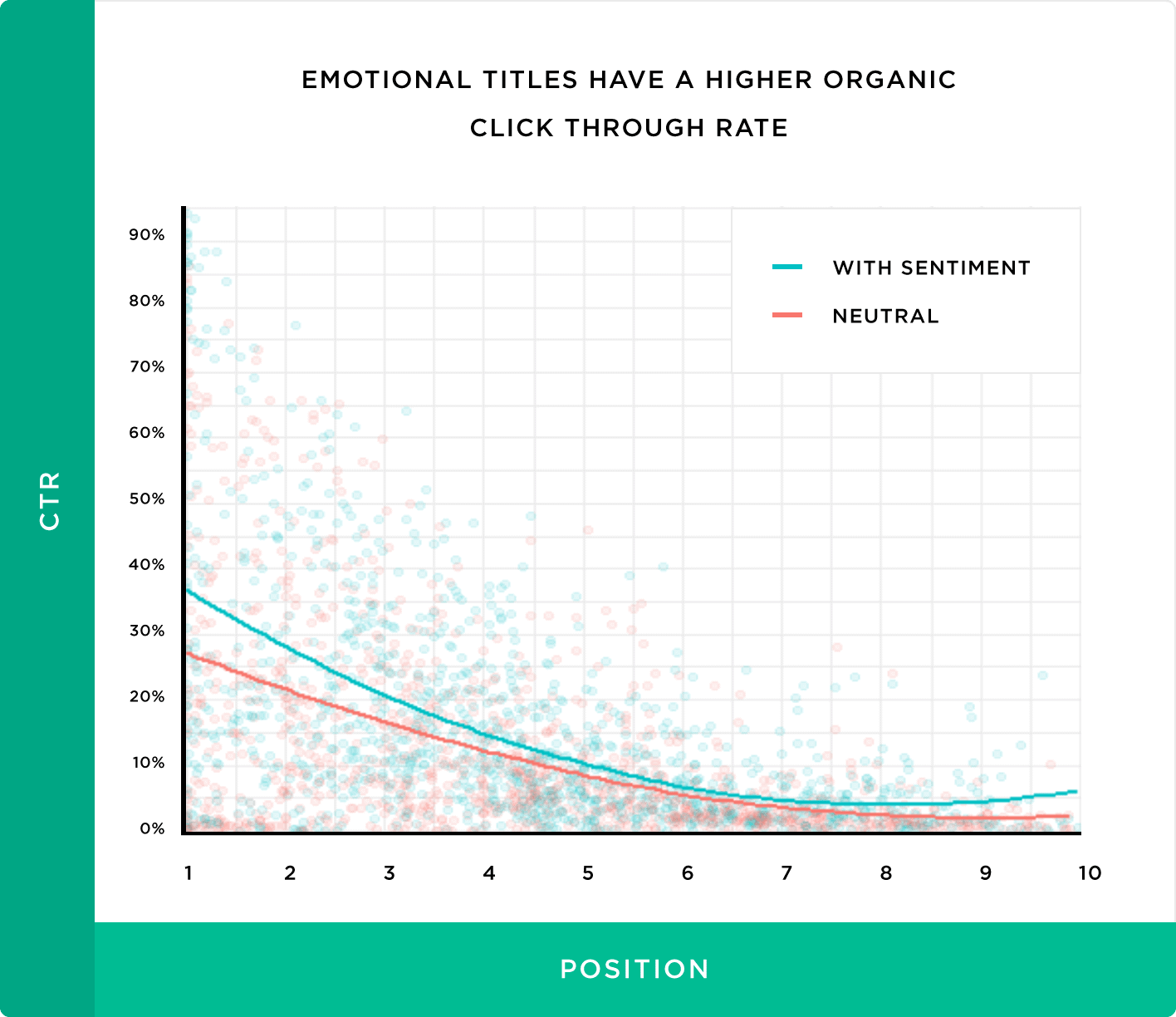
Table of Contents
- What Is Organic Click-Through-Rate?
- Why Is Organic CTR Important?
- Best Practices to Boost Organic CTR
- Advanced Tactics: Rich Results, Sitelinks, and Brand
- Tracking, Measuring, and “Learn More” Actions
Best Practices:
On‑Page CTR Boosters
These tactics directly influence how attractive your result looks on the SERP.
Use Brackets in Your Title Tag
Brackets or parentheses help your titles stand out and set expectations, increasing scannability and often CTR. They are perfect for adding “extras” like formats or bonuses without cluttering the main keyword phrase.
- Examples:
- “Organic CTR Guide [2025 Update]”
- “Improve Organic CTR (Step‑by‑Step Checklist)”
- Reserve brackets for genuinely useful context such as [Case Study], [Free Template], or [Checklist].
Include Numbers in Your Title
Titles with numbers tend to get more clicks because they feel specific, concrete, and easy to skim. Numbers also set expectations around depth (e.g., 7 tips vs 27 strategies).
- Examples:
- “11 Ways to Increase Organic CTR in 2025”
- “3 Simple Tweaks to Double Your Organic CTR”
- Use numerals, not spelled‑out words, to save space in the limited title width.
Short, Enticing URLs
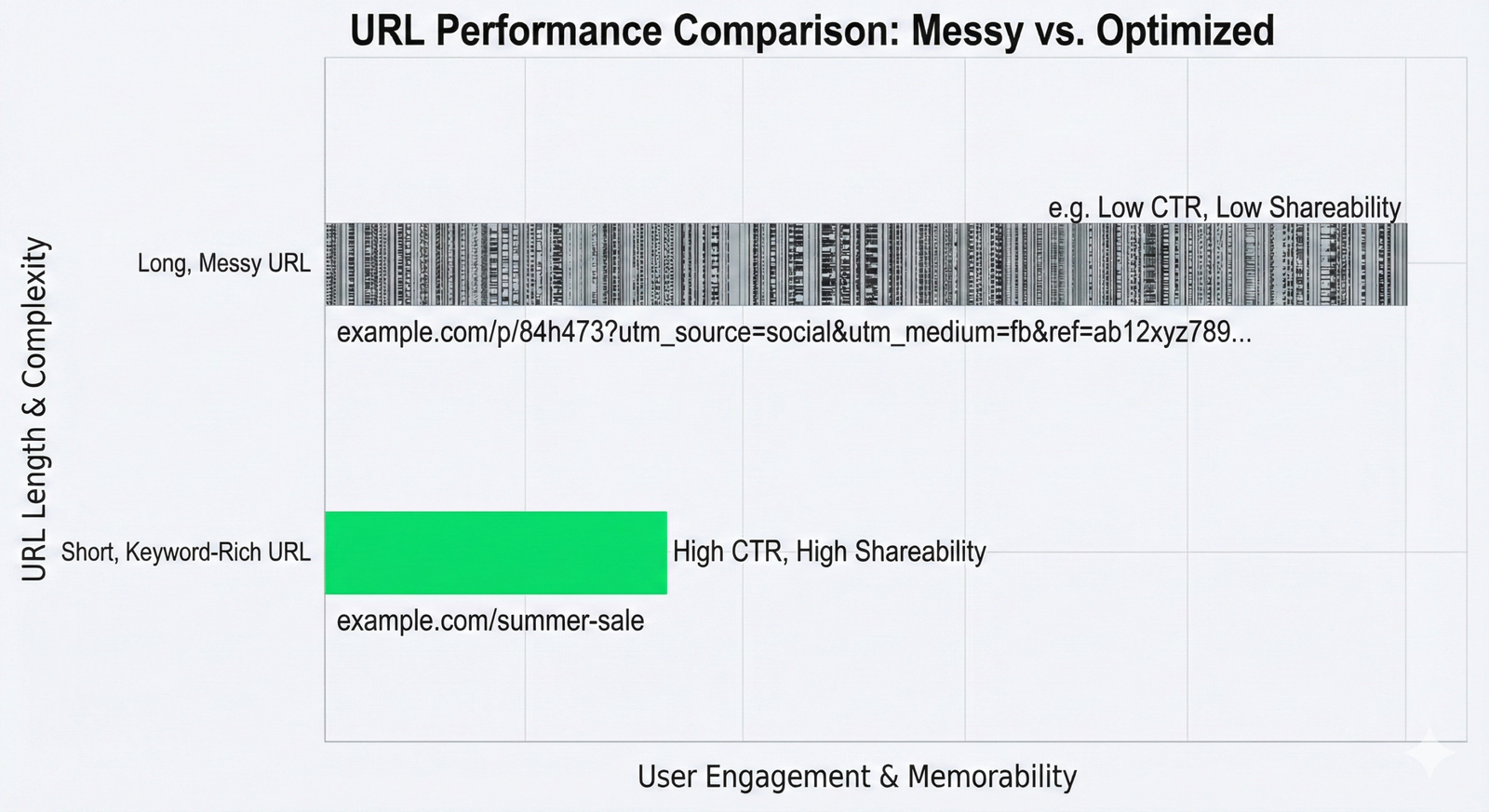
Clean, descriptive URLs increase user trust and can attract more clicks than long, parameter‑heavy links. Google often shows just the final part of the URL (slug), so this is prime persuasive real estate.
- Keep slugs short and readable, using primary keywords (e.g., “/organic-ctr-guide”).
- Avoid dates in URLs so you can update content over time without changing the link.
Optimize Your Meta Description
Meta descriptions do not directly affect rankings, but they function as ad copy for your organic result and can significantly boost CTR. In 2025, the sweet spot is usually around 140–160 characters, with clear benefits and a call‑to‑action.
- Include the main keyword and closely related terms so Google can bold them in the SERP.
- Focus on clarity + benefit + action, for example: “Learn how to increase your organic CTR with 11 proven SEO tweaks you can apply in under an hour.”
Put the Current Year in Titles and Descriptions
Adding the year (“2025”) can strongly signal freshness and relevance, which often improves organic CTR for queries where timeliness matters. Users frequently add the year to searches (e.g., “organic CTR benchmarks 2025”), so matching that intent is powerful.
- Use the year in both title and description for time‑sensitive topics such as SEO best practices or benchmarks.
- Update the year during major refreshes and ensure the content is genuinely up to date to avoid disappointment.
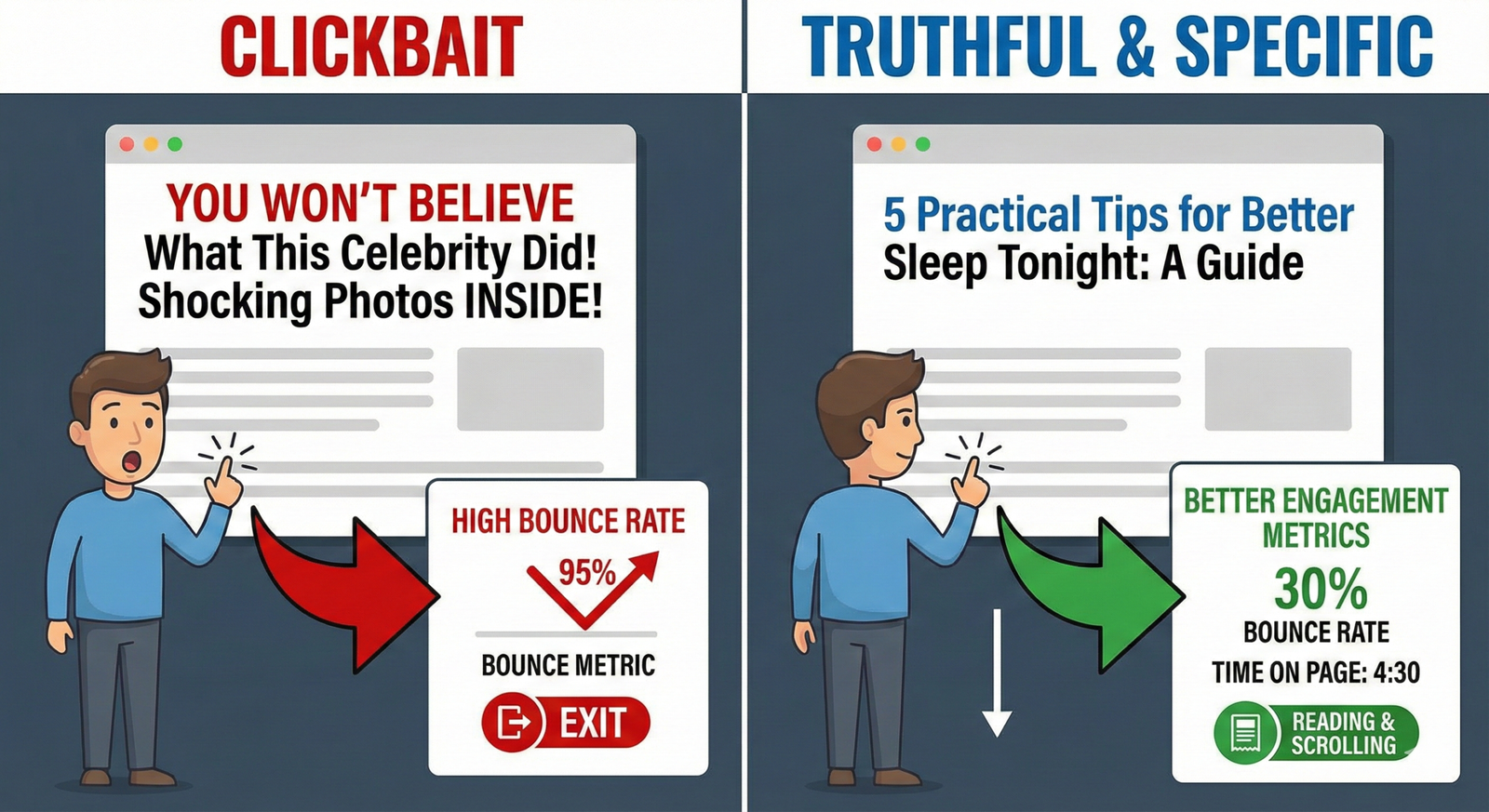
Avoid Clickbait
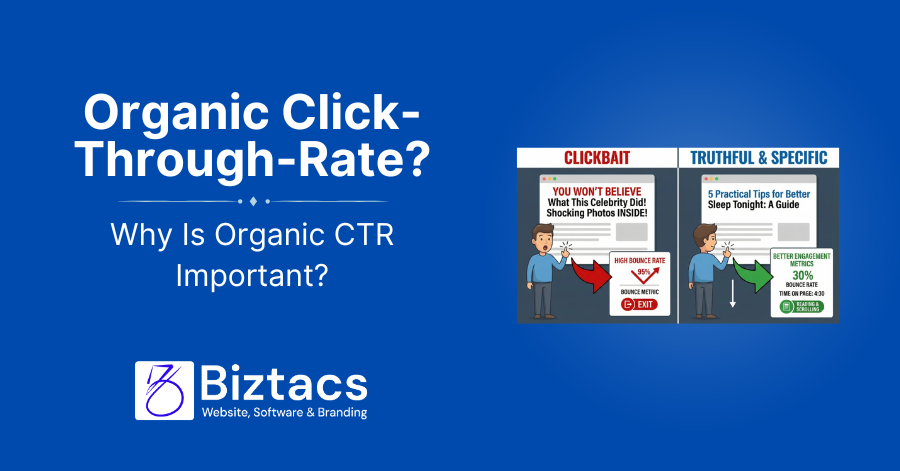
Clickbait titles may spike CTR initially but hurt engagement signals like time on page and bounce rate when content does not match the promise. Over time, this misalignment can erode trust with both users and search engines.
- Ensure your title and description accurately reflect what the page delivers.
- Replace vague hype (“You Won’t Believe…”) with specific outcomes (“How to Increase Organic CTR by 30% in 30 Days”).
Use Some Emotion (Responsibly)
Emotionally resonant words make titles more compelling, helping your result stand out in crowded SERPs. The key is authentic emotion that still sounds professional and matches the search intent.
- Use light power words such as “proven”, “essential”, “step‑by‑step”, “simple”, “advanced”, or “complete”.
- Avoid manipulative or over‑dramatic language that cheapens your brand or mismatches informational queries.
Get Rich Snippets and Sitelinks
Rich snippets and sitelinks make your search listing larger and more informative, often driving significantly higher CTR than plain blue links. Studies report rich results improving CTR anywhere from about 5% up to 30%+ depending on snippet type and query.
- Implement schema markup such as FAQ, HowTo, Product, Review, and Organization to qualify for rich results.
- Well‑structured internal links and clear headings on your site help search engines generate sitelinks, giving you more clickable real estate under a single result.
Use a Headline Analyzer
Headline analyzer tools score titles on clarity, emotional impact, and structure, helping you systematically refine for higher CTR. Many SEO plugins and dedicated tools show length, sentiment, and word balance so you can test variations before publishing.
- Create 3–5 title variations for important posts and run them through a headline analyzer to choose the strongest option.
- Watch for truncation: keep most titles under about 55–60 characters so they display cleanly on desktop and mobile.
Track and Measure CTR
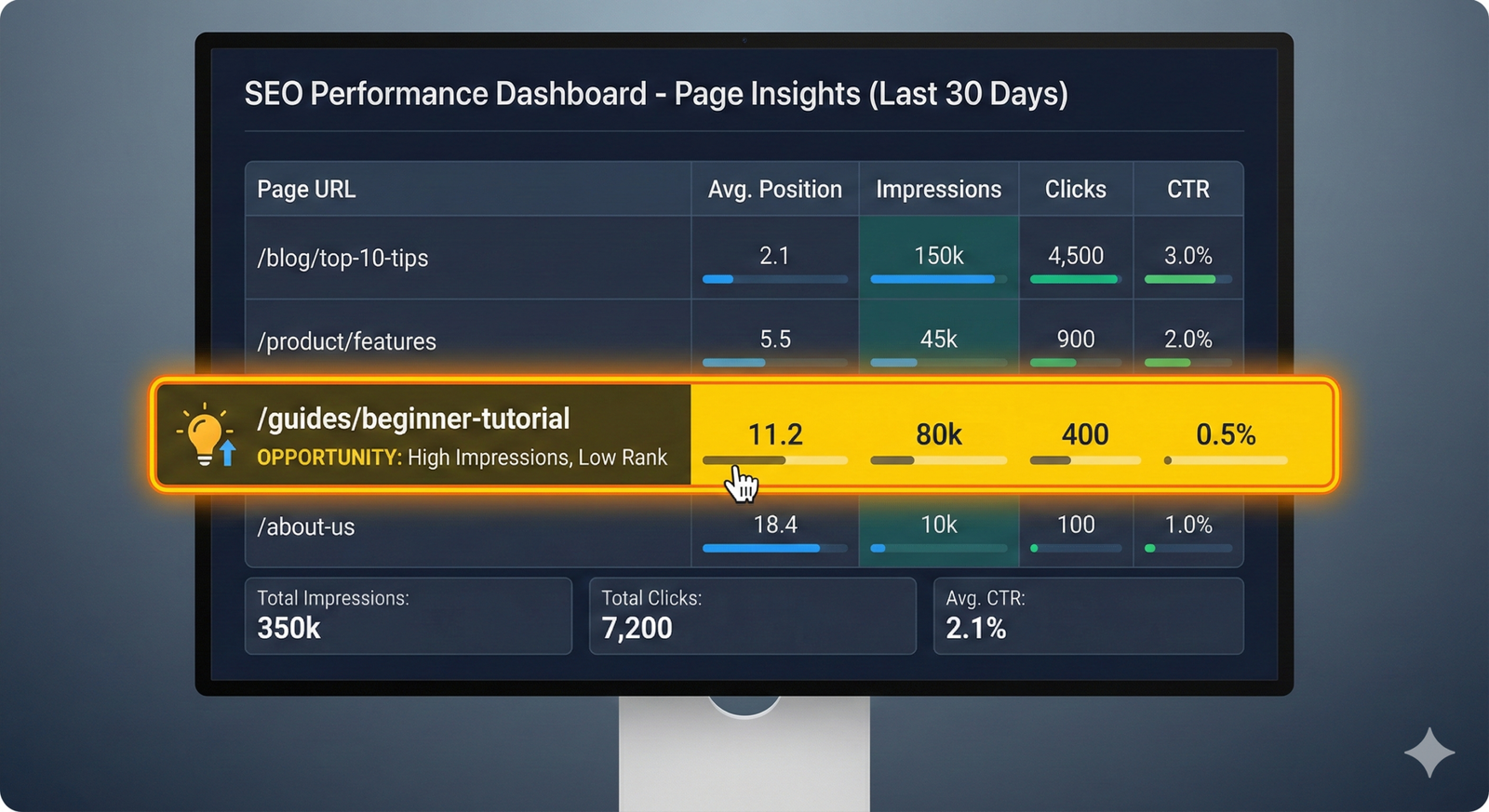
Consistent tracking separates guesswork from data‑driven CTR optimization. Google Search Console (GSC) is the primary free tool for monitoring organic CTR by query and page.
- In GSC, go to “Search results”, enable “Average CTR”, and filter by page to identify URLs with high impressions but below‑average CTR.
- Prioritize optimization for pages where small CTR wins would translate into big traffic gains due to high impressions.
Boost Brand Awareness With Facebook Ads
Stronger brand awareness increases the likelihood that users click your organic result when they recognize your name in the SERP. Paid campaigns such as Facebook or Instagram ads can expose your brand to a wider audience, indirectly lifting organic CTR over time.
- Use Facebook ads to promote your best guides and lead magnets so people remember your brand and later choose your result in search.
- Align messaging across paid and organic channels so your SERP titles feel consistent with the brand story people have seen in ads.
Learn More and Keep Iterating
Organic CTR is not a one‑time optimization; it is an ongoing process of testing titles, descriptions, schema, and content formats. By reviewing CTR data regularly and iterating on your top URLs, you can unlock substantial organic growth without chasing more keywords or links.
To keep improving:
- Revisit your top 10–20 pages every quarter to tweak titles, descriptions, and schema based on fresh CTR data.
- Explore more in‑depth resources on structured data, SERP feature optimization, and user intent research to refine your approach as search evolves.